How to Tell If You Have a Water Leak at Home
Most people discover a water leak at home completely by accident. You go to grab something from a cupboard, or you walk into a room you have not used for a while, and suddenly something does not look quite right. Maybe the wall looks a bit blotchy, or the floor feels slightly off. You stare at it, wondering if it has always been that way. That is usually how these things start.
A water leak is rarely dramatic at the beginning, especially the sneaky ones. The hidden water leak that sits quietly behind a wall or the tiny home plumbing leak under the sink often gives small clues long before the real damage kicks in.
How to Fix Peeling Paint on Bathroom Walls and Ceilings

Signs of a Hidden Water Leak in Your Home
When I speak to people dealing with leaks, they often say something like, “I thought it was nothing at first.” That is very common, because the signs are often odd little things:
A patch of wall that seems a slightly different colour every time you walk past it
A faint, damp smell you cannot quite find the source of
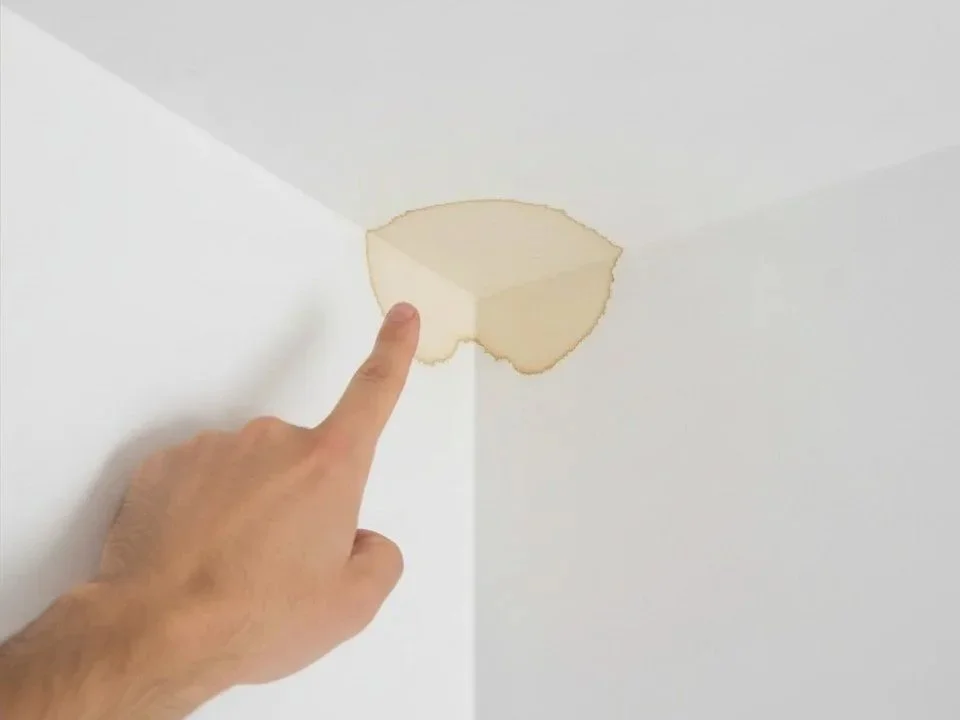
A corner of the ceiling that looks a bit tired, even though the rest looks fine
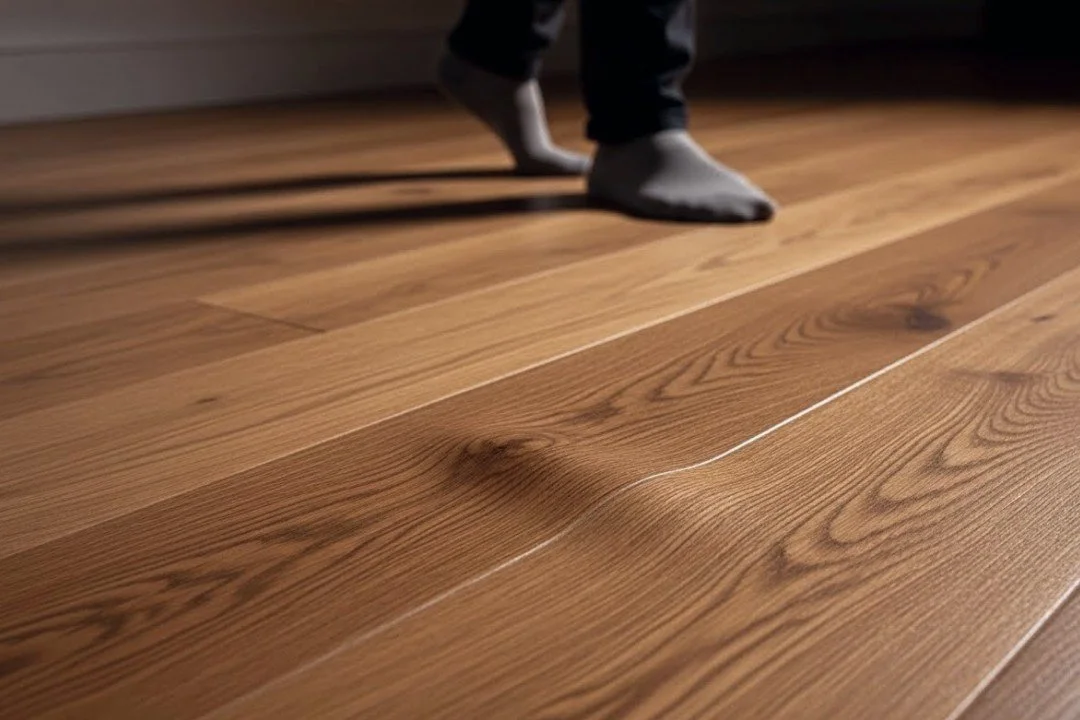
Wooden floors that suddenly feel a tiny bit raised or uneven
A water bill that jumps up for no clear reason
None of these scream “leak!”, but together they can point to moisture creeping somewhere it should not be.
How to Check Plumbing Fixtures and Connections
If something feels wrong, the first place I normally look is anywhere water is meant to flow. Taps, sinks, toilets, pipes under cupboards — all the usual suspects.
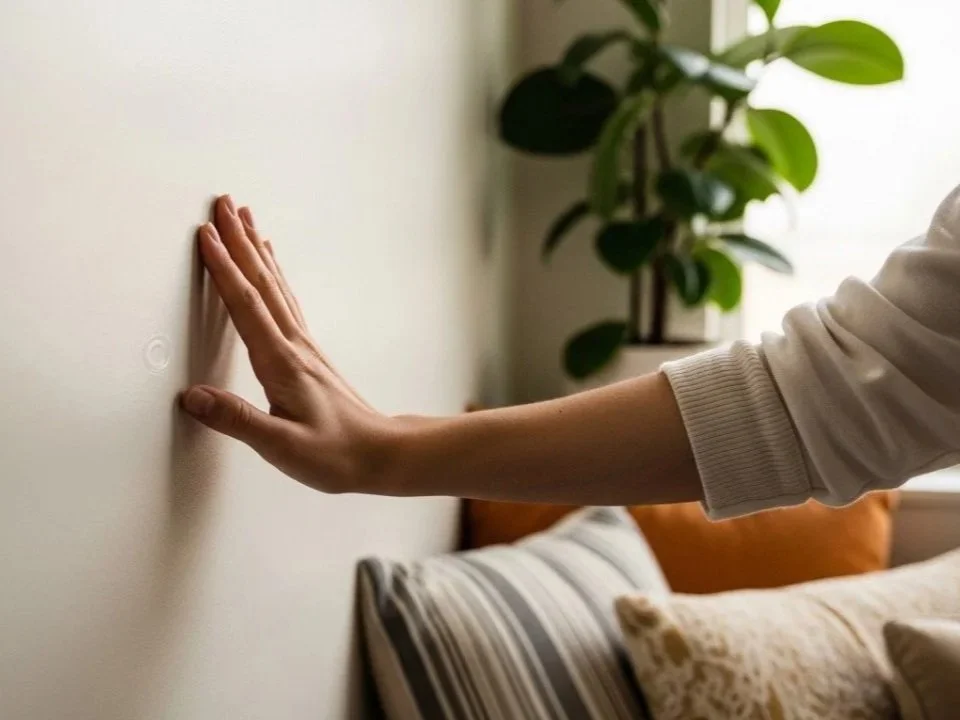
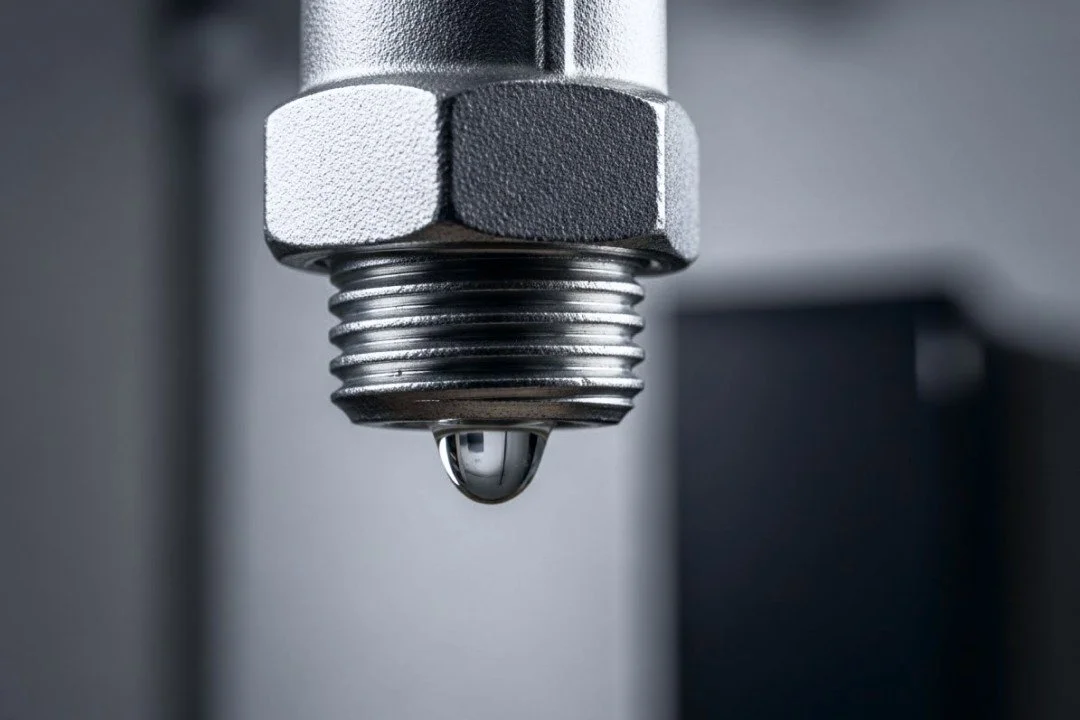
You do not need tools for this. Just open cupboards and actually look. Feel around the pipes. I know it sounds a bit odd to tell someone to run their hand along plumbing, but honestly, you will notice dampness far quicker by touch than by eyesight. Even a slow drip leaves a trace.
And do not forget places like behind the washing machine or around the boiler. Those areas are easy to ignore.
Using Your Water Meter to Detect a Leak
If you want a straight yes-or-no answer, your water meter is surprisingly helpful.
Here is what I normally do:
Make sure no water is running anywhere.
Note the meter reading (take a photo if that is easier).
Leave everything off for an hour.
Check it again.
If the number has moved even slightly, water is going somewhere — and unless you have a secret underground fountain, it means you have a leak somewhere in the system.
Smells, Sounds and Other Warning Signals
People often underestimate smells and sounds, but they are incredibly telling.
A faint smell of damp, or that “wet plaster” scent, usually means moisture has been sitting somewhere longer than you thought. And sounds are even more revealing. If you hear water running when nobody is washing dishes, showering or flushing, something is wrong. It might be a leak in walls, floors, or somewhere you cannot see.
Warm spots on the floor are also a giveaway — that often points to a leaking hot water pipe.
DIY Methods to Confirm a Possible Leak
There are a couple of easy tests you can try before calling anyone out.
The food colouring test (for toilets): Put a few drops of colouring in the cistern. Wait a bit. If the colour ends up in the bowl without you flushing, the toilet is leaking.
Tissue test: Press a dry tissue around pipe joints. Even tiny drips will show on the tissue faster than you would spot with your eyes.
The quiet test: Turn everything off and just listen. House completely silent? Any faint dripping becomes obvious.
These do not fix anything, but they help you confirm whether you are imagining it or not.
When to Call a Professional for Leak Detection
There is a point where guessing stops being helpful. If you suspect a leak behind a wall or under a floor, or if the signs keep getting stronger, that is usually when a professional is worth calling.
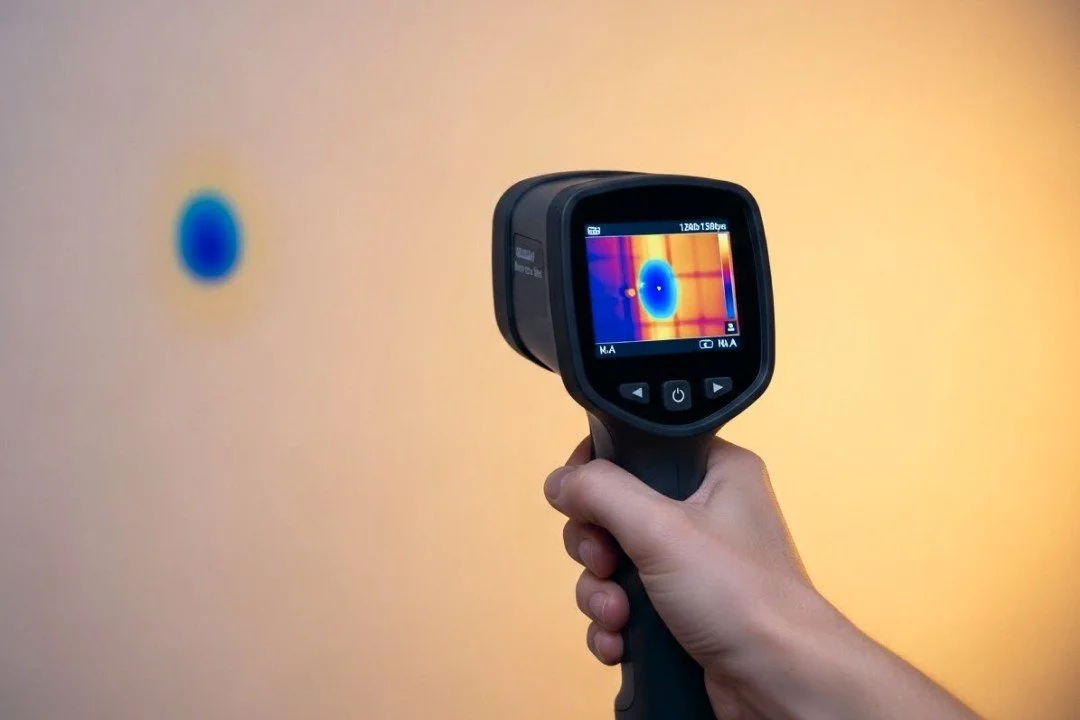
Experts have equipment that can “see” through walls, listen through floors and pinpoint exactly where a leak is hiding — something you simply cannot do with the naked eye.
If there is mould, warped flooring, a constant musty smell, or an unexplained increase in your bill, you will want someone to have a proper look before things get worse.
Get a Leak Detection Expert Near You
If you are reading this because something in your home feels off, it might be worth getting a leak detection specialist to take a look. A quick visit can save you a lot of stress (and money) later on. A professional can tell you exactly what is happening and where the leak is coming from, rather than leaving you guessing.