How to Fix Peeling Paint on Bathroom Walls and Ceilings
Why Paint Peels on Bathroom Walls and Ceilings
If you have noticed bits of paint starting to peel off your bathroom walls or your ceiling looking a bit flaky, do not worry — it happens in loads of homes. Bathrooms have this habit of trapping steam, especially after long showers, and all that humidity slowly eats away at the paint. Sometimes the paint was not right for the room in the first place, or whoever decorated last time skipped a few important steps. It happens more often than people admit.
You might spot tiny bubbles first, or patches that look like they are lifting. Before you know it, you have a whole section of ceiling paint peeling and little chips on the floor. It is usually nothing dramatic, just moisture doing what moisture does. The good thing is that fixing peeling paint in a bathroom is more about patience than skill.
How to Remove Mould from Bathroom Ceiling
How to Clean Glass Stovetop Without Scratching
Removing Water Stains from Ceiling

Tools and Materials You Will Need
Before you start, grab a few basic things. Nothing unusual:
A scraper or a putty knife
Sandpaper (medium and fine)
Filler for little dents or uneven spots
Primer that works well in damp or humid rooms
Waterproof paint made for bathrooms
A couple of brushes and a roller
A dust sheet or an old bed sheet
Masking tape
A sponge and some mild detergent
It is the sort of shopping list you can get sorted in one quick trip.
How to Prepare the Surface Before Painting
Do not rush into painting straight away. Preparation is the difference between the paint lasting a year and lasting a decade.
Start by giving the walls and ceiling a proper clean. A bit of warm water and detergent is fine. You just want rid of the soap residue, the tiny specks of dust, and anything greasy.
Then, let it dry. Completely. This part feels boring, but painting over damp walls is exactly how people end up with peeling again.
Throw down a cloth or something to protect the floor. Bathrooms are small, and one drip somehow finds a way onto something important.
Once it looks clean and dry, you are ready for the more hands-on bit.
Step-by-Step Guide to Fix Peeling Paint
Here is the simple version of what actually works:
Scrape off the loose paint
Do not overthink it. Just take the scraper and remove anything that is flaking or already hanging off. If it comes away easily, it needed to go.Sand it down
Use medium-grit sandpaper first, then fine-grit. You do not need perfection; you just want the surface to feel fairly even. If it feels smooth under your hand, you are on the right track.Fill the rough patches
Any dents or weird little dips can be filled quickly. Once the filler dries, sand again lightly so it blends.Prime the area
A primer is not optional in a bathroom. It is the bit that stops humidity from getting behind the new paint later. A damp-resistant or stain-blocking primer is the safest choice.Repaint the bathroom
Two coats usually do the job. Take your time. Let the first coat dry properly before adding the second. Rushing paint in a bathroom never ends well.
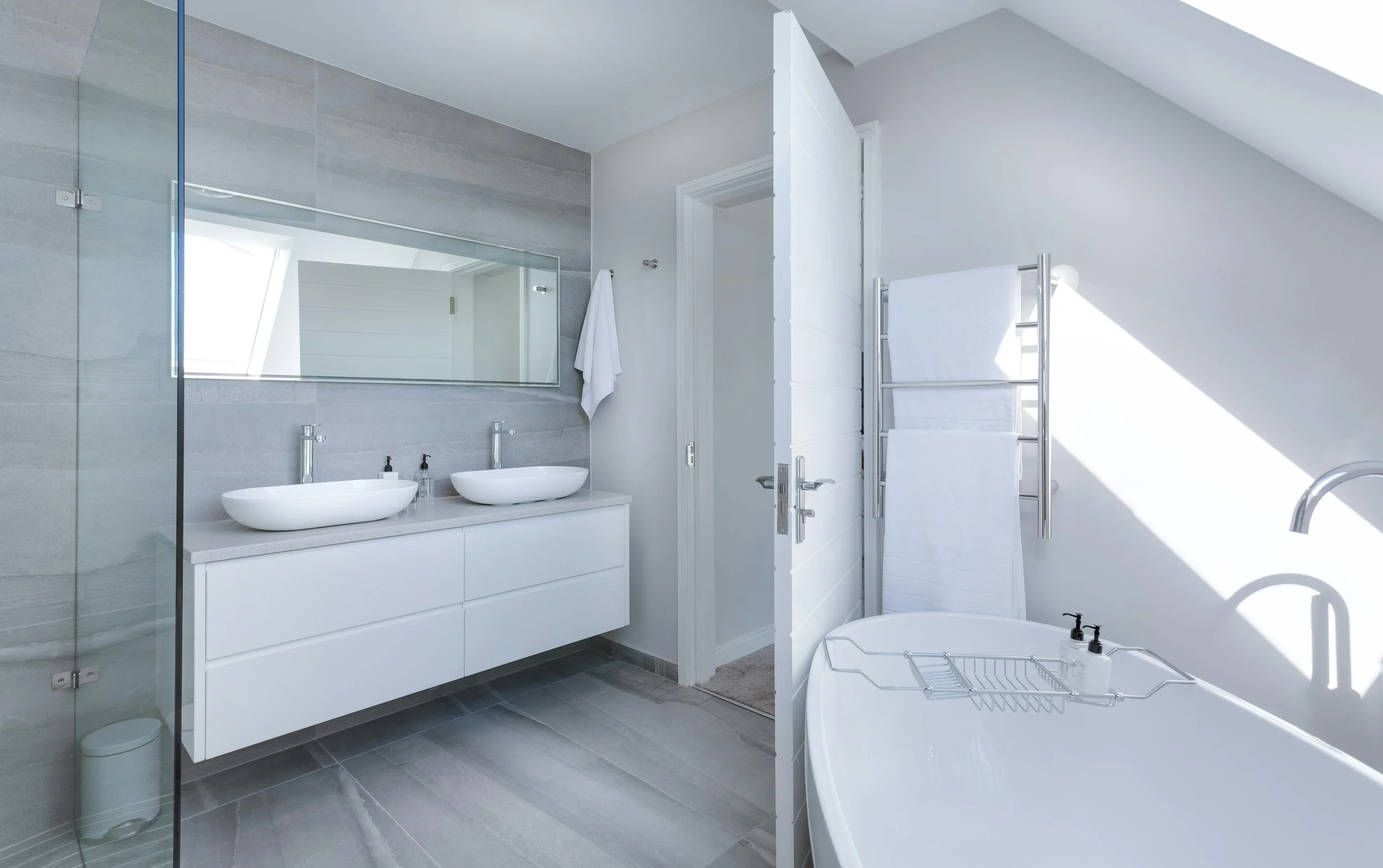
Choosing the Right Paint for Humid Areas
Bathrooms are awkward rooms to paint because they get warm, then cold, then steamy, then dry — all in the same afternoon. So the paint has a lot to deal with.
When your goal is to repaint a bathroom properly and stop peeling, use:
Waterproof or moisture-resistant paint
Something marked specifically for bathrooms
Paint with mould protection (it genuinely helps)
A satin or semi-gloss finish if you want something that wipes clean easily
If you use basic emulsion, you will probably be back here doing the same repair again.
Preventing Future Peeling with Proper Ventilation
Once the fresh paint dries, the room always looks ten times better, but you still need to sort out the original problem — the humidity. Otherwise, all your work will slowly undo itself.
A few simple habits help:
Switch on the extractor fan before you shower and leave it running afterwards
Crack open the window when you can
Leave the bathroom door open a bit after long showers
If your current fan barely clears steam, it might be worth upgrading
Wipe down water that sits on the walls or tiles
It is this day-to-day bathroom maintenance that keeps the fresh paint from peeling again.
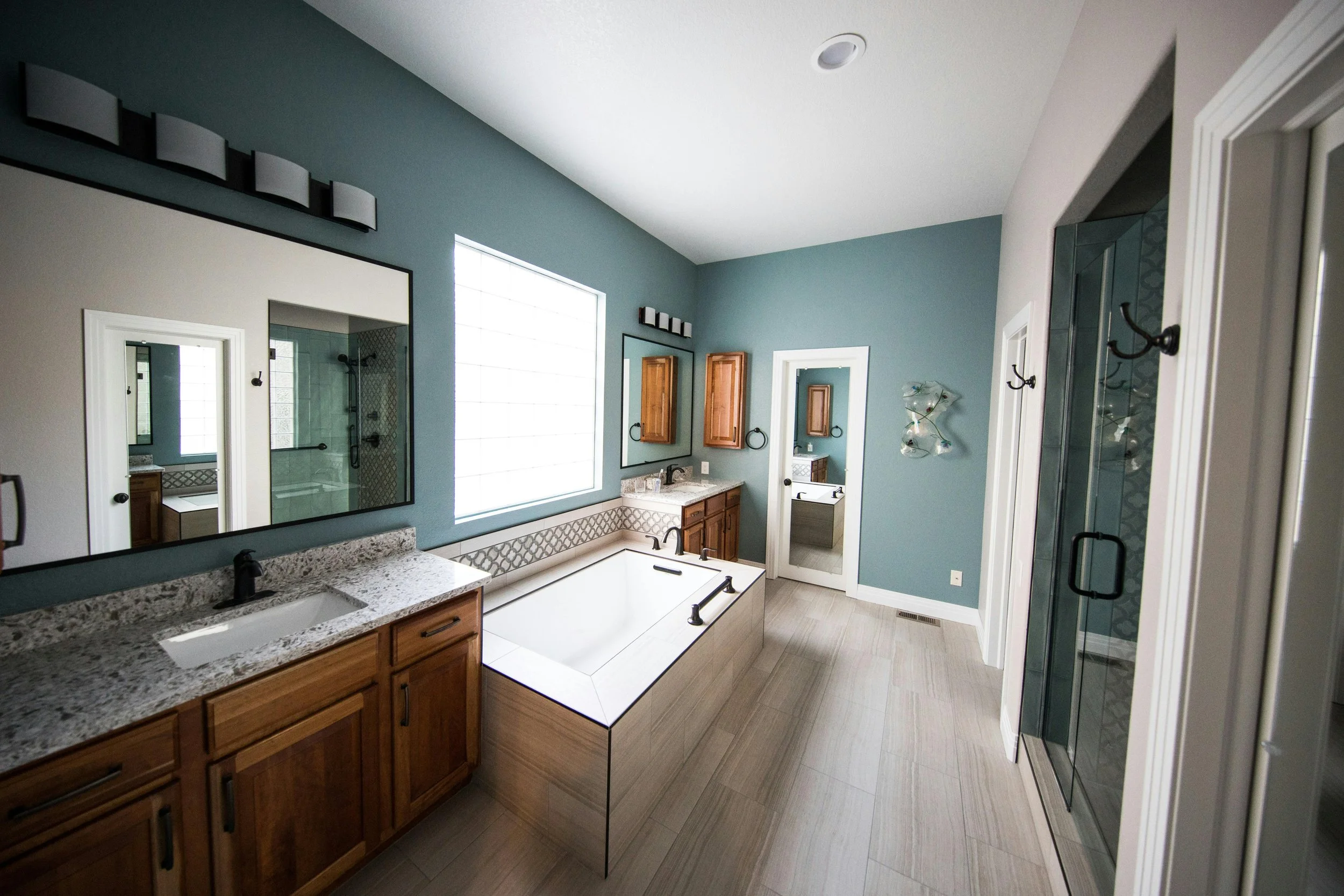
Book a Professional Painter or Decorator on Homerun
If the whole thing feels like more effort than you hoped for, or you want the finish to look properly neat, you can book a painter or decorator through Homerun. A professional will sort out the flaky paint, choose the right products, and get your bathroom looking fresh again without you having to do the messy parts.
Image Credit: pexels.com