Fixing Gaps Between Floor and Skirting Boards
Most homeowners notice gaps between floor and skirting boards at some point. Sometimes they appear after new flooring is fitted, and other times they seem to show up gradually over the years. It often starts as a small line that you barely notice, then suddenly it catches your eye every time you walk into the room.
A visible gap between skirting board and floor does not always mean something is wrong. In many homes it is simply the result of normal movement in the building or the flooring materials. Even so, those little skirting board gaps can make a room look unfinished, and they tend to collect dust quite easily.
The good news is that in most cases the problem is fairly simple to sort out.
Condensation vs Damp: How to Tell the Difference

Gaps Between Floor and Skirting Boards: Why They Appear
There are a few different reasons why gaps between floor and skirting boards appear. Houses move slightly over time, and building materials respond to temperature and humidity. It is a slow process, but eventually small changes start to show.
Wood and laminate flooring are particularly sensitive to moisture levels. When the air becomes more humid, the boards can expand slightly. During colder or drier periods they shrink again. That movement can create a small gap between skirting board and floor.
People often notice gaps after laminate flooring projects as well. Laminate floors are designed to float rather than being fixed directly to the subfloor, so a little movement is expected.
In some situations the issue is not the skirting board itself. The space you see may actually be part of the gaps between floor and wall that were hidden before.
Are Gaps Between Skirting Boards and Floors Normal?
Yes, in many situations they are perfectly normal. Flooring installers usually leave a small space around the edges of the room called a floor expansion gap skirting allowance.
That gap gives the floor room to expand without pressing against the walls. Without it, certain flooring materials could lift or buckle over time.
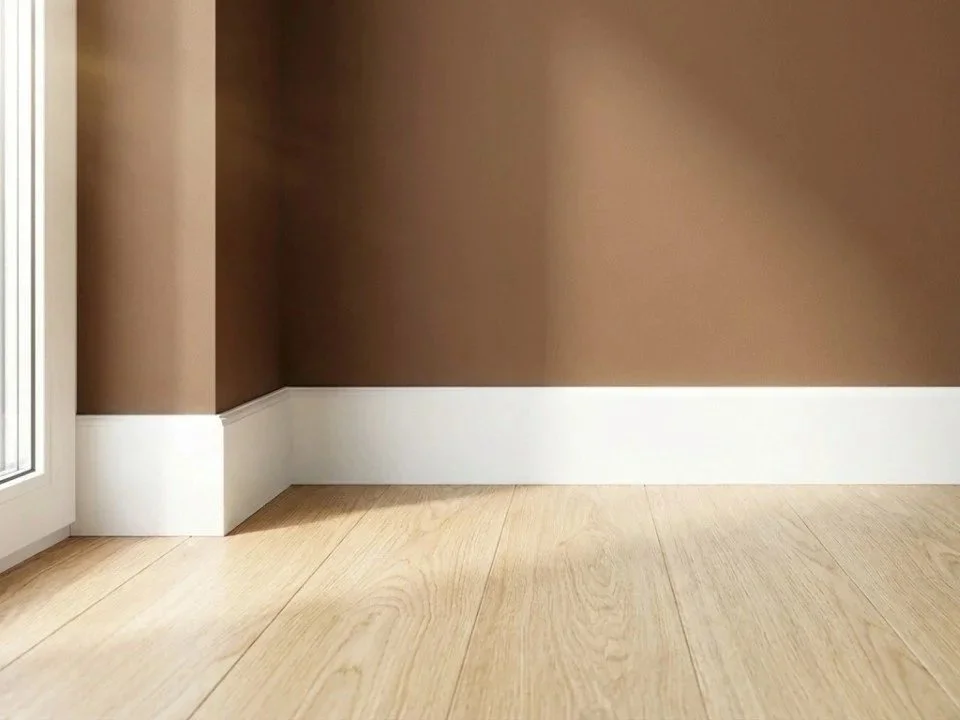
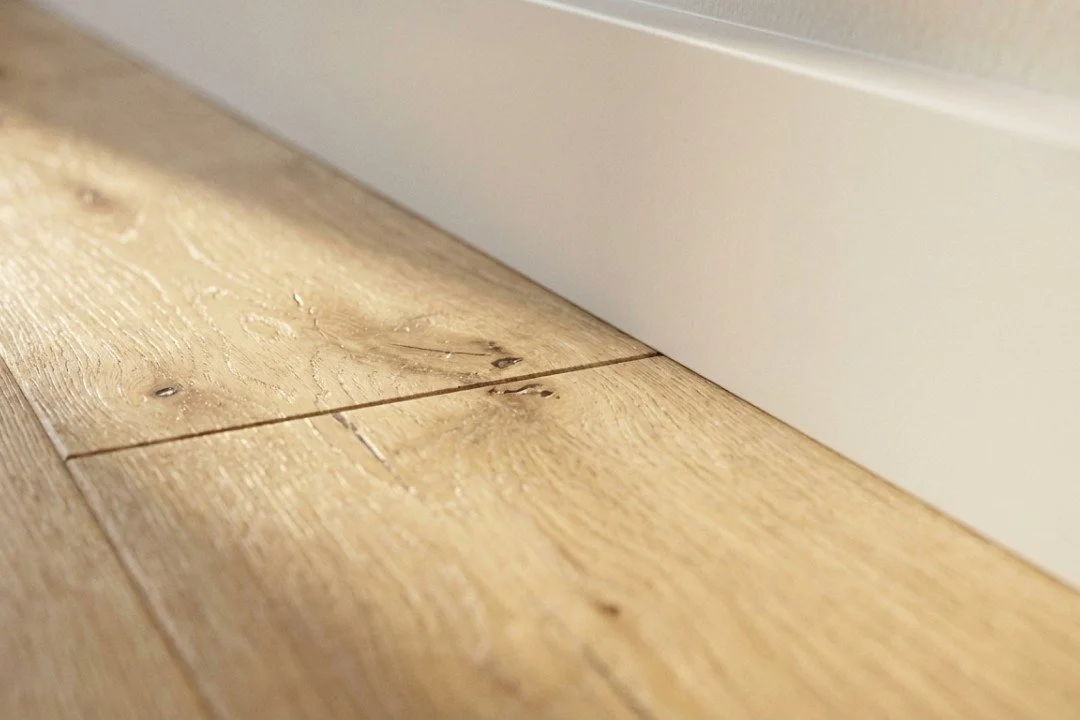
Normally the skirting boards hide that space completely. However, if the boards sit slightly higher than the flooring level, the expansion gap can become visible. When that happens you may start to notice gaps between floor and skirting boards.
Very small skirting board gaps are usually nothing more than a cosmetic issue.
Common Causes: Floor Expansion, Shrinkage and Movement
One of the most common causes of skirting board gaps is seasonal movement in flooring materials. Laminate, engineered wood, and solid timber all react to changes in temperature and humidity.
Over time this movement can create a noticeable gap between skirting board and floor, especially if the flooring contracts slightly.
Timber skirting boards themselves can also shrink as they age. Central heating tends to dry wood gradually, and this sometimes leads to a visible line along the bottom edge.
There is also the simple fact that buildings settle. It happens very slowly, but small shifts in the structure can lead to gaps between floor and wall becoming more noticeable.
Many homeowners first spot the issue after renovation work, particularly when there are gaps after laminate flooring installation.
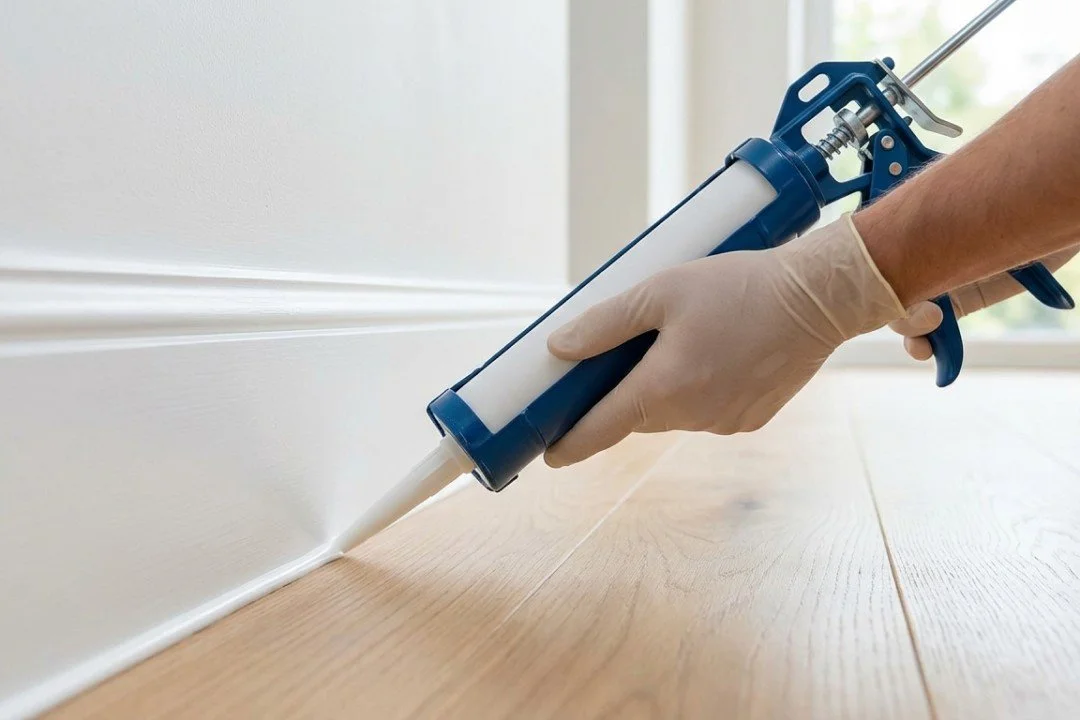
How to Fix Small Gaps with Filler or Sealant
If the gap is fairly narrow, the easiest solution is often a skirting board gap filler. Flexible decorators caulk works well because it can move slightly as the floor expands or contracts.
When filling gaps skirting, preparation helps. The area should be clean and free from dust so the filler sticks properly.
After applying the skirting board gap filler, smooth it gently along the gap. Once it dries, it can usually be painted to match the skirting board colour.
For many people this is the quickest answer when looking for how to fix skirting board gaps.

Fixing Larger Gaps After Laminate or Wood Flooring
Larger gaps after laminate flooring sometimes need a different approach. Filler alone may not cover the space neatly.
A common solution is installing a small trim called scotia or quadrant moulding. This sits along the base of the skirting board and hides the floor expansion gap skirting while still allowing the flooring to move.
Another option is removing the skirting boards and refitting them slightly lower. This can hide the gaps between floor and skirting boards without adding extra trim.
Both methods are widely used and can make the floor edge look much cleaner.
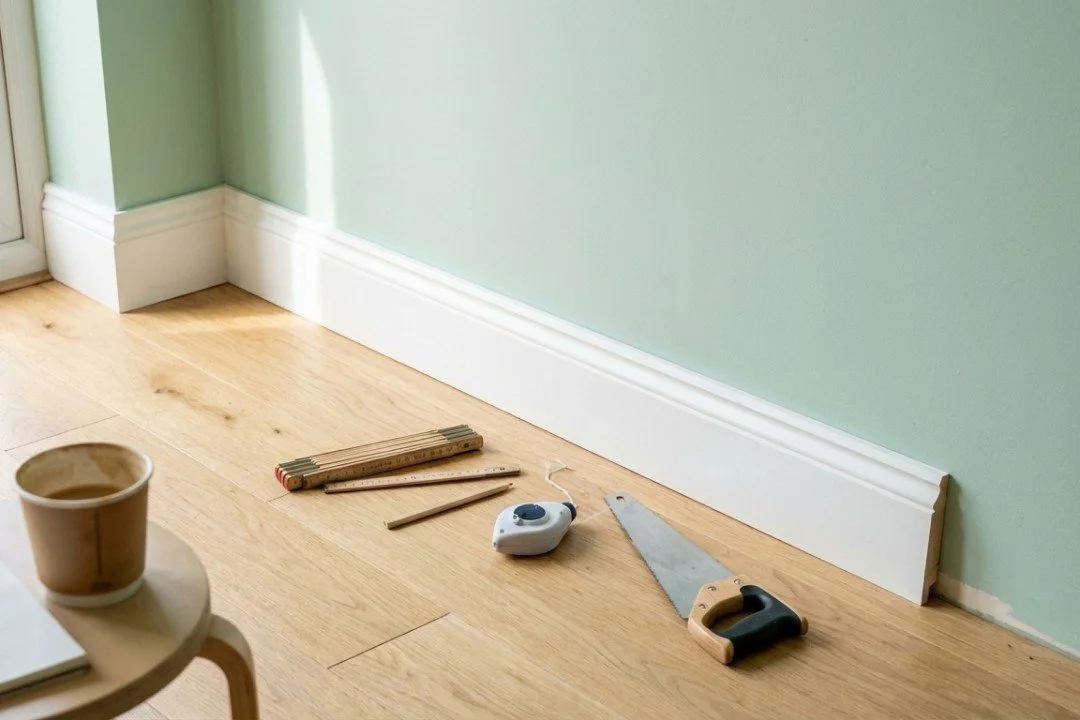
When Skirting Boards Need Replacing
Occasionally the skirting boards themselves are the problem. Old boards may warp, crack, or become uneven over time.
In those situations simply filling gaps skirting might not give the best result. Replacing the boards may be the better option.
New boards can be installed neatly so the gap between skirting board and floor is hidden, while still allowing the necessary floor expansion gap skirting behind them.
Although it involves more work than basic skirting board repair, the finish often looks much better.
When to Call a Carpenter or Flooring Professional
Small repairs are usually manageable as a DIY task. However, larger gaps between floor and wall may require a professional opinion.
A carpenter or flooring specialist can identify the underlying cause and recommend the best solution for how to fix skirting board gaps properly.
Professional skirting board repair may involve adjusting the flooring, refitting boards, or installing trim to cover stubborn gaps between floor and skirting boards.
If the gaps appear in several rooms or continue to widen, it is generally worth having the situation checked.