Condensation vs Damp: How to Tell the Difference
Most people do not think much about moisture in their home until they see it. A bit of water on the windows. A patch on the wall that was not there before. A faint musty smell that seems to linger.
Then the question starts circling: is this condensation or damp?
The difference between condensation vs damp matters more than many people realise. One is usually linked to how we live day to day. The other can point to something going wrong within the building itself. If you misread the signs, you can end up treating the symptom rather than the cause.
Let us go through it calmly and clearly.
Hidden Water Leaks: Early Warning Signs
Why Won’t My Door Close Properly? Common Fixes
Low Water Pressure in Your Home? What Causes it and How to Fix It

Condensation vs Damp: What’s the Difference?
Although people often use the terms interchangeably, condensation or damp are not the same thing.
Condensation forms when warm, moist air touches a cold surface. The moisture in the air turns back into water. It is a completely natural process. In fact, it happens in every home to some degree. You just notice it more in winter.
Damp is different. Damp usually means water is entering the structure of the building. It might be coming through brickwork, from a leaking roof, through damaged pointing, or rising from the ground.
If you are comparing damp vs condensation walls, here is a simple way to think about it. Condensation sits on the surface. Damp comes through the surface.
That small distinction is often the key to solving the problem properly.
How to Tell if It’s Condensation or Damp
Working out how to tell condensation from damp is rarely about one single clue. It is about noticing patterns.
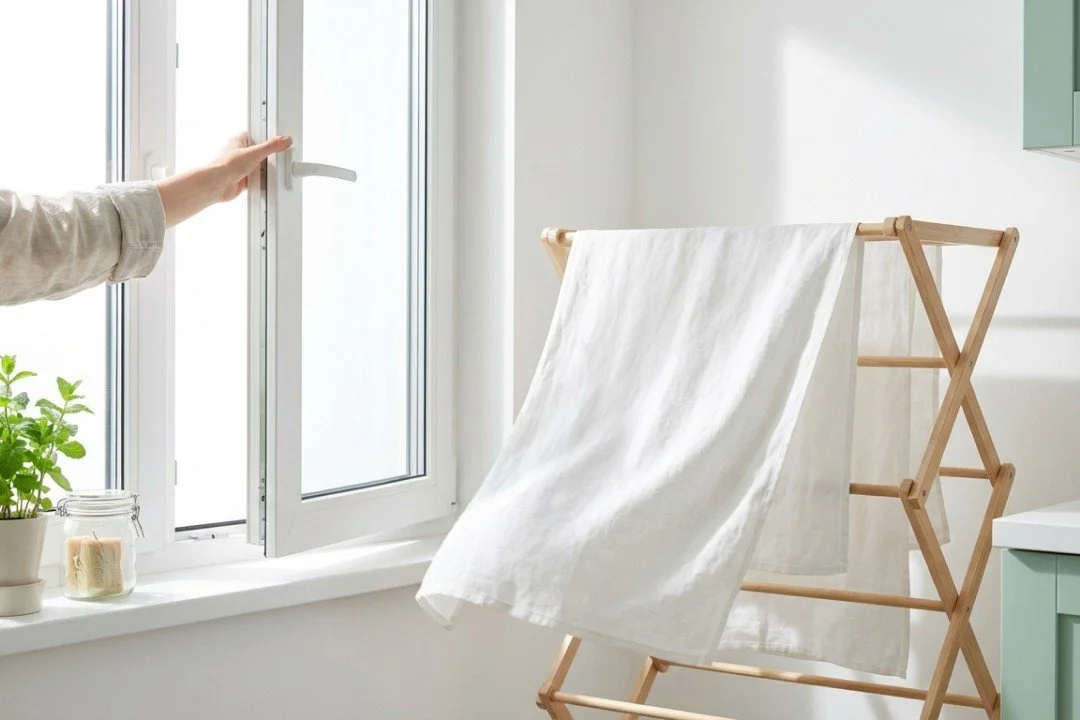
For example, does the moisture appear mostly in the morning? Does it improve once the heating has been on for a while or a window has been opened? That usually suggests condensation.
Does it seem worse after showers, cooking, or drying clothes indoors? Again, that points towards condensation in house conditions rather than structural failure.
Now think about the opposite. Is the patch always there? Does it look the same in summer as it does in winter? Does it get worse after rainfall? Those are stronger hints that damp could be the cause.
Condensation tends to move around depending on temperature and airflow. Damp often stays in one consistent area.
If you are unsure about condensation vs damp, give it time and observe it carefully. The behaviour of the moisture often tells you more than the appearance alone.
Signs of Condensation on Walls and Windows
In colder months, condensation on walls UK homes experience becomes far more noticeable.
You might see:
Water droplets forming on the inside of windows
Damp window sills in the morning
Moisture collecting on external walls
Small black spots appearing in corners
Mould forming behind wardrobes or beds
This is where condensation mould often starts. It usually looks black and speckled. It appears in areas with limited airflow and colder surfaces.
One important thing to understand is that condensation mostly affects surfaces. Paint may peel. Wallpaper may lift. But the underlying structure of the building usually remains intact.
That is very different from true damp.
Signs of Damp in Walls and Ceilings
The signs of damp walls tend to feel more permanent and more damaging.
Typical penetrating damp signs include:
A patch that grows after heavy rain
Water stains on ceilings below bathrooms or rooflines
Damp areas that do not fully dry out
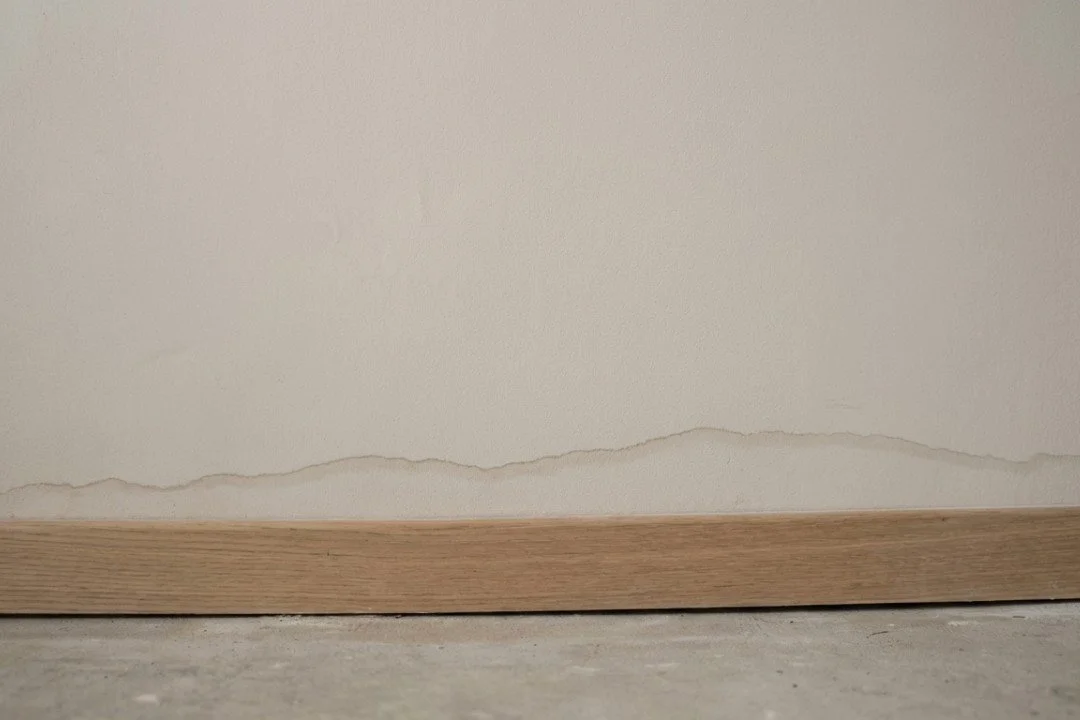
On the other hand, common rising damp signs look like this:
Tide marks along the bottom of ground floor walls
A chalky white residue left on plaster
Skirting boards that feel soft or start to rot
When you see plaster crumbling or wood deteriorating, that usually moves the issue firmly into damp territory.
When people compare condensation or damp, the level of physical damage is often the deciding factor.
Does Condensation Cause Mould?
Yes, it can.
When moisture regularly settles on a surface and does not dry properly, mould spores have the perfect environment to grow. That is why condensation mould is so common in bedrooms, bathrooms, and corners of living rooms.
It does not necessarily mean the property has structural damp. It simply means moisture is not escaping efficiently.
That said, mould should never be ignored. Even if the root cause is only condensation, it still needs to be managed properly to protect air quality and health.
Common Causes of Condensation in UK Homes
There is a reason condensation in house problems are so common across Britain.
Cold outdoor temperatures combined with heated indoor air create ideal conditions for moisture to form. Everyday activities add even more humidity into the air.
Drying washing on radiators. Long hot showers. Cooking without extractor fans. Keeping windows shut throughout winter. All of these increase moisture levels indoors.
Modern homes, which are built to be more airtight, can sometimes make the issue worse if ventilation is not carefully managed.
This is why condensation on walls UK properties see in winter is often linked to airflow rather than structural defects.

When Damp Is the Real Problem and Needs Repair
Sometimes, no matter how much you improve ventilation or adjust your heating, the problem does not improve.
If you notice ongoing penetrating damp signs or clear rising damp signs, it may be time to look beyond condensation.
Damp caused by building defects usually needs proper repair. That could involve fixing guttering, repairing brickwork, addressing roof damage, or checking the damp proof course.
Unlike condensation, structural damp rarely resolves on its own.
Moisture in the home can be frustrating, especially when you are not sure what you are dealing with. But understanding condensation vs damp removes much of the uncertainty.
If the moisture changes with daily activities and temperature, it is probably condensation. If it is persistent, worsening, and damaging materials, damp is the more likely explanation.
Taking a little time to observe the signs now can save a great deal of expense later.