Hidden Water Leaks: Early Warning Signs
Hidden water leaks are not dramatic. There is no sudden flood or loud bang. Most of the time, it starts with something small that does not seem urgent.
A faint mark. A slightly damp smell. A bill that looks a bit higher than normal.
It is easy to ignore these things. Life gets busy. But hidden water leaks have a habit of quietly getting worse while you are not looking. By the time the problem is obvious, the repair is usually bigger than it needed to be.
Here are the early signs that are worth taking seriously.
Why Won’t My Door Close Properly? Common Fixes
Low Water Pressure in Your Home? What Causes it and How to Fix It

Hidden Water Leak Signs You Shouldn’t Ignore
The tricky part with hidden water leak signs is that they do not always look like a plumbing issue.
You might notice paint that has started to bubble very slightly. Wallpaper that will not stick flat anymore. A patch of wall that feels cooler than the rest of the room. Sometimes there is just a musty smell that keeps coming back.
None of these shout “leak”. But together, they can point to moisture building up somewhere out of sight.
If something changes in your home and it stays changed, it is usually for a reason.
Unexplained Increase in Your Water Bill
An unexplained water bill increase is often the first solid clue.
If you have not filled a swimming pool or started watering the garden every day, your usage should be fairly steady. When the numbers start creeping up for no clear reason, water may be escaping somewhere.
Even a slow hidden water leak can waste a surprising amount over weeks and months. Many people only connect the dots after comparing several bills and realising the rise is not a one-off.
It is worth checking rather than assuming it is just a price adjustment.
Water Stains on Ceilings, Walls or Floors
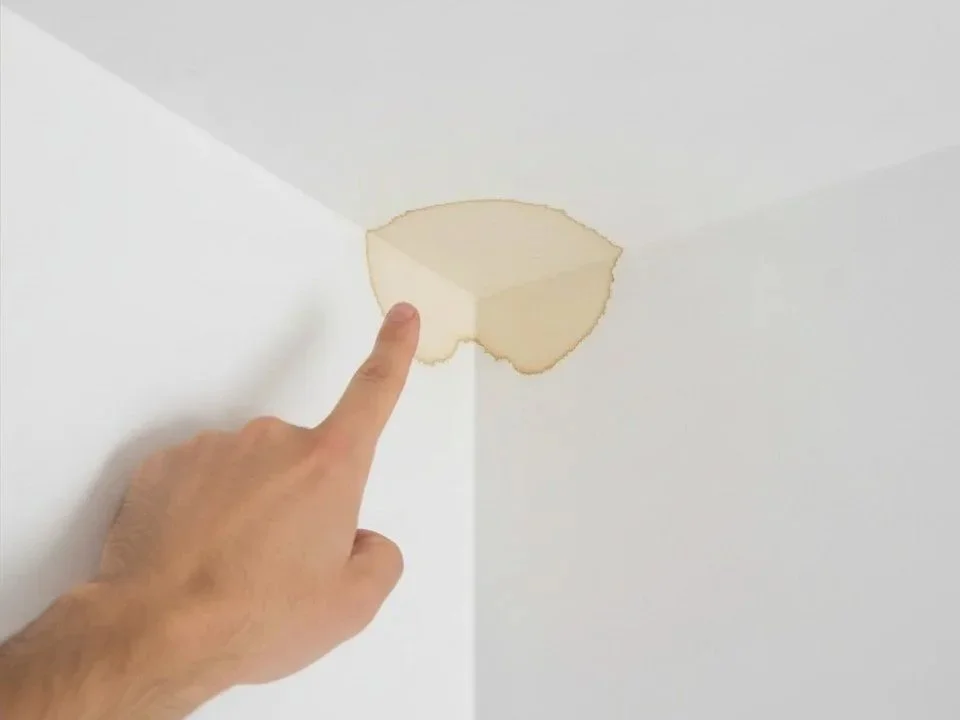
Ceiling water stains tend to make people stop and pay attention. They often begin as pale yellow rings and slowly darken.
If there is a bathroom above, that is usually the first area to check. Small seal failures around showers and baths can take a long time to show themselves.
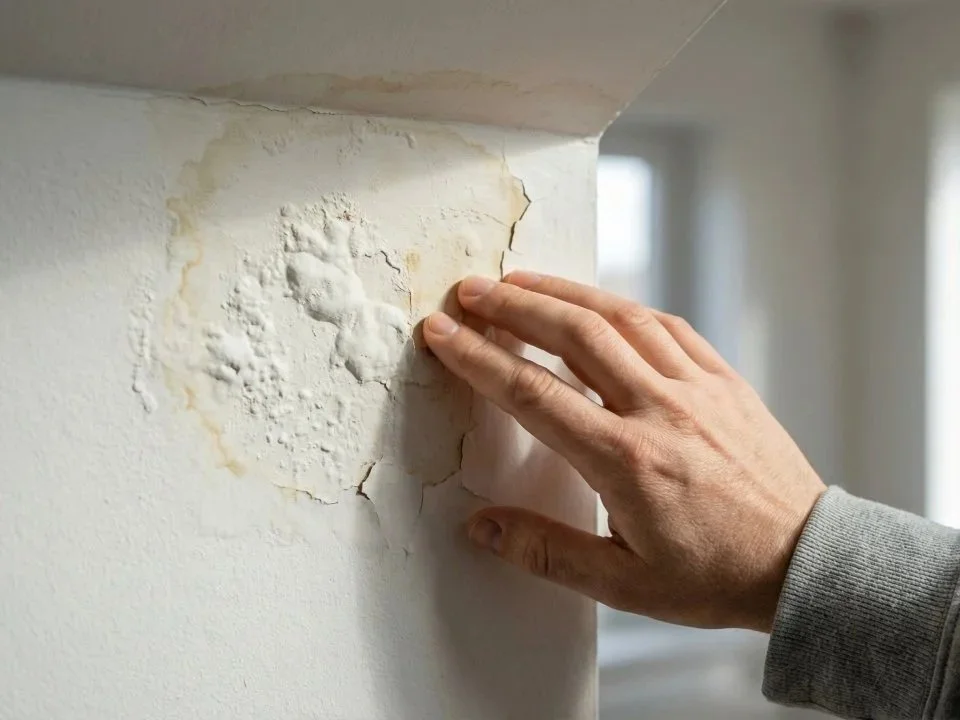
Water leak in wall signs can be more subtle. Paint may ripple. Plaster might feel slightly soft. You may see faint discolouration that was not there before.
Water leak under floor signs are different again. Floorboards can feel uneven. Laminate may start lifting at the edges. Tiles might loosen without any obvious impact.
These signs usually develop gradually rather than overnight.

Damp Patches with No Visible Leak
Damp patches no leak visible can be frustrating. You can clearly see moisture, but there is no dripping pipe and no obvious crack.
Water can travel along structures before it shows itself. That is why damp patches with no visible leak often appear away from the actual source.
If the area never seems to fully dry, feels cold compared to surrounding surfaces, or keeps returning after decorating, there is likely an underlying issue.
It is rarely “just one of those things”.
How to Check for a Hidden Leak Using Your Water Meter
If you want a straightforward check, try a water meter leak test.
Turn off every tap and appliance that uses water. Make sure nobody uses the bathroom during the test. Take a reading from the meter.
Leave it for an hour or two without using any water. Then check again.
If the numbers have moved, water is flowing somewhere. And if no one has used anything, that suggests hidden water leaks.
It is not complicated, but it can give you peace of mind or confirm your suspicion.
Where Hidden Leaks Commonly Occur in Homes
Some parts of the house are simply more prone to leaks.
Bathrooms and kitchens are common because of the amount of plumbing. Shower trays, bath seals and pipe joints can slowly fail over time.
Water leak in wall signs often show up where pipework runs through plaster. Water leak under floor signs are common in older homes where pipes sit beneath boards or concrete.
Lofts are another area worth checking, especially in winter when temperature changes can affect pipes.
Knowing the likely spots makes it easier to narrow things down.
When to Call a Plumber or Leak Detection Specialist
There is a point where guessing becomes stressful.
If your water meter leak test shows movement, or you have several signs happening at once, it makes sense to bring in a professional.
Leak detection UK specialists now use equipment that can find problems without tearing your house apart straight away. Thermal cameras and listening devices help pinpoint the source with much less disruption than in the past.
Catching it early usually means a smaller repair and a smaller bill.
Condensation vs Damp: What’s the Difference?
This is where confusion often happens.
Condensation is surface moisture. It forms when warm air hits a cold surface. You will often see it on windows or tiles after a shower.
Damp caused by hidden water leaks comes from within the structure. It is not just surface moisture. It keeps feeding from a continuous source.
They can look similar at first, which is why people mix them up.
How Can You Tell if It’s Condensation or Damp?
Condensation usually appears during colder months and improves with ventilation. Open windows, use extractor fans, and it reduces.
Damp from leaks behaves differently. It lingers. It can create ceiling water stains or patches that do not respond to airflow.
If wiping the surface does not solve it and the problem returns in the same spot, it is probably not simple condensation.

Is Condensation a Sign of Damp?
Not directly.
Condensation is mainly about airflow and temperature. However, if it happens constantly, it can create conditions where damp and mould develop.
The key is whether the moisture dries out when the room is ventilated. If it does not, something deeper may be happening.
Does Condensation Cause Mould on Walls and Ceilings?
Yes, over time it can.
When moisture repeatedly settles on walls and ceilings, mould can form. You might notice small black spots in corners or around windows.
That said, if mould appears alongside an unexplained water bill increase or obvious ceiling water stains, hidden water leaks should be ruled out properly.
Hidden water leaks are rarely obvious at the start. They tend to show up as small changes that are easy to overlook.
A slightly higher bill. A patch that does not dry. A stain that slowly spreads.
Pay attention to those early signs. They are usually there for a reason.