How To Improve Indoor Air Quality At Home
When people think about air pollution, they often imagine busy roads or industrial areas. However, the air inside your home can sometimes be even more polluted than the air outside. From dust and pet dander to cleaning chemicals and poor airflow, many factors can affect your indoor air quality. The good news is that with a few simple changes, you can improve air quality at home and create a healthier, more comfortable living environment.
Low Water Pressure In House: Causes And Fixes

What Causes Poor Indoor Air Quality?
Understanding what affects your indoor air quality is the first step towards improving it. Many everyday activities and household items contribute to an unhealthy air quality house environment.
One of the most common causes is dust. It builds up quickly on surfaces, carpets, and soft furnishings, carrying allergens that can trigger respiratory issues. Pet dander, pollen, and mould spores can also circulate indoors, especially if windows are rarely opened.
Household products are another hidden culprit. Cleaning sprays, air fresheners, and even some candles release chemicals into the air. Over time, these can accumulate and reduce overall indoor air quality.
Poor ventilation home setups also play a major role. Without proper airflow, pollutants become trapped indoors, making the air feel stale and potentially harmful. Moisture build-up in kitchens and bathrooms can further encourage mould growth, which negatively impacts air quality.
How To Improve Air Quality At Home
If you want to improve air quality at home, small consistent changes can make a big difference. Start by keeping your living space clean and well-maintained. Regular vacuuming, dusting, and washing fabrics such as curtains and bedding can significantly reduce airborne particles.
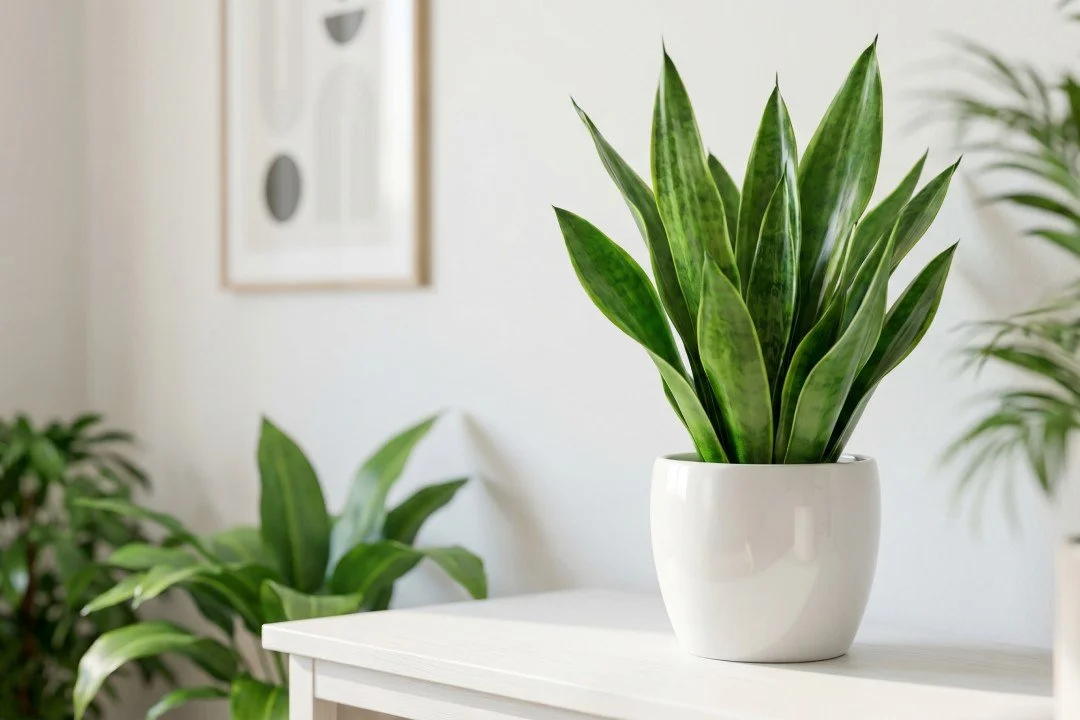
Adding indoor plants can also help, although they should not be relied on as the only solution. Plants can support a fresher atmosphere and complement other efforts to improve indoor air quality.
Switching to natural or low-chemical cleaning products is another effective step. This reduces the number of pollutants released into the air during everyday cleaning routines.
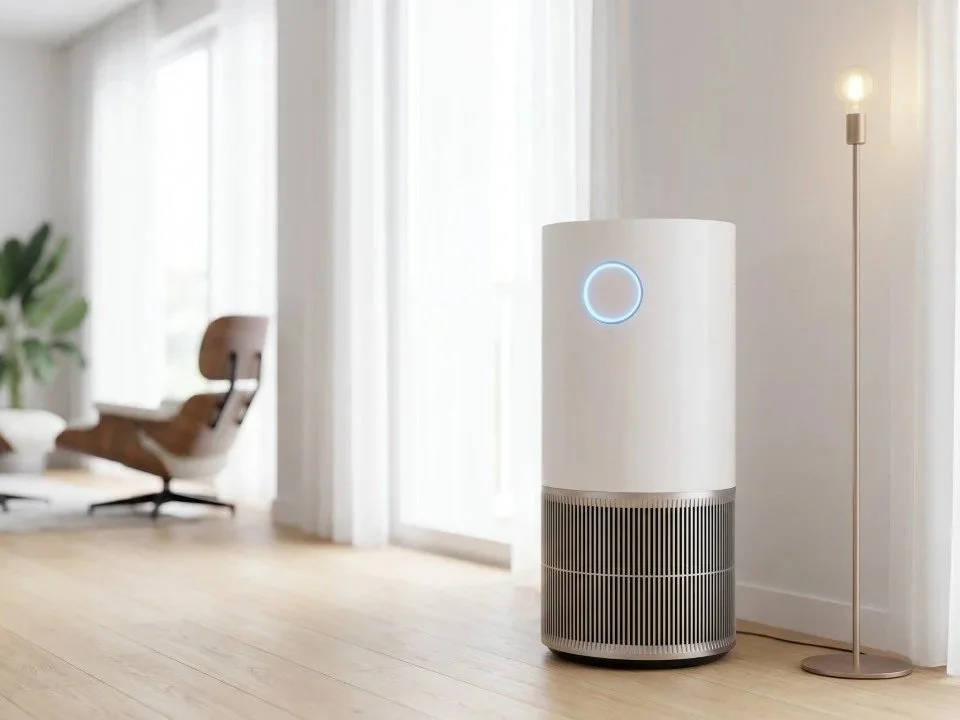
Air purifiers can be particularly useful, especially in homes where allergies are a concern. A good quality purifier helps filter out dust, pollen, and other fine particles, contributing to a healthier air quality house overall.
Best Ways To Reduce Dust And Allergens
To reduce dust home environments effectively, consistency is key. Dust tends to accumulate quickly, so frequent cleaning is essential.
Start with your floors. Carpets can trap large amounts of dust and allergens, so vacuuming at least twice a week is recommended. If possible, consider using hard flooring in high-traffic areas, as it is easier to clean and does not hold onto dust in the same way.
Wash bedding weekly in hot water to eliminate dust mites, one of the most common triggers for allergies. Upholstered furniture should also be cleaned regularly, as it can harbour hidden dust particles.
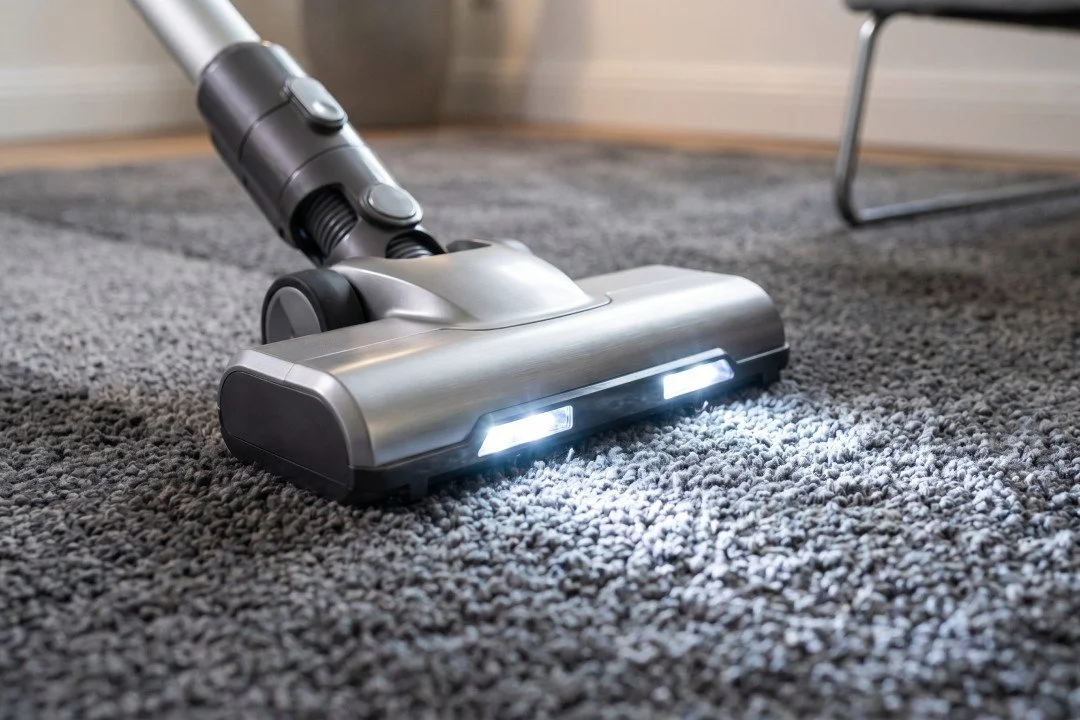
Keeping clutter to a minimum can also help reduce dust home build-up. The more items you have on display, the more surfaces there are for dust to settle on.
Finally, do not forget about filters. Heating and cooling systems often have filters that need regular cleaning or replacing. Keeping these in good condition prevents dust from circulating throughout your home.
Ventilation And Airflow: What You Need To Know
Good ventilation home practices are essential for maintaining healthy indoor air quality. Fresh air needs to circulate regularly to prevent pollutants from building up indoors.
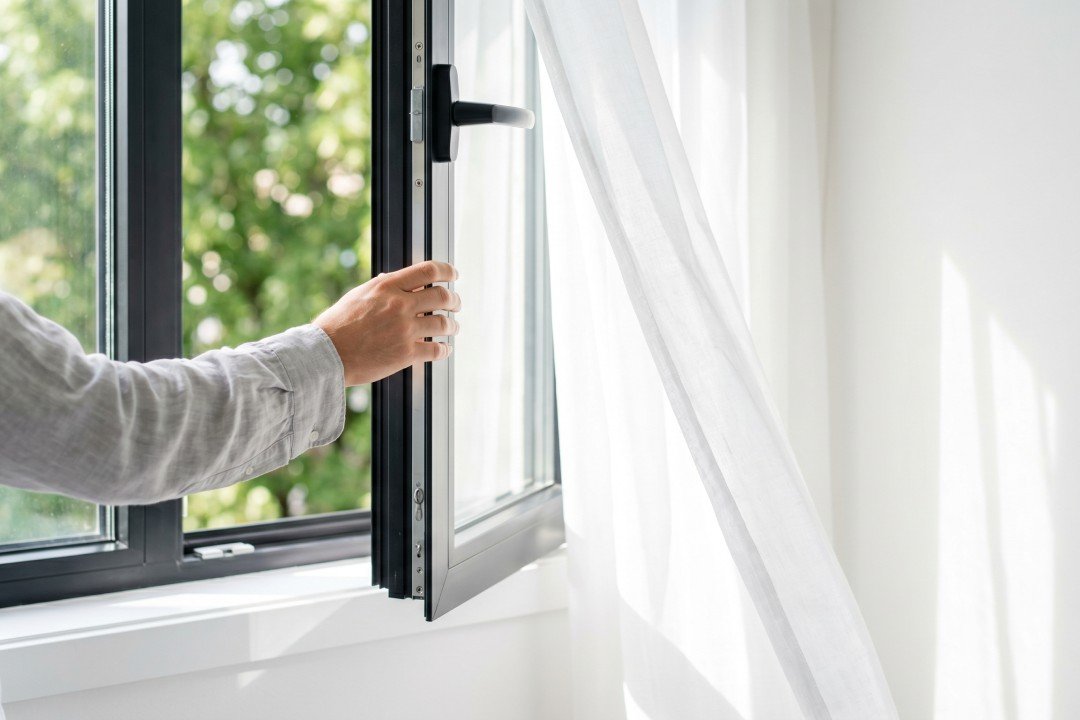
Opening windows daily, even for a short period, allows stale air to escape and fresh air to enter. This simple habit can have an immediate impact on how your home feels and smells.
Extractor fans in kitchens and bathrooms are particularly important. They help remove moisture, smoke, and odours, reducing the risk of mould and improving overall air quality house conditions.
If your home tends to feel stuffy, consider using fans to improve airflow between rooms. Proper air movement ensures that fresh air is distributed evenly throughout the space.
For newer or more airtight homes, mechanical ventilation systems can be a worthwhile investment. These systems are designed to maintain consistent airflow while filtering incoming air, making it easier to improve air quality at home without relying solely on open windows.
Improving indoor air quality does not require drastic changes. By focusing on cleanliness, reducing pollutants, and ensuring proper ventilation home setups, you can create a fresher and healthier environment for you and your household. Small steps, taken consistently, can transform your air quality house into a space that truly supports your wellbeing.