How To Soundproof A Room
If you have ever struggled with unwanted noise, you will know how frustrating it can be. Whether it is loud neighbours, traffic outside, or even noise within your own home, finding a way to soundproof a room can make a huge difference to your comfort and peace of mind.
Understanding how to soundproof a room starts with knowing that complete silence is difficult to achieve without professional construction. However, you can significantly reduce noise in a room with the right techniques and materials. Sound travels through walls, floors, ceilings, and even small gaps, so a combination of solutions often works best.
Start by identifying where the noise is coming from. Is it airborne noise such as voices and music, or impact noise like footsteps? Once you know this, you can choose the most effective sound insulation methods to tackle the problem.
When to Call a Professional Electrician for Home Repairs

Soundproofing Walls: What Works And What Doesn’t
Soundproofing walls is one of the most common approaches when trying to reduce noise in a room. However, not all solutions are equally effective.
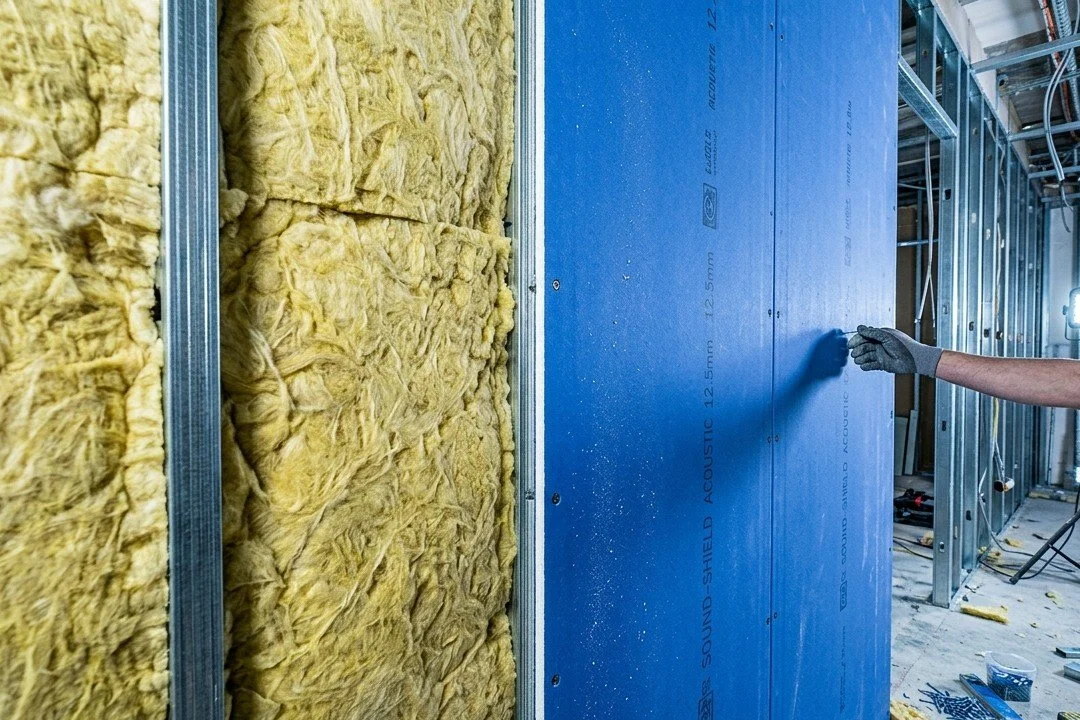
Adding mass to your walls is one of the best ways to block sound. This can be done with specialised acoustic plasterboard or by installing additional layers of drywall. These methods help to stop sound waves from passing through.
Acoustic panels are often used, but it is important to understand their purpose. They are excellent for improving sound quality within a room by reducing echo, but they do not fully block noise from entering or leaving. This is a common misunderstanding when people first begin learning how to soundproof a room.
Sealing gaps is another crucial step. Even small cracks around doors, windows, or sockets can allow sound to travel through easily. Using sealant or weatherstripping can make a noticeable difference.
What does not work particularly well on its own includes thin foam, egg cartons, or decorative panels. These may slightly reduce echo, but they do very little for true sound insulation.
How To Reduce Noise From Neighbours
Dealing with noisy neighbours can be challenging, but there are several practical ways to reduce noise in a room without major renovations.
One of the simplest solutions is to rearrange your furniture. Placing large items such as wardrobes or bookcases against shared walls can help absorb and block sound.
Heavy curtains or soundproof curtains over windows can also help reduce noise coming from outside. Similarly, using thick rugs or carpets can limit sound travelling through floors, especially in flats or multi-storey homes.
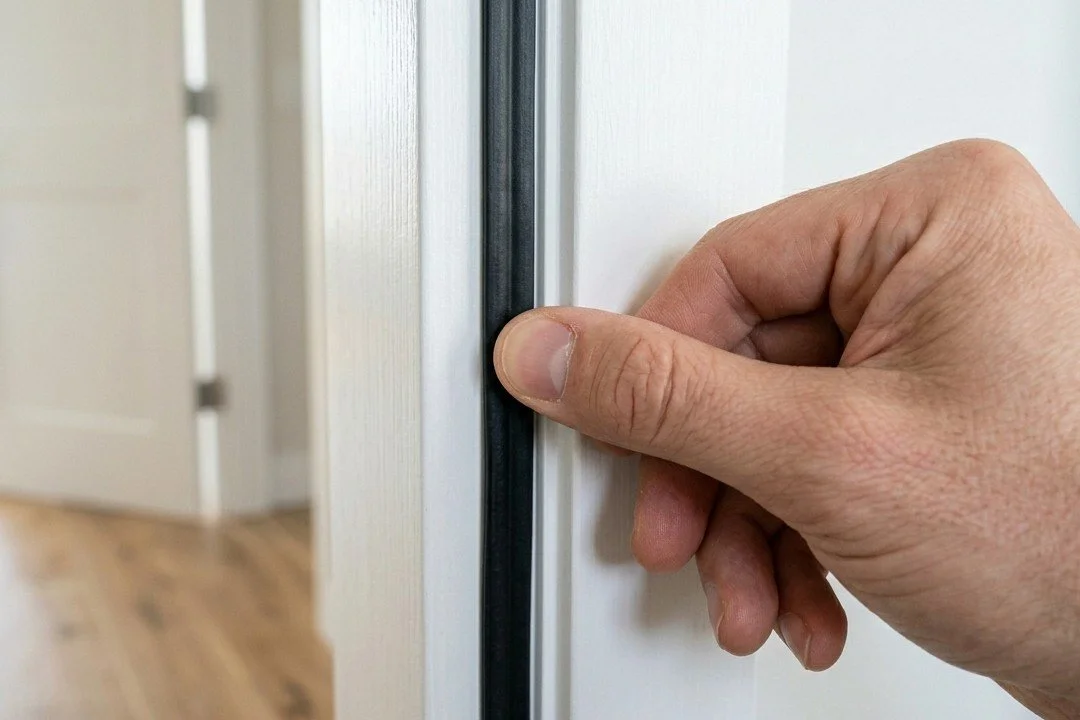
Door seals and draft excluders are often overlooked but can be very effective. Sound frequently leaks through gaps under doors, so blocking these areas can significantly improve your room’s sound insulation.
If noise from above is an issue, consider acoustic ceiling panels or even a suspended ceiling system, although this requires more effort and investment.
How To Soundproof A Room Cheaply
If you are working with a limited budget, do not worry. There are still plenty of ways to soundproof a room without spending a fortune.
Start with soft furnishings. Adding cushions, rugs, blankets, and thick curtains can all help absorb sound. While these may not completely soundproof a room, they can noticeably reduce noise levels.
Bookshelves filled with books are another excellent low-cost option. They act as a barrier and help break up sound waves.
Weatherstripping for doors and windows is inexpensive and easy to install. It is one of the most effective budget-friendly ways to improve sound insulation.
You can also use door sweeps or even rolled towels to block gaps. While simple, these solutions can make a surprising difference when trying to reduce noise in a room.

Best Materials For Soundproofing A Room
Choosing the right materials is key when learning how to soundproof a room effectively.
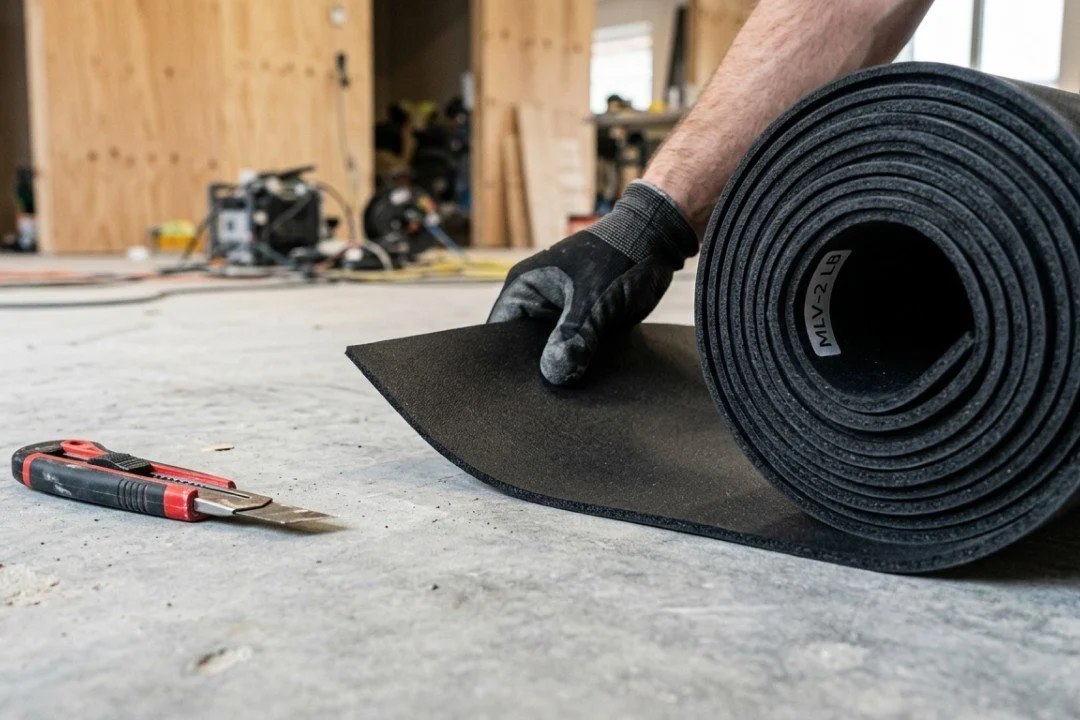
Mass-loaded vinyl is one of the most popular options. It is dense, flexible, and excellent at blocking sound. It can be added to walls, ceilings, or even floors.
Acoustic plasterboard is another strong choice for soundproofing walls. It provides added mass and is specifically designed for sound insulation.
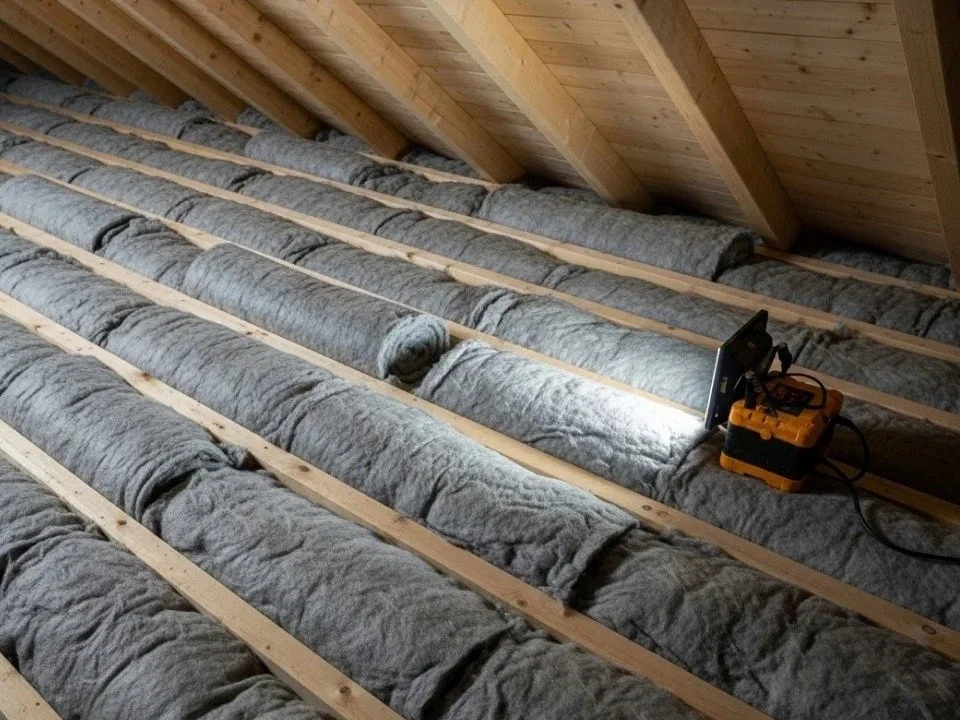
Mineral wool or fibreglass insulation is commonly used within walls and ceilings. These materials absorb sound and prevent it from travelling between spaces.
Acoustic sealant is essential for closing gaps and ensuring that your efforts are not undone by small openings.
Finally, double-glazed windows can significantly reduce external noise, making them a worthwhile investment for long-term soundproofing.
Can You Completely Soundproof A Room?
In most cases, completely soundproofing a room is extremely difficult without professional construction techniques such as building a room within a room. This involves isolating all surfaces so that sound cannot travel through them.
However, you can achieve a high level of noise reduction with the right combination of materials and methods. For most people, reducing noise to a comfortable level is more realistic and practical.
What Is The Cheapest Way To Soundproof A Room?
The cheapest way to soundproof a room is by using items you already have. Soft furnishings, rugs, curtains, and furniture placement can all help reduce noise in a room without any major expense.
Sealing gaps around doors and windows is another low-cost solution that can deliver immediate results.
Does Soundproofing Actually Work?
Yes, soundproofing does work, but it depends on your expectations and the methods you use. While you may not achieve complete silence, effective sound insulation can dramatically reduce unwanted noise.
The key is to combine different techniques rather than relying on a single solution. By adding mass, sealing gaps, and using sound-absorbing materials, you can create a much quieter and more comfortable space.