How to Insulate Your Home
Honestly, when it comes to keeping a house warm, most of us completely underestimate how much heat we lose. I did, for years. I used to think cranking up the heating was enough, but then I noticed my living room was still cold, and my energy bills were ridiculous. That is when I started looking into how to insulate your home properly.
It is not as scary as it sounds, and you do not have to do everything at once. Even small changes can make a big difference. Let me talk you through the things I learned, in the order that makes sense if you are trying to keep your house cosy.
How to Repair Creaky Floorboards
Winter Home Maintenance Checklist: What to Fix Before the Cold Weather Hits

Why Home Insulation Is Important
So, why bother insulating a house at all? Well, for starters, it actually makes the place feel nicer. Rooms stay warmer, draughts disappear, and you do not end up huddled under blankets all the time.
Of course, there is the money side too. Without proper house insulation, heat just leaks out. You end up paying more for your heating, and that can get frustrating really quickly. Proper insulation slows down heat loss, keeps your home more comfortable, and yes, it can help reduce your carbon footprint a little.
How Heat Is Lost in a Home
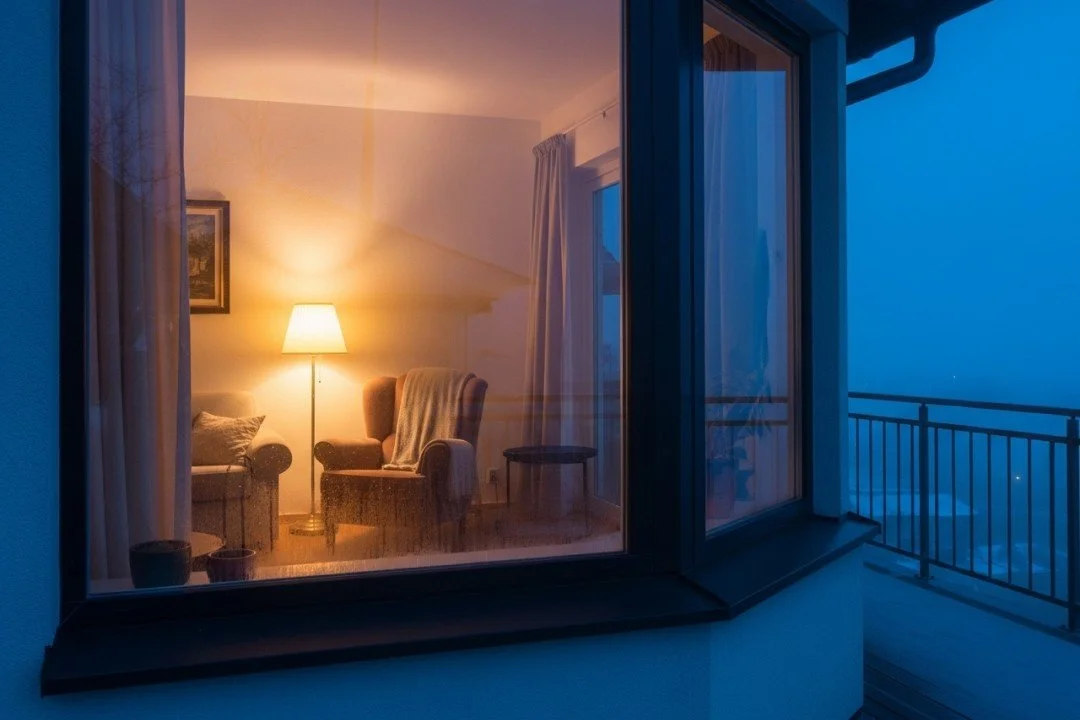
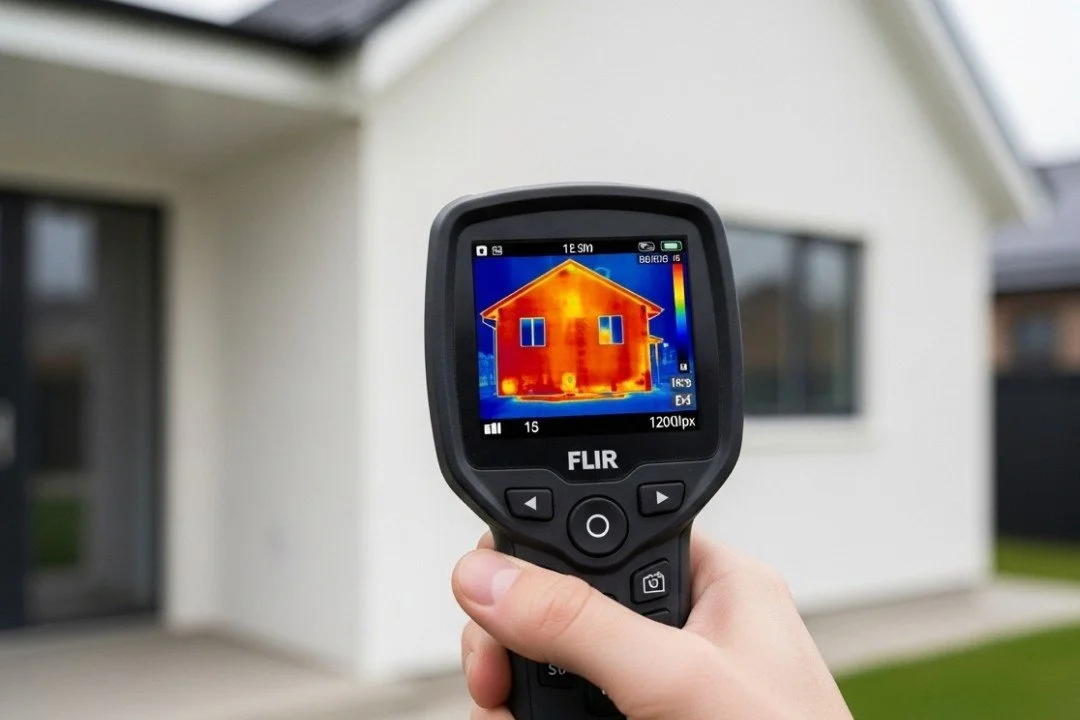
Heat sneaks out in all sorts of ways. The roof is usually the biggest culprit — warm air rises, so if your loft is poorly insulated, a lot of heat is just disappearing. Walls are next, especially if you have an older home with solid walls. Windows and doors are sneaky little heat leaks too, and even small gaps around the floorboards can make a noticeable difference.
I remember noticing a cold draught coming from a tiny gap under one of our doors — I had no idea it could make such a difference. So, when you are thinking about insulating a house, try to look at all the places heat escapes. Otherwise, your hard work in one area will be wasted.
Loft Insulation Basics
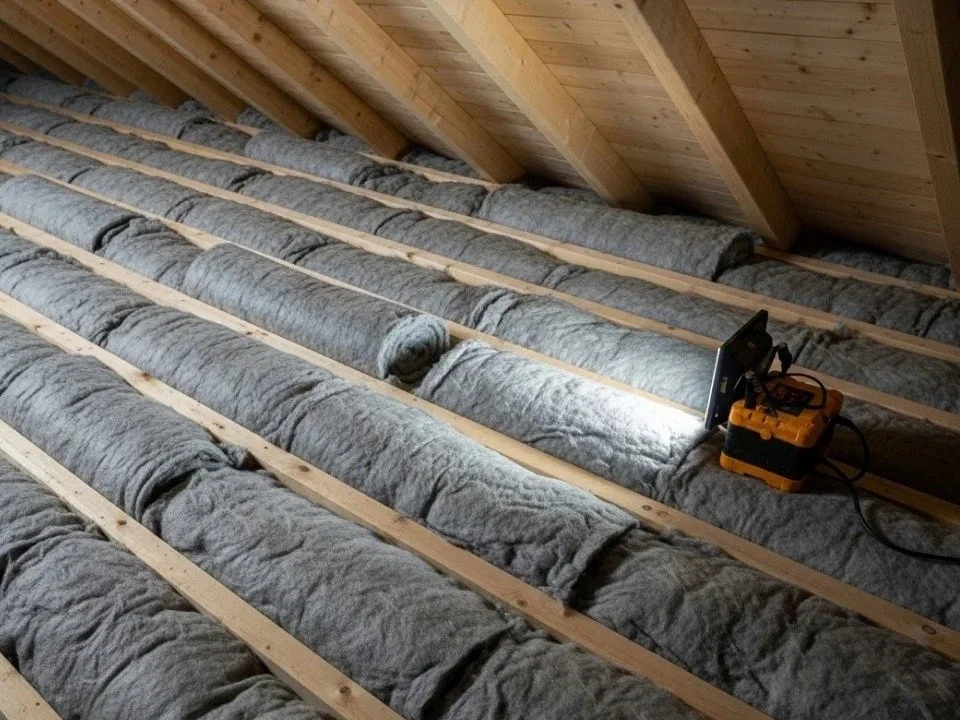
Loft insulation is where most people start. It is cheap-ish, fairly easy to do, and you notice the change pretty quickly.
The idea is simple: trap heat before it escapes through the roof. Mineral wool, foam, or even recycled fibres are laid between and over the joists. If your insulation is patchy or thin, topping it up can make a big difference — and it is one of those things you can actually feel almost immediately.
It is not glamorous work — trust me, I spent an afternoon crawling around a dusty loft — but it works.
Wall Insulation Options
Walls are sneaky heat losers. Cavity walls are easier to insulate because you can just fill the gap with insulation. Solid walls are trickier. You can insulate inside or outside, but it costs more and takes longer.
Still, if your walls are cold to the touch, it can make a massive difference. In my experience, you notice it straight away in comfort, even before you see it on your bills.
Insulating Windows and Doors
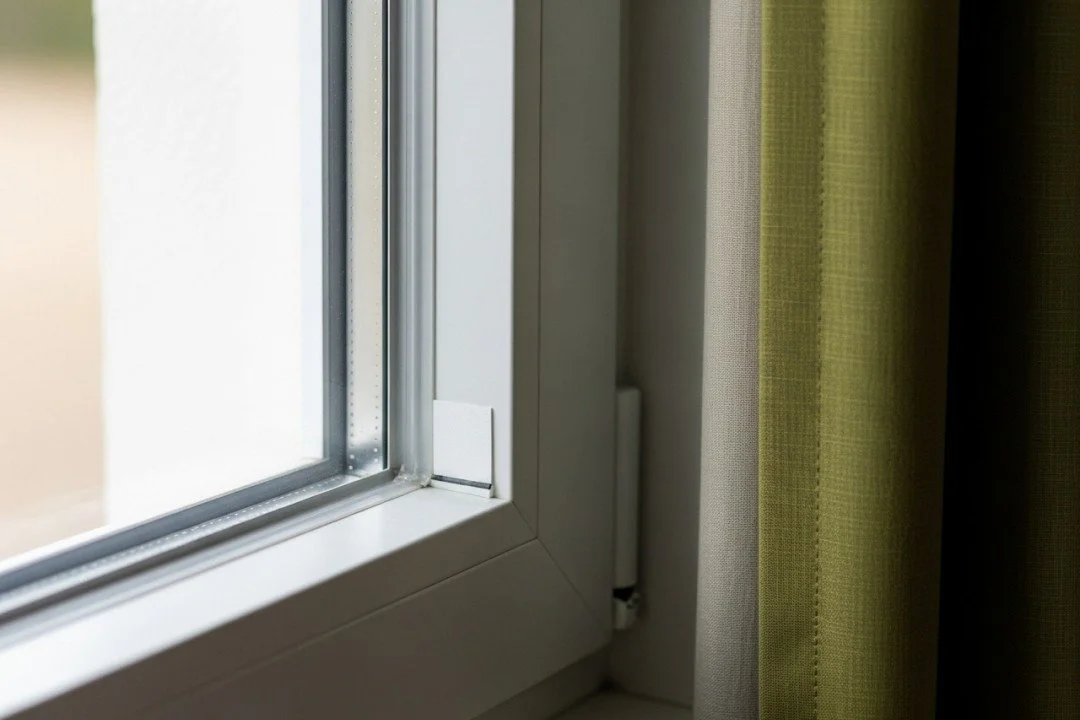
Windows and doors might not seem like a big deal, but they can let out a surprising amount of heat. Double or triple glazing is ideal, but even small things help.
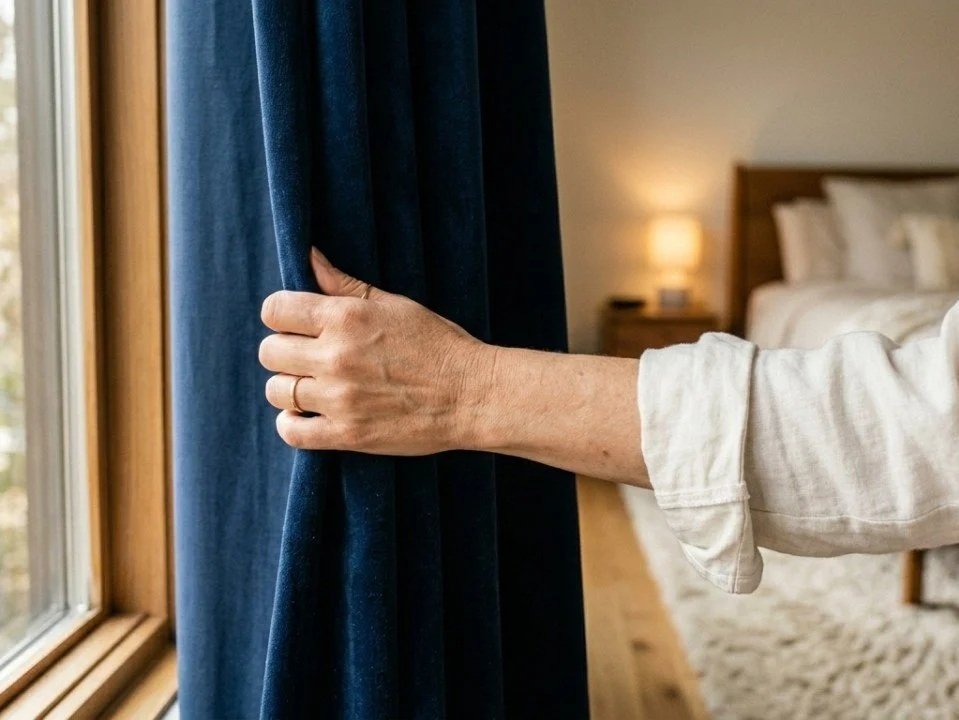
Check the frames, seal any gaps, and consider heavy curtains or thermal blinds. These small steps support your other insulation efforts and stop you feeling like the cold is creeping in around every corner.
Draught Proofing Your Home
Draught proofing sounds boring, but it is surprisingly effective. Gaps around doors, windows, floors, or even loft hatches can let cold air in constantly.
You can use draught excluders, sealant strips, or brush strips. It is cheap, easy to do, and instantly noticeable. I did it in our house, and I swear some rooms felt warmer within an hour. It works best alongside loft and wall insulation — the little things really add up.
Insulation Materials Explained
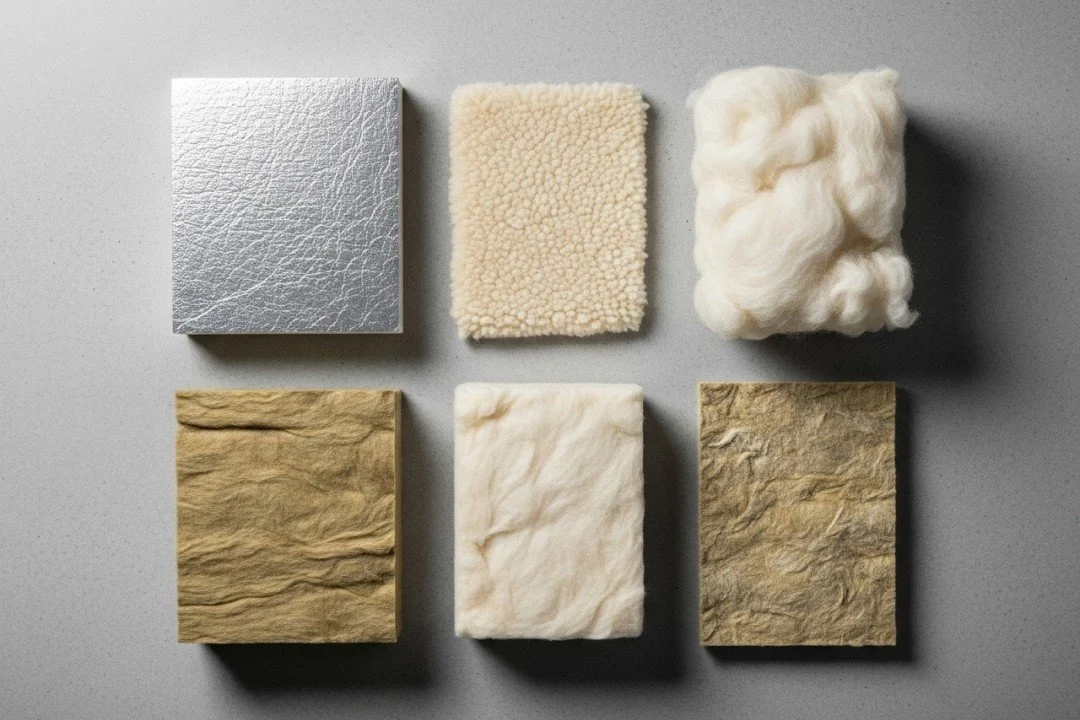
There are loads of options. Mineral wool is common, foam boards work well in tricky spots, natural fibres like sheep’s wool are eco-friendly, and recycled materials are an option too.
Honestly, I would not worry too much about perfection. The key is to use the right material in the right place. Sometimes mixing materials is better than sticking to just one.
When to Hire an Insulation Specialist
Some things you can do yourself, but some jobs really need a professional. If you are unsure where your heat is escaping or you have awkward walls, it is worth calling someone.
A specialist can check your home, advise on the best materials, and give you a clear idea of home insulation cost. It saves a lot of guesswork and stress — and it means you actually get the results you are hoping for.