Low Water Pressure In House: Causes And Fixes
Few things are more frustrating than turning on a tap or stepping into the shower, only to be met with a weak trickle of water. Low water pressure can make everyday tasks feel like a chore, from washing dishes to enjoying a proper shower. The good news is that most water pressure problems have clear causes, and many can be resolved without too much hassle.
In this guide, we will walk through the most common reasons behind low water pressure in house settings, along with practical ways to fix low water pressure and know when it is time to call in expert help.

Low Water Pressure In House: What Causes It?
Low water pressure in house systems can stem from a variety of issues, some simple and others more complex. One of the most common culprits is a build-up of mineral deposits in pipes, especially in areas with hard water. Over time, these deposits restrict water flow and reduce pressure throughout the home.
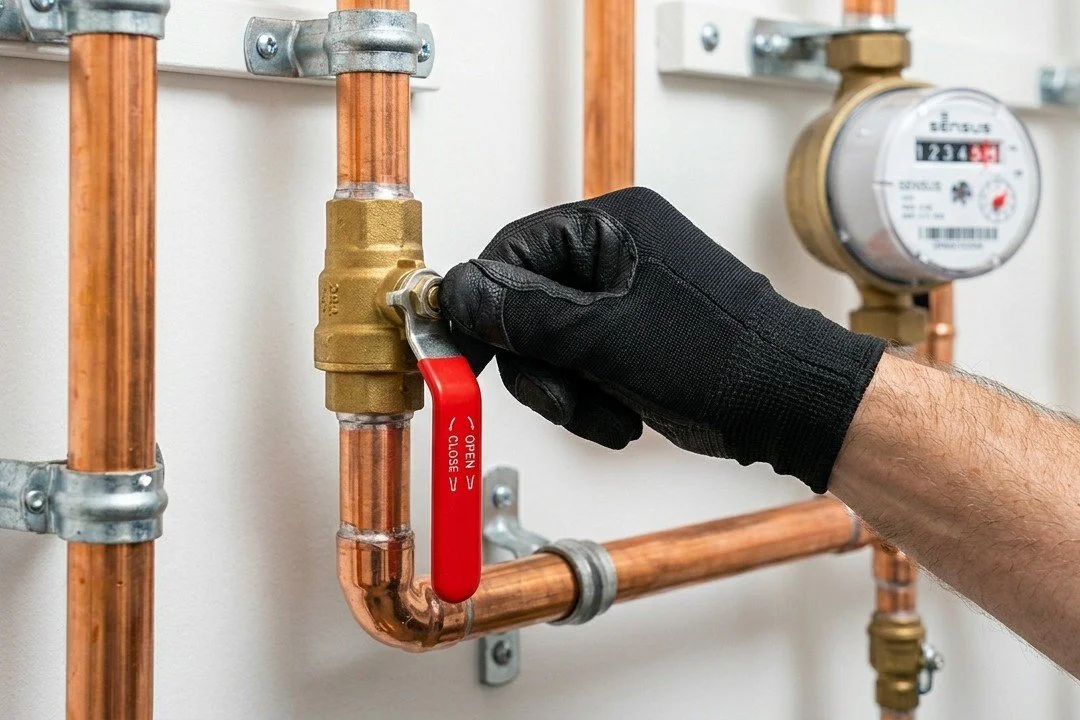
Another frequent cause is partially closed shut-off valves. These valves control the flow of water into your home, and even a slight restriction can lead to noticeable pressure drops. It is always worth checking that they are fully open.
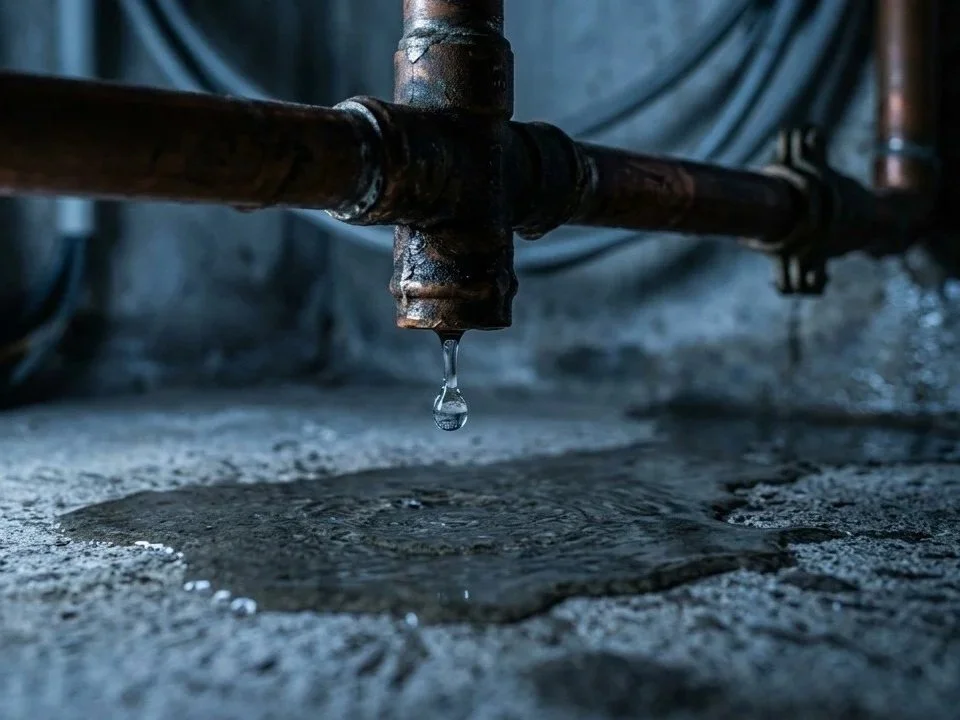
Leaks can also play a significant role. Even a small leak somewhere in your plumbing system can divert water away from where it is needed, leading to reduced pressure at taps and showers. In older homes, outdated or corroded pipework may also be to blame, as internal narrowing limits the amount of water that can pass through.
Finally, sometimes the issue is external. Municipal supply problems or high demand in your area can temporarily affect your water pressure.
Low Water Pressure In Shower: Common Reasons
A low water pressure shower is one of the most noticeable and irritating issues for homeowners. Often, the problem is localised rather than affecting the entire house.
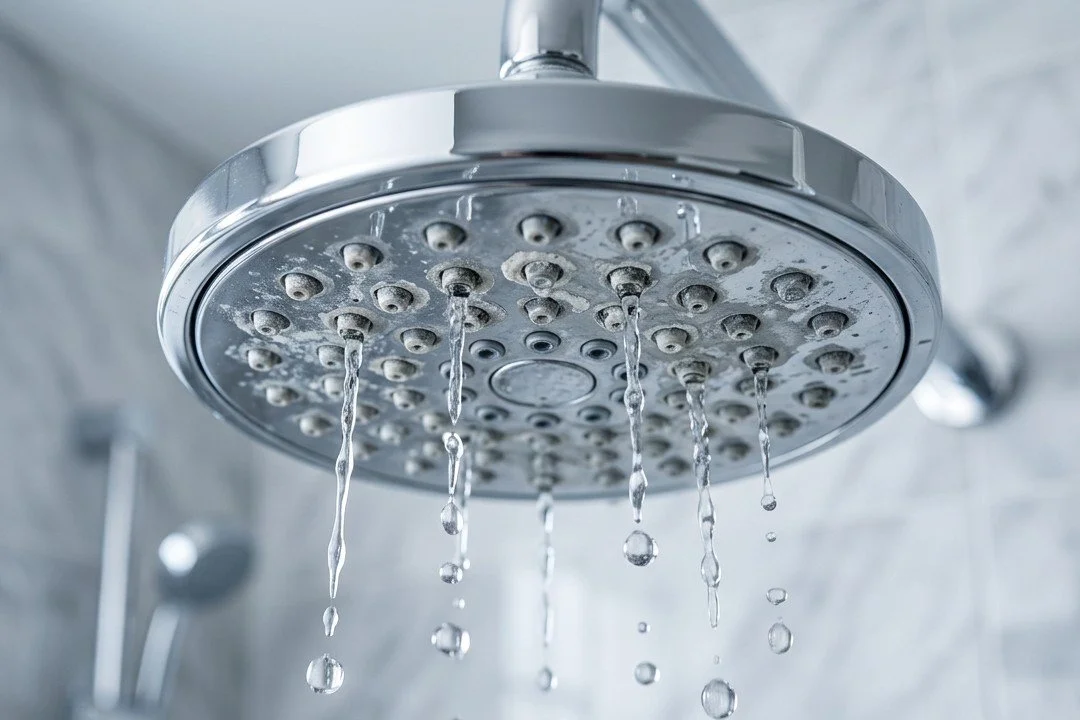
A clogged showerhead is a very common cause. Mineral deposits can block the small holes where water flows out, reducing both pressure and flow. Cleaning or replacing the showerhead can make a significant difference.
Another possibility is a faulty or ageing shower valve. These valves regulate the mix of hot and cold water, and when they wear out, they can restrict flow.
If you notice that only hot water has low pressure, the issue may lie with your water heater. Sediment build-up inside the tank can limit output and reduce pressure in the shower.
In some cases, low water pressure problems in the shower may also be linked to shared plumbing lines. Running appliances such as washing machines or dishwashers at the same time can divert water and reduce pressure temporarily.
How To Fix Low Water Pressure At Home
Before calling a professional, there are several steps you can take to fix low water pressure yourself.
Start with the basics. Check all shut-off valves to ensure they are fully open. Then inspect taps and showerheads for blockages. Soaking them in vinegar can help dissolve mineral deposits and restore proper flow.
Next, look for visible leaks around your home. Check under sinks, around appliances, and along exposed pipework. Fixing even a small leak can improve overall pressure.
If your home has a pressure regulator, it may need adjustment or replacement. These devices control incoming water pressure, and if they fail, they can reduce flow throughout the house.
For more persistent water pressure problems, flushing your plumbing system or installing a water pressure booster pump may provide a longer-term solution.
When Low Water Pressure Is A Plumbing Issue
Sometimes, low water pressure is not a quick fix and points to a deeper plumbing issue. Corroded or ageing pipes are a common example. As pipes deteriorate internally, they restrict water flow, making it difficult to maintain consistent pressure.
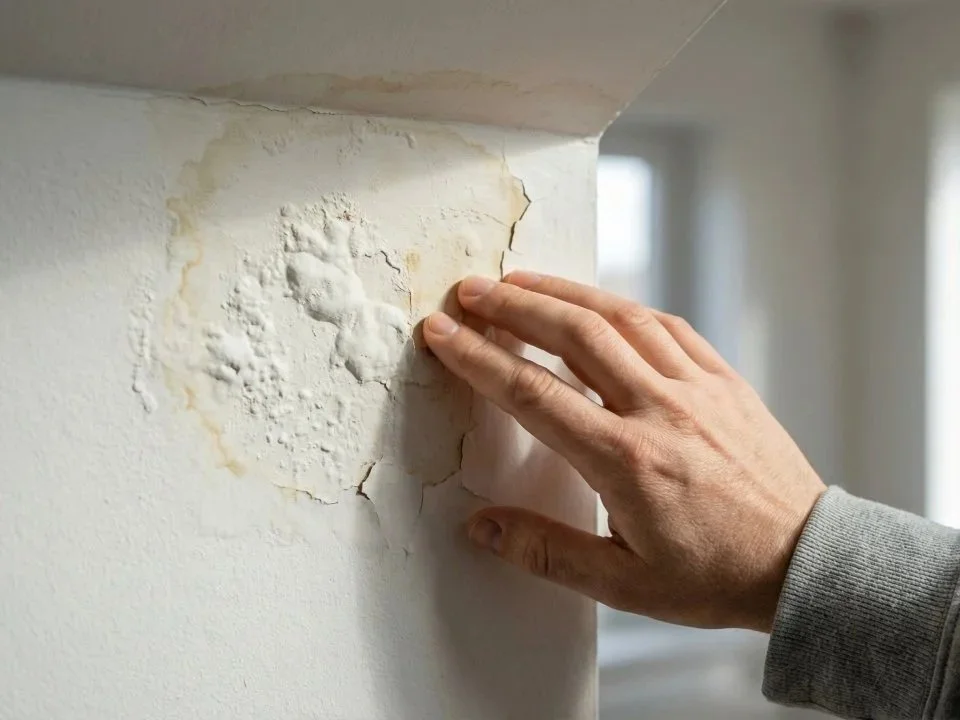
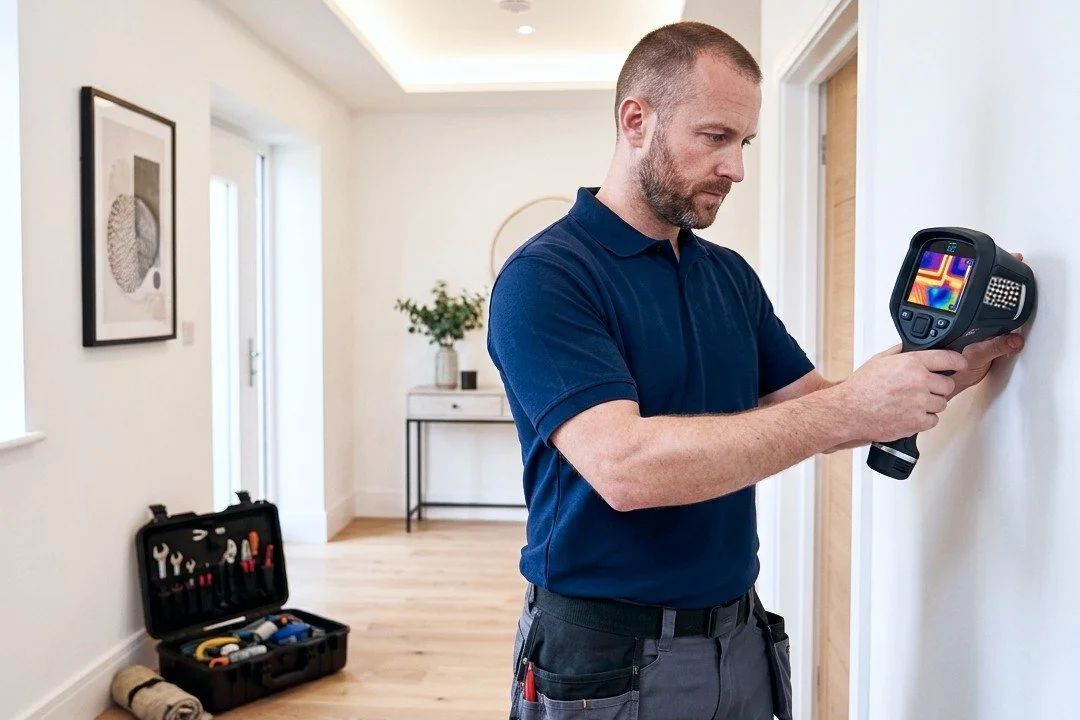
Hidden leaks within walls or underground can also be difficult to detect without specialised equipment. These leaks not only reduce pressure but can lead to more serious structural damage if left untreated.
Another potential issue is outdated plumbing design. Older homes may not be equipped to handle modern water demands, especially if multiple fixtures are used at once.
If you have tried basic fixes and the problem persists across your entire home, it is likely that the issue lies within your plumbing system rather than individual fixtures.
When To Call A Professional Plumber
There comes a point when DIY solutions are no longer enough. If you are experiencing ongoing low water pressure in house systems, or if the problem appears suddenly and without an obvious cause, it is time to seek professional help.
A qualified plumber can carry out a thorough inspection, identify hidden leaks, assess pipe condition, and recommend the most effective solution. They have the tools and expertise to resolve issues that are not visible or easily accessible.
You should also call a professional if you notice additional warning signs such as discoloured water, unusual noises in your pipes, or damp patches on walls and floors.