Low Water Pressure in Your Home? What Causes it and How to Fix It
Low water pressure has a way of slowly getting on your nerves.
At first you think it is just the shower playing up. Then you notice the kitchen tap is not much better. Eventually you realise it is not one fixture at all. It is the whole house.
If you are dealing with low water pressure whole house, it can make everyday things oddly frustrating. Filling the sink feels slow. The washing machine takes longer. And low water pressure in shower and taps at the same time usually means something is affecting the main system rather than just one outlet.
There are quite a few low water pressure causes, and they are not always as serious as people fear. Some are very simple. Others need a bit more digging.

What Is Considered Low Water Pressure?
In the United Kingdom, mains water pressure UK homes receive is not identical everywhere. It depends on your location, the layout of the local network, and sometimes even how high your property sits compared to the road.
Under water pressure UK regulations, suppliers must provide a minimum level of pressure to the boundary of your property. In practical terms, that usually means enough supply to run at least one tap properly. It does not guarantee powerful showers across the whole house at peak times.
It is also worth clearing up the confusion around water flow rate vs pressure. They are related, but not the same. Pressure is the force pushing the water through the pipes. Flow rate is the amount of water coming out over time. You can have reasonable pressure but poor flow if something is narrowing the pipes.
When everything feels weak rather than just one tap, that usually points to low water pressure whole house rather than a local blockage.
Common Causes of Low Water Pressure Across the Whole House
When pressure drops throughout the property, it is normally linked to either the incoming supply or the main internal plumbing.
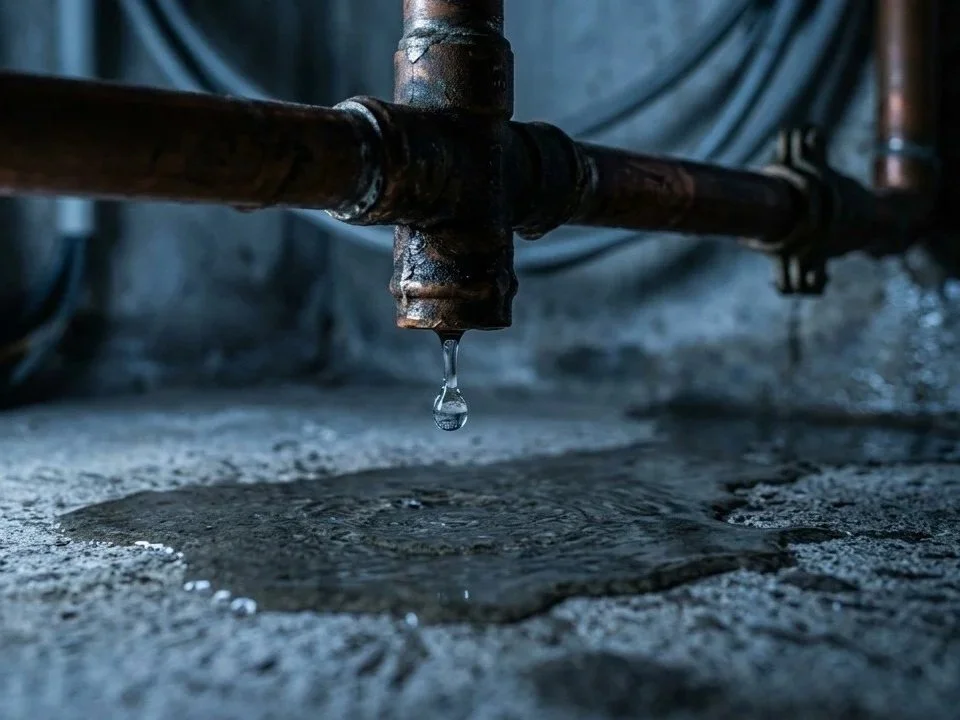
Some common low water pressure causes include a stopcock that is not fully open, ageing pipework that has narrowed over time, a small leak you have not yet noticed, or a problem with a water pressure regulator UK systems sometimes have installed.
Another scenario that comes up often is low water pressure after plumbing work. It might be as simple as a valve that has not been reopened completely. Sometimes debris moves inside the pipes during repairs and settles somewhere inconvenient.
If the change happened suddenly, that timing usually tells you something important.
Check the Stopcock, Water Meter and Internal Valves
It sounds basic, but start here.
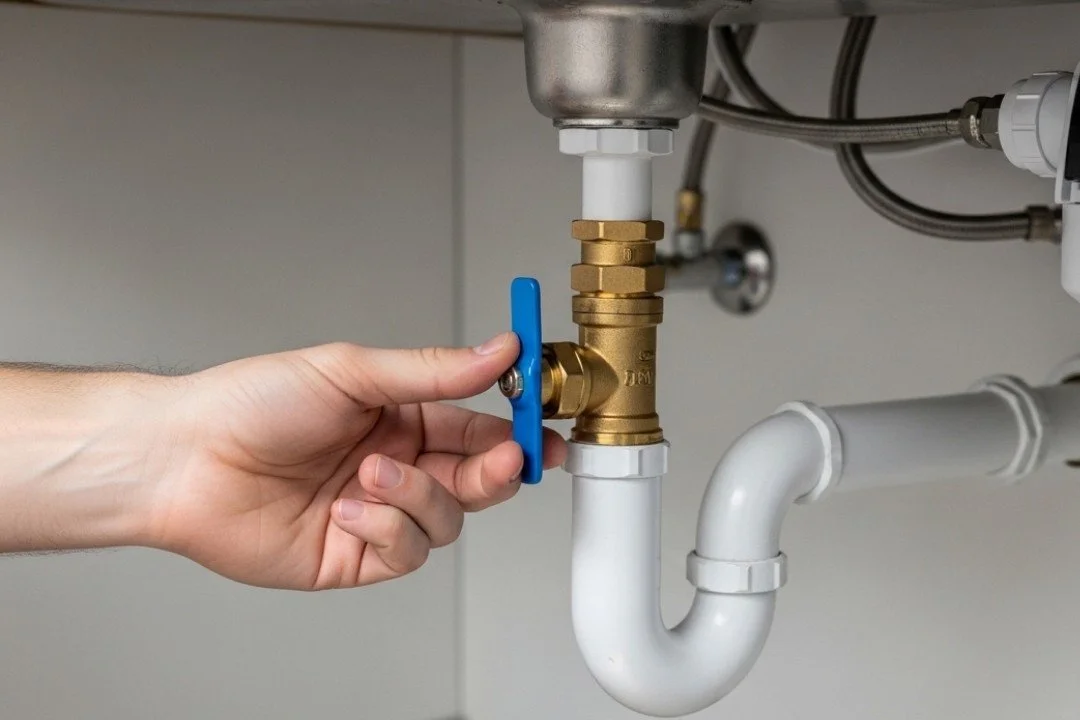
Check your internal stopcock. It is usually under the kitchen sink. Make sure it is fully open by turning it anti clockwise. Even being slightly closed can reduce flow more than you would expect.
If you have a water meter, look at the valves on either side of it. They can sometimes be left partially closed after maintenance.
Isolation valves behind appliances can also have an effect. These small things often explain low water pressure whole house more often than people realise.
Is the Issue with the Mains Supply or the Boiler?
Sometimes the problem is outside your property.
If neighbours are noticing the same drop, the mains water pressure UK supply may be temporarily reduced due to works or high demand.
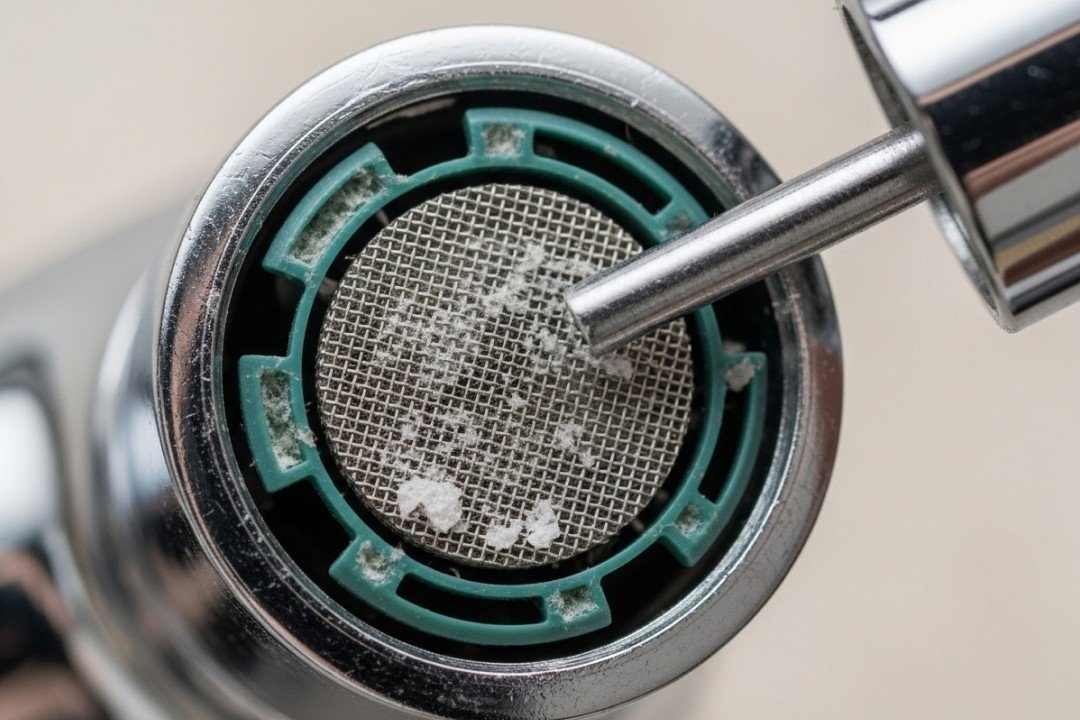
If it is only the hot water that feels weak, the issue could sit with the boiler. A combi boiler low water pressure issue is common and usually visible on the pressure gauge. Most systems should sit between 1 and 1.5 bar when cold. If it has fallen below that, the system may need repressurising.
If you are unsure how to do that safely, it is always better to speak with a qualified engineer.
Blocked Aerators, Filters and Old Pipework
If certain taps or the shower are worse than others, think smaller scale.
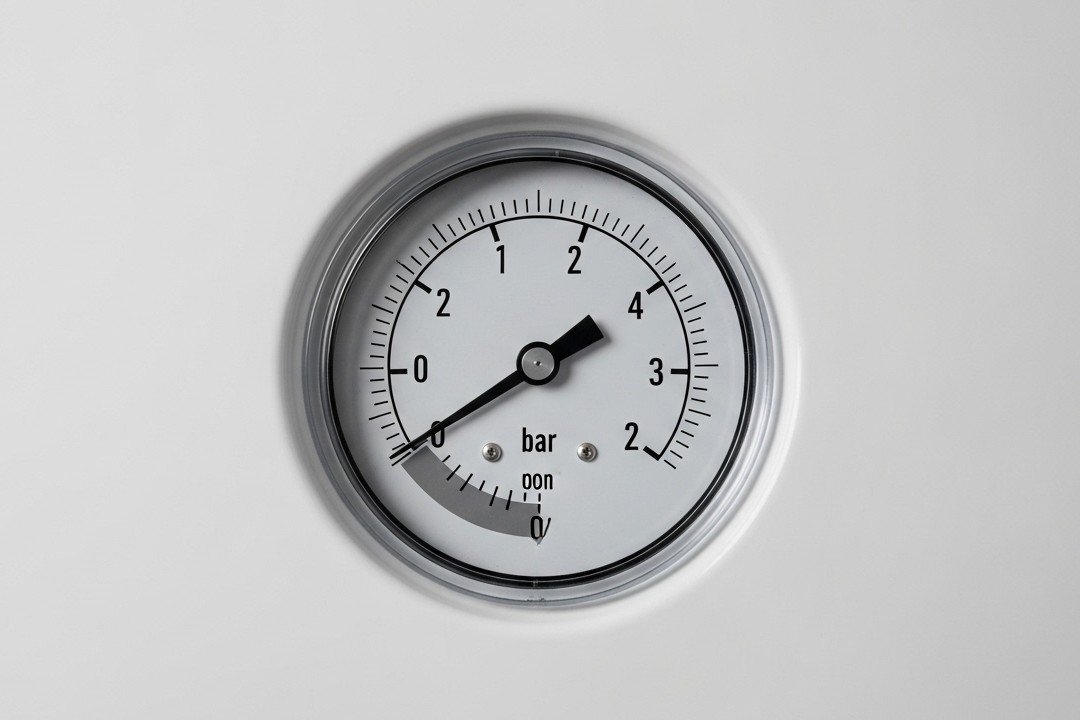
Limescale builds up inside tap aerators and shower heads, especially in hard water areas. That alone can cause noticeable low water pressure in shower and taps.
Older homes can have internal pipe corrosion that gradually narrows the space water can travel through. The incoming pressure may technically be fine, but the restriction inside the pipes limits performance.
It is not always dramatic. Sometimes it is just wear over time.
How to Test Water Pressure at Home
If you would rather not guess, you can attach a simple pressure gauge to an outside tap. This gives you a reading in bar and helps show whether the issue relates to mains water pressure UK supply or your internal system.
You can also do a basic flow test with a bucket and a timer. That helps you understand water flow rate vs pressure and whether restriction might be playing a part.
If readings are consistently low, you can then look at how to increase water pressure properly. That might involve adjusting or replacing a water pressure regulator UK systems use, installing a booster pump, or upgrading older pipework. The solution depends entirely on what you find.
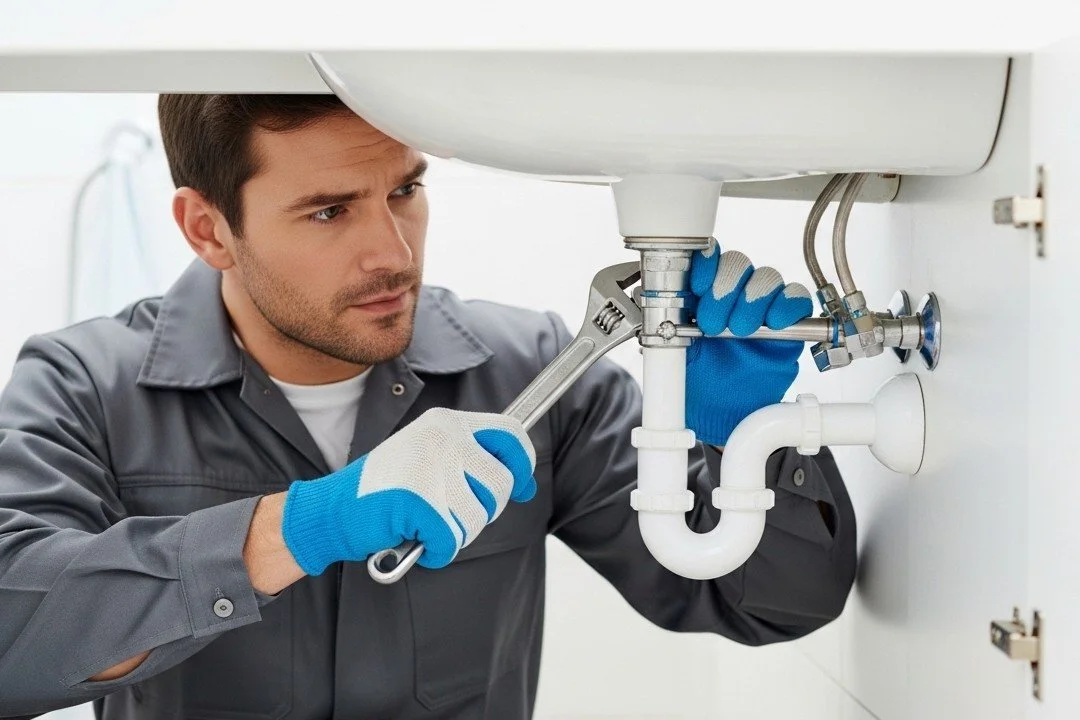
When to Contact Your Water Supplier or a Plumber
If you have worked through these checks and nothing improves, it is time to involve someone else.
Contact your water supplier if pressure appears unusually low across the area or if it seems to fall below water pressure UK regulations.
Contact a plumber if you suspect a leak, if combi boiler low water pressure keeps returning, or if low water pressure after plumbing work has not resolved.
Low water pressure in the whole house is frustrating, but it is rarely unsolvable. In many cases, the cause turns out to be something fairly straightforward once you start narrowing it down.