Fridge Not Cooling? Common Causes and How to Fix Them
So, I opened my fridge the other day and immediately noticed something was off. The air inside was… not cold. I mean, it was running, it made its usual hum, but when I touched the butter, it was soft. The milk? Definitely warmer than it should be. I sat there for a moment thinking, why is my fridge warm? and then, well, panic kind of set in.
A fridge not cooling properly is really annoying. You start worrying about the food going bad, drinks being warm, and suddenly, your kitchen feels like it is failing you. But here’s the thing – it does not always mean the fridge is broken. A lot of times it is something small, something you can fix yourself if you just take a few minutes to investigate.
How to Get Rid of Bad Smells from Sinks? Causes and Solutions
House Moving Checklist UK: What You Should Do Prior to, During and After Your Move

Signs Your Fridge Isn’t Cooling Properly
Honestly, fridges tend to give little hints before they completely fail, but they are easy to miss. A few days ago, I noticed my orange juice wasn’t as cold as usual. I shrugged it off. Big mistake. Then came the milk, then the leftovers… you get the picture.
Other signs? Condensation building up where it should not be, a faint smell that keeps hanging around, or drinks that feel… well, sort of cool, but never properly cold. Sometimes the fridge sounds normal, but you can just tell when something is off. If you are noticing that your fridge is not cold enough, it probably isn’t, and it is worth paying attention.
Why Does a No-Frost Fridge Stop Cooling?
My fridge is a no-frost model. I thought it meant I would never have to worry about ice. Turns out… not really. Just because you cannot see ice does not mean everything is fine.
Most often, the problem is airflow. The vents at the back were partially blocked by a tall bottle I had shoved in there without thinking. The fan that pushes the cold air around was struggling. And, as I later read online, sometimes the defrost system quietly fails and ice builds up behind panels where you cannot see it. So yeah, even a freezer that seems fine doesn’t always mean the fridge section is okay.
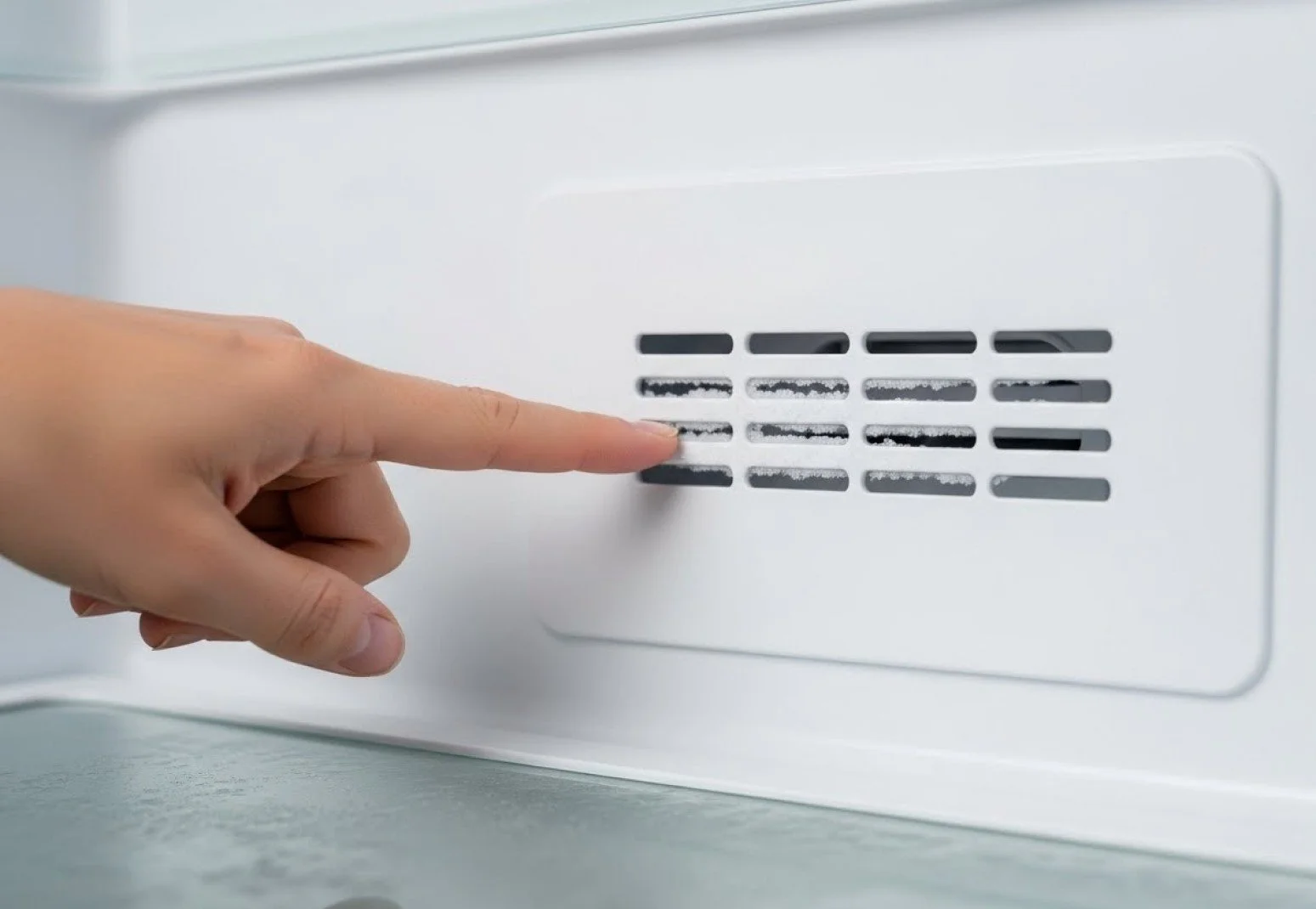
Why Doesn't the Bottom Section of the Fridge Cool?
This is something I had not noticed before, but the bottom shelves were always warmer. It makes sense – blocked vents, door seals that are not sitting properly, things like that. Even the way you put food in there affects it.
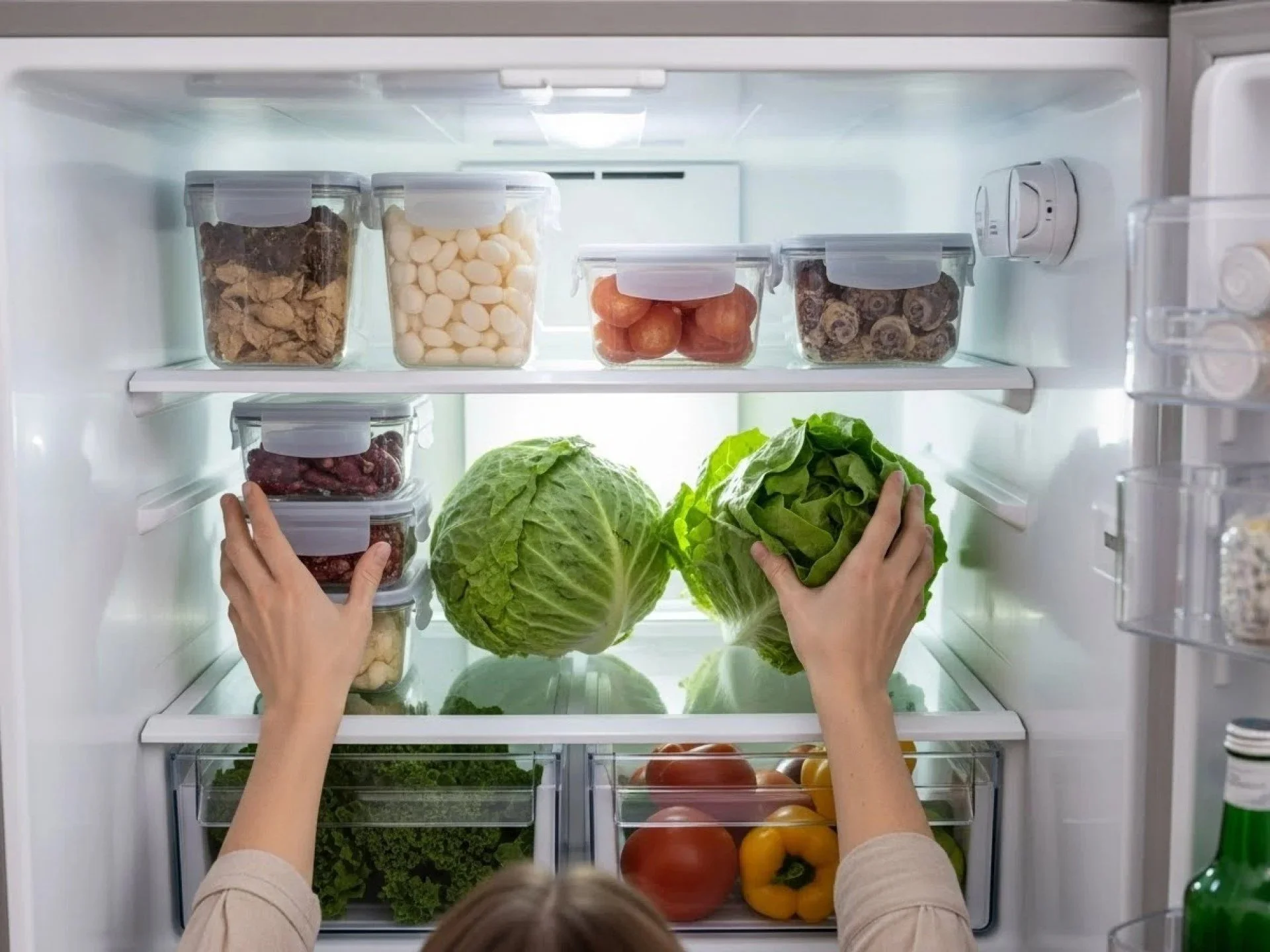
I found that simply rearranging some items and checking the seals made a difference. The bottom of the fridge is usually where issues show up first, so it is worth a quick look before panicking.
Practical DIY Fixes You Can Try at Home
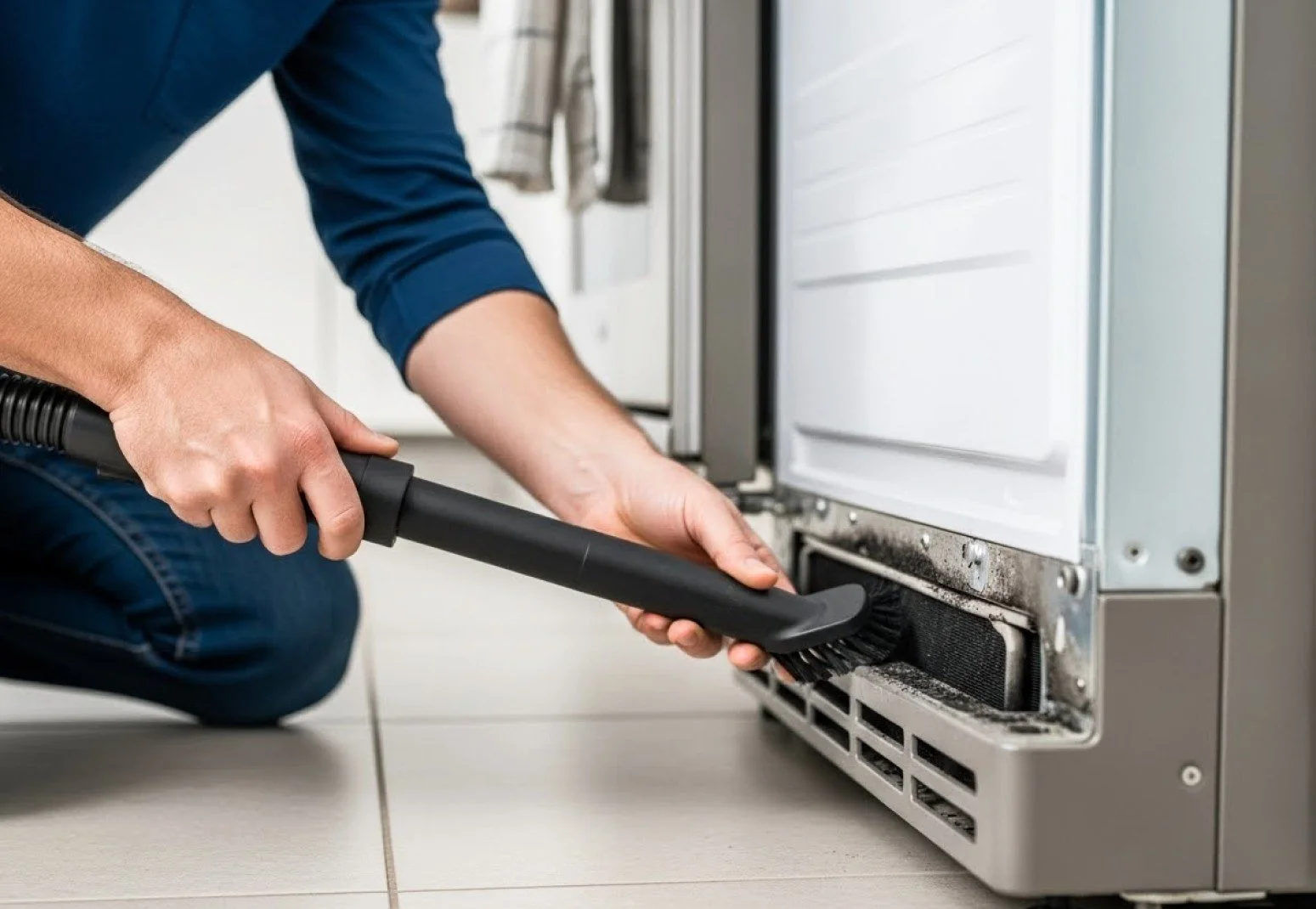
I tried a few things myself before calling anyone. First, check the thermostat – mine had been nudged slightly warmer, probably by accident. Then I cleaned the condenser coils at the back. Dust can make the fridge work harder than it needs to. I rearranged the food to allow airflow and gave the door seals a good clean.
And yes, I tried the classic trick: unplugging it for ten minutes and plugging it back in. Sounds too simple, but honestly, sometimes it works. After all that, my fridge started cooling properly again. Crisis averted.

When You Should Get Professional Help
Of course, not everything is fixable at home. If you try all of the above and it is still not cold, making strange noises, or stops cooling completely, you need a professional. Things like compressors, refrigerant leaks, and electrical issues are not safe to handle yourself.
Getting a technician early can prevent bigger problems, protect your food, and save money in the long run. Trust me, it is better to act sooner rather than later.