Kitchen Fitting: What to Expect and How to Prepare
A new kitchen can completely change the way your home looks and feels. Whether you are replacing an outdated kitchen or creating a space from scratch, the process can be exciting. It can also feel a little overwhelming once you realise how many different jobs are involved.
From removing old units and preparing the walls to installing cabinets, worktops, appliances and plumbing, there is more to kitchen fitting than simply putting cupboards in place. Knowing what to expect can make the whole experience much easier to manage.
If you are planning a new kitchen installation, this guide explains how the process usually works, how long it can take and what you can do to prepare your home.
How to Remove Wallpaper: Best Methods Without Damaging the Wall
How to Paint a Fence: Preparation, Steps and Best Time to Do It
How to Get Rid of Ants in the House: Causes and Long-Term Solutions

What Does Kitchen Fitting Involve?
Kitchen fitting covers all the work needed to turn an empty or prepared space into a fully functioning kitchen. Depending on the project, this can include removing the old kitchen, preparing the walls and floors, installing units and worktops, connecting appliances and carrying out plumbing or electrical work.
A typical kitchen fitting project may involve:
Removing existing cabinets, worktops and appliances
Preparing walls and floors for the new kitchen
Installing base and wall units
Fitting worktops, splashbacks and other finishes
Installing sinks and taps
Connecting appliances such as ovens, hobs, dishwashers and washing machines
Carrying out plumbing and electrical work where needed
Fitting handles, doors, drawers and finishing touches
The exact work depends on the kitchen you have chosen and the condition of your existing space. A straightforward replacement may require less work than a complete kitchen renovation where the layout, plumbing or electrics are being changed.
This is why it is important to discuss the full scope of the project with your kitchen fitters before work begins. It gives everyone a clear idea of what needs to be done and helps avoid surprises later.
How Long Does a Kitchen Take to Fit?
So, how long does a kitchen take to fit? There is no single answer because every kitchen is different.
A relatively simple kitchen replacement may take around a few days to a week, while a larger project involving structural changes, new plumbing, electrical work or flooring can take considerably longer.
Some of the factors that can affect the timeline include:
The size and layout of the kitchen
Whether the old kitchen needs to be removed
The condition of the walls and flooring
Whether plumbing needs to be moved
Whether new electrical circuits are required
The type of units and worktops being installed
The number of appliances being fitted
Whether flooring, tiling or decorating is included
Availability of materials and appliances
It is also worth remembering that the physical fitting is only one part of the process. If worktops need to be measured and manufactured after the units are installed, for example, this can add extra time to the project.
Before work starts, ask your fitter for an estimated schedule and check which jobs are included. A clear timeline can make it much easier to plan around the disruption.
What Is the Order of Works in a Kitchen Installation?
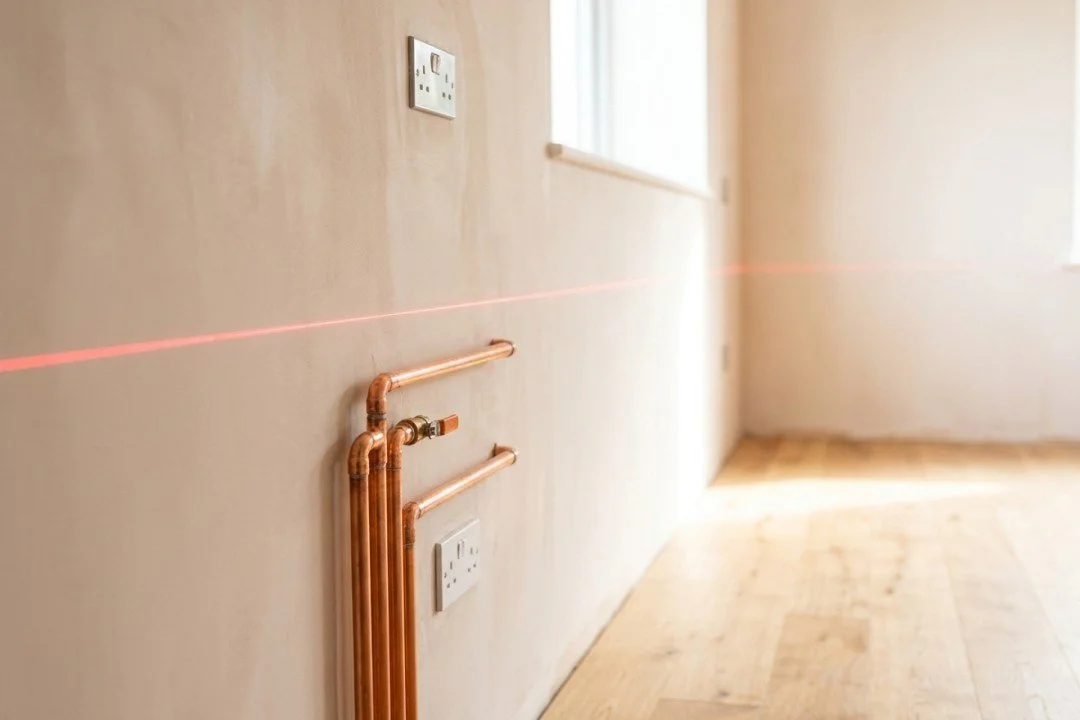
The kitchen installation process usually follows a logical order, although the exact sequence can vary depending on the project.
A typical fitting a kitchen project may look something like this:
1. Preparation and removal
The old kitchen is removed if necessary, and the space is cleared so the new installation can begin.
2. Plumbing and electrical work
If the new kitchen has a different layout, plumbing and electrical points may need to be moved before the units are installed.
3. Wall and floor preparation
Walls and floors are checked and levelled where necessary. Any repairs or preparation should ideally be completed before the new units go in.
4. Flooring
Depending on the type of flooring and the installation plan, flooring may be fitted before or after the kitchen units. This is something to confirm with your fitter before work starts.
5. Kitchen units
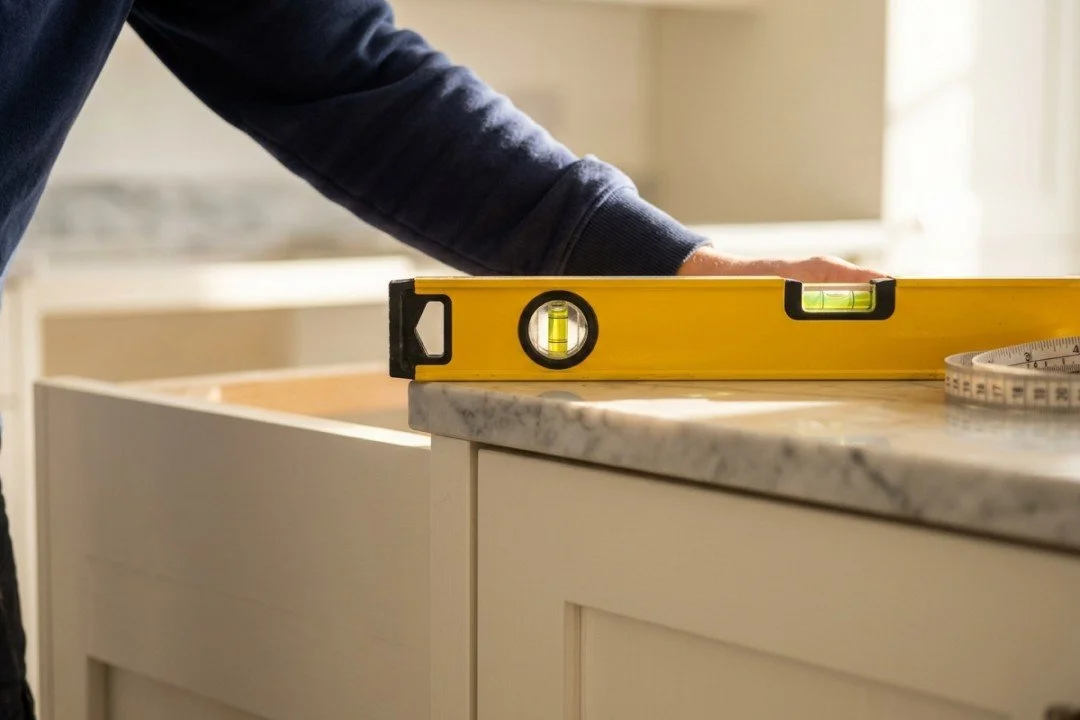
Base units are positioned and levelled first, followed by wall units where applicable. Getting the units correctly aligned is important because the worktops and other elements will be fitted around them.
6. Worktops and sink
Once the units are securely installed, worktops can be fitted, followed by the sink, taps and other components.
7. Appliances
Ovens, hobs, dishwashers, washing machines and other appliances are fitted and connected as appropriate.
8. Finishing touches
Doors, handles, plinths, panels, splashbacks and other finishing details are added. Any final plumbing, electrical or decorating work can then be completed.
Having a clear order of works helps different trades work efficiently and reduces the risk of one job interfering with another.
How Should You Prepare Your Home Before Fitting Starts?
Preparing for a new kitchen is not just about choosing cabinets and worktops. A little preparation before the fitters arrive can make the project much smoother.
Start by clearing the kitchen as much as possible. Remove food, cookware, small appliances and anything else that could get in the way. If you have valuable or fragile items stored nearby, move them somewhere safe.
It is also a good idea to protect areas of your home that connect to the kitchen. Dust, dirt and materials can easily travel into hallways and adjoining rooms, particularly if old units or flooring are being removed.
Before the work begins, make sure you have confirmed:
The final kitchen design and layout
Which appliances are being installed
Where plumbing and electrical points will be located
Which trades are included in the project
Whether removal of the old kitchen is included
Whether flooring, tiling and decorating are included
Where materials and appliances will be stored
The expected start and completion dates
You should also check that everything you need for the installation has arrived before the fitting starts. Missing units, appliances or other components can bring the project to a frustrating standstill.
How Do You Manage Without a Kitchen During the Work?
Even a relatively quick kitchen installation can make everyday life more difficult for a few days. Cooking, washing dishes and even making a cup of tea can suddenly become much less convenient.
If possible, set up a temporary kitchen somewhere else in your home. A kettle, microwave, toaster, mini fridge and a few basic utensils can be surprisingly useful.
Think about simple meals that require little or no cooking, and keep plates, mugs and cutlery somewhere easy to reach. You may also want to prepare and freeze a few meals before the work starts.
Try to keep the temporary setup away from the main work area. This gives you a cleaner and safer space to use while the kitchen is being fitted.
Most importantly, remember that some disruption is normal. Having a plan in place beforehand can make the temporary inconvenience much easier to handle.

What Questions Should You Ask Your Kitchen Fitter?
Before hiring kitchen fitters, it is worth asking a few questions so you know exactly what you are getting.
For example:
How long do you expect the kitchen fitting to take?
What work is included in the quote?
Do you remove the old kitchen?
Do you handle plumbing and electrical work?
Will you fit appliances?
Do you install flooring or tiles?
Who supplies the materials and fittings?
What happens if something arrives damaged or is missing?
Will you dispose of the old units and waste?
When can the work start?
What happens if the project takes longer than expected?
Do not be afraid to ask for clarification if something in the quote or schedule is unclear. It is much easier to resolve questions before work begins than once the kitchen is already being installed.
A good fitter should also be able to explain the kitchen installation process in a way that makes sense to you, including what needs to happen before they arrive and what other trades may be required.
Get Help with Kitchen Fitting on HomeRun
Finding reliable professionals can be one of the most important parts of planning a new kitchen. From installing cabinets and worktops to coordinating the different jobs involved, experienced professionals can help make the process much easier.
On HomeRun, you can find kitchen fitters who can help with your project. Share what you need, compare professionals and choose someone who is right for the job.
Whether you are replacing a small kitchen or planning a complete renovation, getting the right help can take some of the stress out of fitting a kitchen.
Do kitchen fitters remove the old kitchen?
This depends on the fitter and the service you book. Some kitchen fitters offer removal and disposal of the old kitchen, while others focus only on installing the new one.
Always check what is included before booking. If removal is not included, you may need to arrange this separately or ask whether the fitter can add it to the job.

Can you live in the house during a kitchen fit?
Yes, in most cases you can live in your home while a kitchen is being fitted. However, you should expect some noise, dust and disruption, particularly while the old kitchen is being removed or walls and floors are being prepared.
The biggest challenge is usually not having access to your normal cooking and washing facilities. Setting up a temporary kitchen in another room can make a big difference.
If you have young children, pets or anyone in the household who may be particularly affected by noise and dust, discuss this with your fitter before work begins so you can plan accordingly.
What comes first, flooring or kitchen units?
There is no universal answer because it depends on the type of flooring and the design of your kitchen.
Some flooring can be installed before the kitchen units, while other types are fitted after the cabinets are in place. For example, installing certain hard flooring throughout the entire room before the units can create a continuous finish, while other flooring may be fitted around the units.
The best approach is to confirm the sequence with your kitchen fitter before installation begins. They can recommend the right order based on the materials being used, the kitchen design and the rest of the work involved.
A little planning before the first cabinet arrives can save a lot of stress later. With the right preparation, a clear schedule and experienced professionals, your new kitchen can go from a disruptive building project to a space you are excited to use every day.