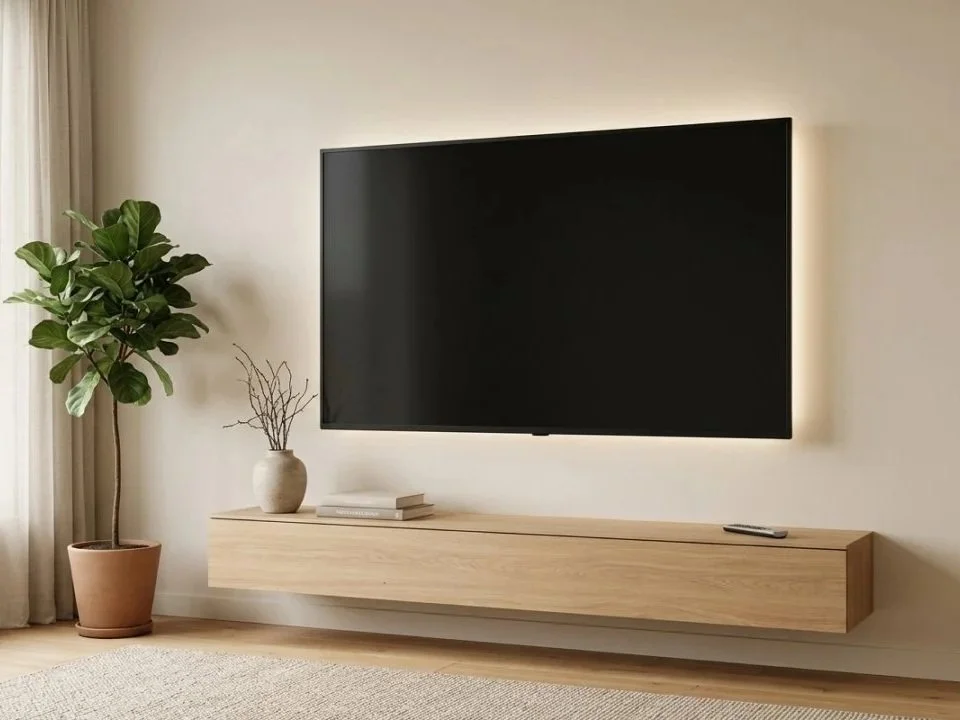
How to Mount a TV on the Wall: Plasterboard and Brick Explained
A wall-mounted TV can completely transform a room. It saves floor space, creates a cleaner look and can even improve your viewing experience when positioned correctly. However, tv wall mounting is not just about drilling a few holes and hanging the television. The type of wall, the bracket you choose and the way you secure the fixings all make a big difference.
Whether you are wondering how to mount a TV on the wall, planning mounting a TV yourself, or deciding whether to hire a professional, this guide covers everything you need to know.
How to Paint a Fence: Preparation, Steps and Best Time to Do It
How to Get Rid of Ants in the House: Causes and Long-Term Solutions
How to Clean Gutters Safely: Tools, Steps and When to Get Help

What Should You Check Before Mounting a TV?
Before you pick up a drill, spend a few minutes planning the installation. It can save you from costly mistakes later.
Here are the main things to check:
The size and weight of your TV.
The type of wall you are mounting it on.
The viewing position from your sofa or seating area.
The location of nearby power sockets.
Whether you will need to hide or organise cables.
The VESA mounting pattern on the back of the television.
You should also make sure your chosen wall has enough strength to support both the television and the bracket. This is especially important if you are thinking about how to mount a TV on plasterboard, as not every plasterboard wall can safely hold heavier televisions without additional support.
Which TV Bracket Do You Need: Fixed, Tilting or Full-Motion?
Choosing the right bracket is just as important as choosing the right fixings. A good TV bracket installation starts with selecting a mount that suits both your television and the way you watch it.
Fixed bracket
A fixed bracket keeps the TV close to the wall and provides a sleek, minimalist finish. It works well when your seating area is directly in front of the screen.
Tilting bracket
A tilting bracket allows you to angle the television slightly up or down. This is useful if the TV will be mounted higher than eye level, such as above a fireplace.
Full-motion bracket
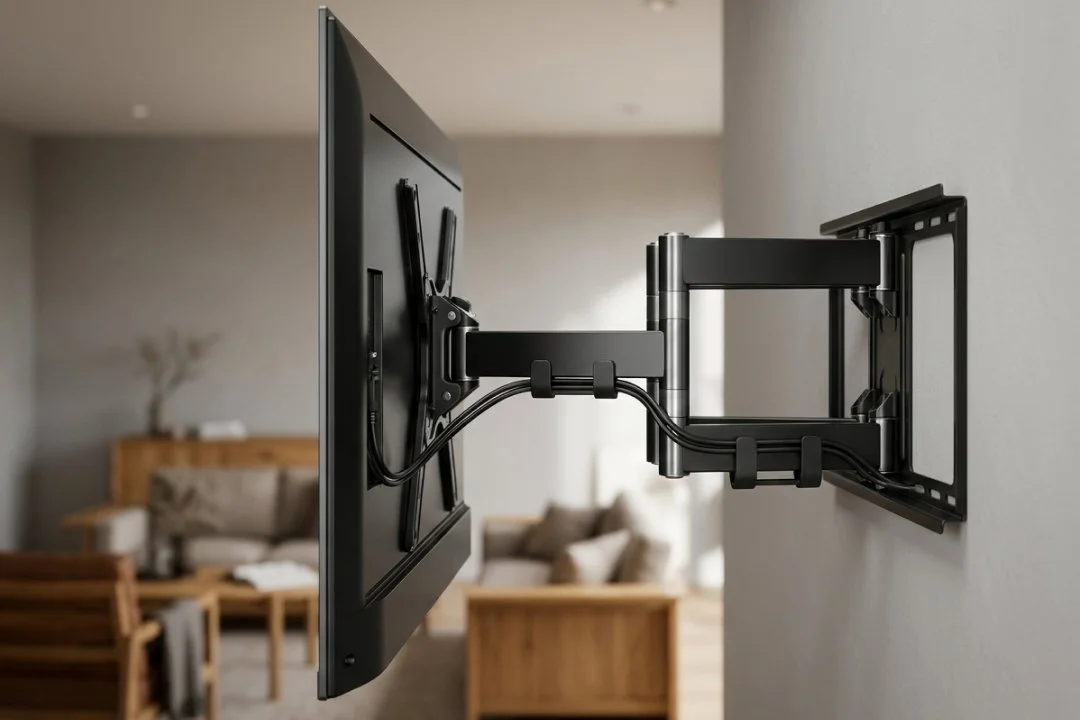
Also known as an articulating bracket, this option lets you pull the TV away from the wall and swivel it from side to side. It offers the greatest flexibility but places more strain on the wall, making secure installation even more important.
How Do You Find Studs, Cables and Pipes Before Drilling?
Drilling into the wrong place can cause expensive damage or create a safety risk.
Before drilling any holes:
Use a stud finder to locate timber or metal studs.
Use a cable and pipe detector to check for hidden utilities.
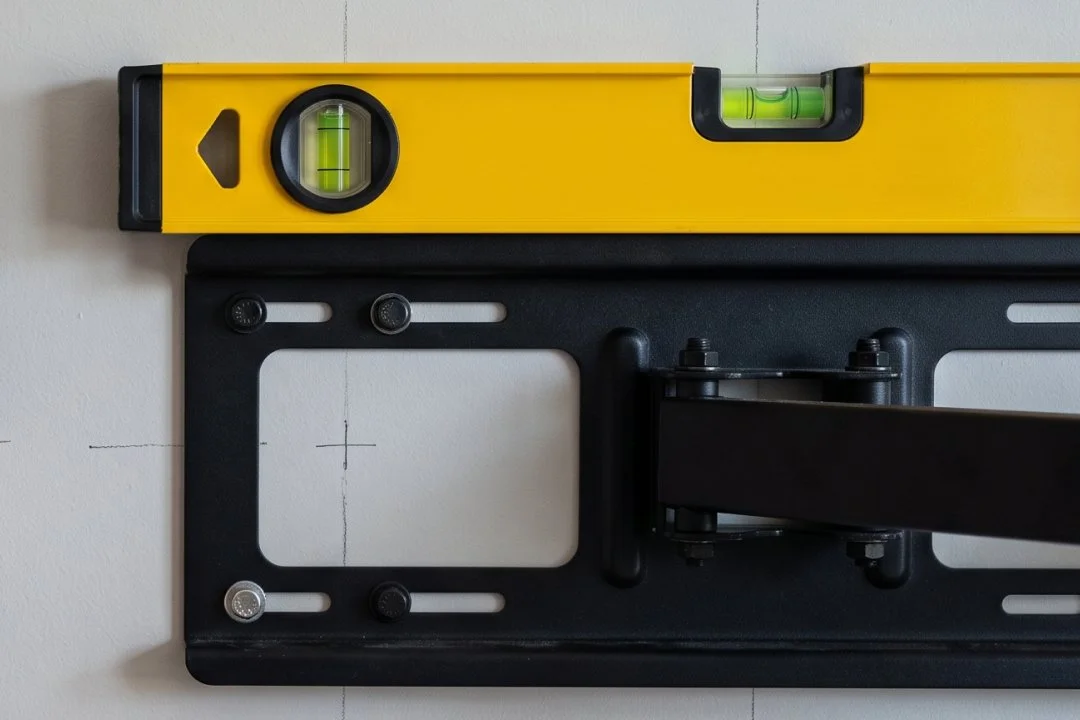
Measure carefully before marking the drilling points.
Double-check that the bracket will sit level using a spirit level.
If you cannot locate studs in a plasterboard wall, you may need specialist fixings or additional support depending on the weight of the TV.
How to Mount a TV on a Plasterboard Wall
Many people ask how to mount a TV on plasterboard because plasterboard alone is not always strong enough to support a television safely.
If the bracket lines up with timber studs behind the plasterboard, the installation is usually much stronger. The bracket can be fixed directly into the studs using suitable screws.
If there are no studs where you want to position the TV, you may need heavy-duty cavity fixings or install a plywood backing board to spread the load. Larger televisions often require extra reinforcement.
When mounting a TV on plasterboard:
Locate any available studs.
Mark the bracket position.
Check the wall for cables and pipes.
Drill the fixing holes.
Install suitable fixings.
Secure the bracket firmly.
Attach the TV according to the manufacturer's instructions.
Check everything is level before letting go of the television.
If you have any doubts about the wall strength, it is safer to have the installation completed by a professional.
How to Mount a TV on a Brick Wall
If you are mounting TV on brick wall, you generally have a much stronger surface to work with.
The basic process is:
Position and level the bracket.
Mark the fixing holes.
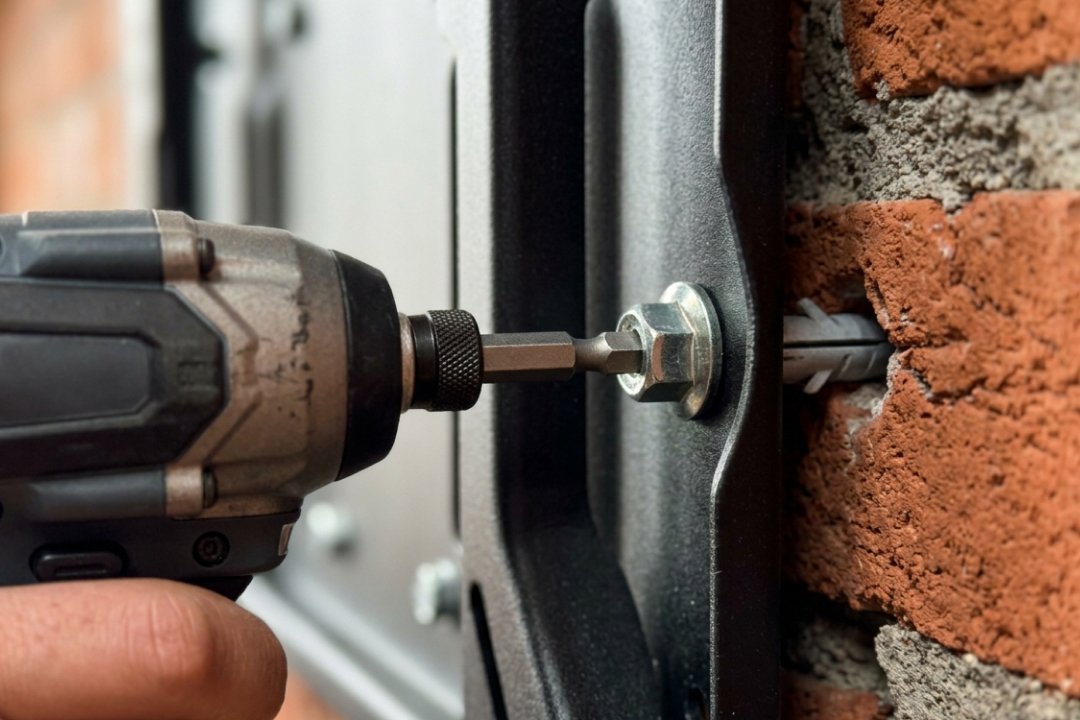
Drill into the brick using a masonry drill bit.
Insert suitable wall plugs.
Secure the bracket using heavy-duty screws.
Attach the television and check it is level.
Avoid drilling into mortar joints whenever possible, as solid brick usually provides a stronger fixing.
What Height Should a Wall-Mounted TV Be?
Getting the TV wall mount height right makes viewing much more comfortable.
As a general guide, the centre of the screen should sit roughly at eye level when you are seated. This works well for most living rooms.
The ideal height also depends on:
The size of the television.
Your seating position.
The distance between the sofa and the TV.
Whether the screen will tilt.
If the TV is mounted above a fireplace or higher than normal, a tilting bracket can help improve the viewing angle.
Get Help with TV Wall Mounting on HomeRun
Although many people enjoy DIY projects, TV wall mounting can become more complicated than expected. Heavy televisions, plasterboard walls and hidden cables all require careful planning.
A professional can:
Recommend the right bracket.
Secure the TV safely.
Hide or neatly manage cables.
Position the screen at the ideal viewing height.
Complete the installation quickly and safely.
Whether you have a lightweight bedroom television or a large home cinema screen, professional installation gives you extra peace of mind.
Can plasterboard hold a TV?
Yes, but it depends on the weight of the TV and how it is installed. Smaller televisions can often be mounted using suitable heavy-duty cavity fixings. Larger or heavier TVs are usually best secured into wall studs or additional structural support behind the plasterboard.
What size drill bit do you need for a brick wall?
The correct drill bit depends on the wall plugs and fixings supplied with your bracket. Most TV wall brackets include instructions that specify the required masonry drill bit size. Always match the drill bit to the wall plug rather than guessing.
Should a TV be centred on the wall?
Not necessarily. While centring the TV often creates a balanced appearance, it is more important to centre it with your seating position. In some rooms, furniture layout or architectural features mean the television looks and functions better slightly off-centre.