How to Remove Wallpaper: Best Methods Without Damaging the Wall
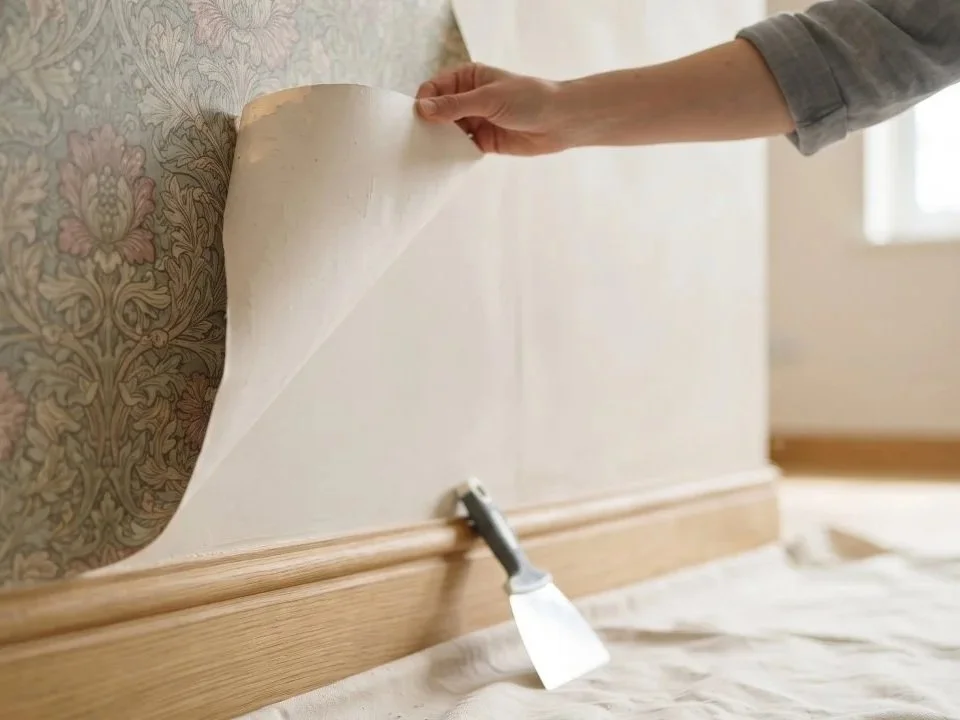
Wallpaper can completely transform a room, but removing it is often a job that homeowners underestimate. Some wallpaper peels away in large sheets, while other types seem determined to stay on the wall forever. Rushing the process can damage plaster, leave behind stubborn adhesive or create extra repair work before you even begin decorating.
The good news is that with the right tools and a little patience, wallpaper removal does not have to be difficult. Whether you are renovating an older property or simply updating your décor, knowing how to remove wallpaper properly will save time, protect your walls and give you a much better finish when it is time to paint or hang new wallpaper.
How to Clean Gutters Safely: Tools, Steps and When to Get Help
How to Get Rid of Ants in the House: Causes and Long-Term Solutions
How to Paint a Fence: Preparation, Steps and Best Time to Do It

Why Does Wallpaper Removal Need Care on Older Walls?
Older homes often have delicate plaster walls that can be easily damaged if wallpaper is pulled away too quickly. Over the years, wallpaper adhesive becomes harder, and multiple layers of wallpaper may have been applied without removing the previous ones.
If you force the wallpaper off, you could remove chunks of plaster along with it. Repairing damaged plaster is much more time-consuming than taking care during the wallpaper removal process.
Before starting, inspect a small section of the wall. If the wallpaper lifts easily, the job may be straightforward. If it resists, you will probably need water or steam to soften the adhesive first.
What Tools Do You Need to Remove Wallpaper?
Having the right equipment makes removing wallpaper much easier.
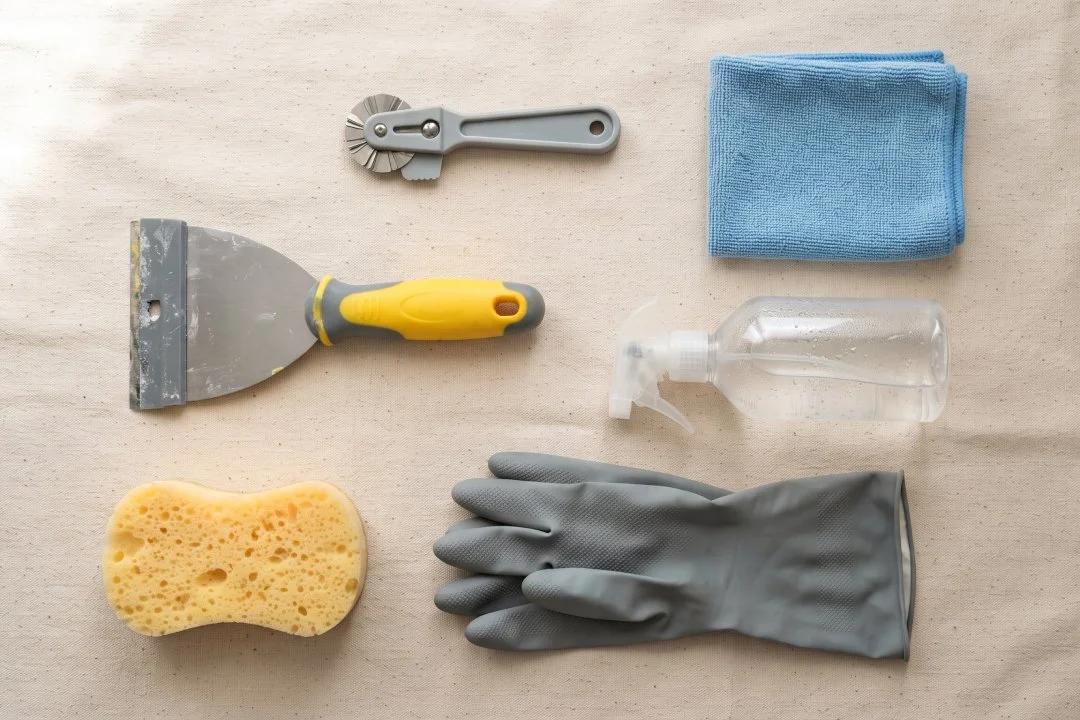
You will usually need:
Dust sheets to protect floors and furniture
A filling knife or wallpaper scraper
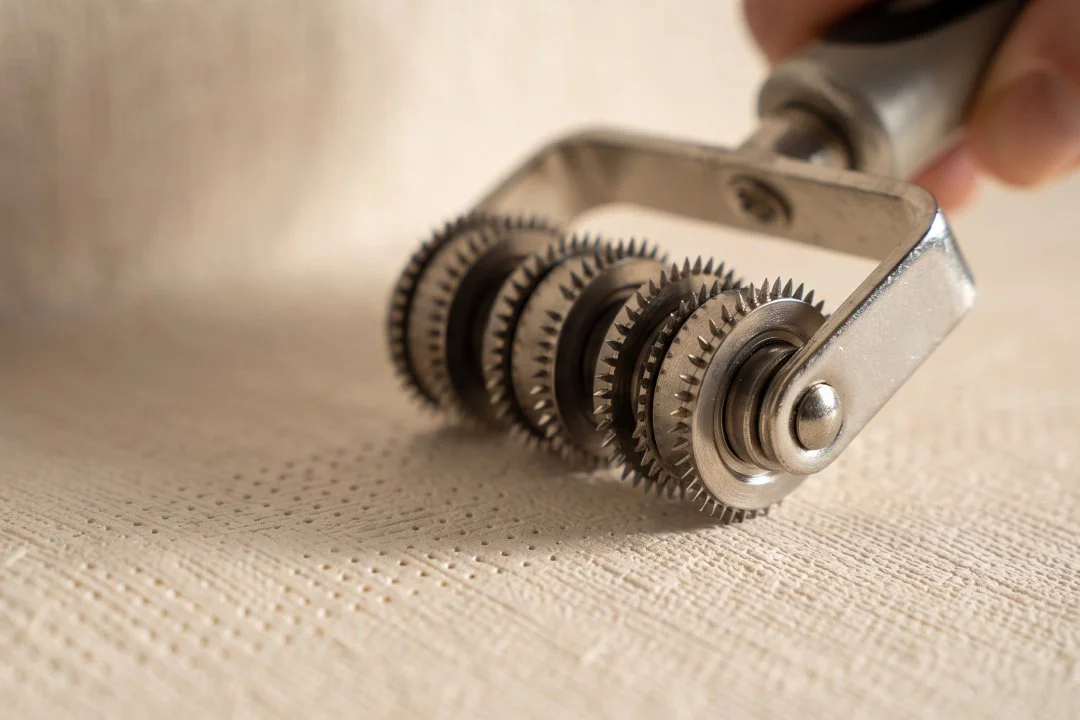
A scoring tool for vinyl wallpaper
A bucket of warm water
A sponge or spray bottle
Washing-up liquid or wallpaper remover solution
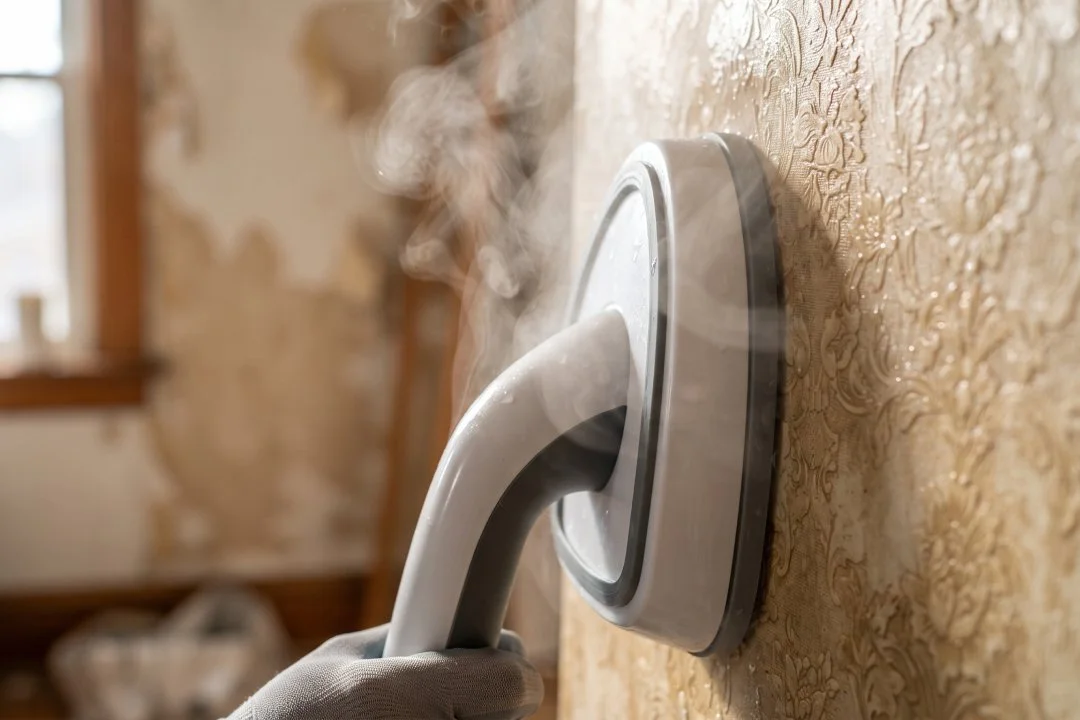
A wallpaper steamer for stubborn wallpaper
Clean cloths
Safety gloves
For older plaster walls, use plastic scrapers where possible. They are less likely to gouge the surface than metal blades.
Scoring, Soaking or Steaming: Which Method Works Best?
There is no single best way to remove wallpaper because it depends on the type of wallpaper and how it was installed.
Soaking
For traditional paper wallpaper, warm water mixed with a small amount of wallpaper remover solution often works well. The water softens the adhesive, allowing the paper to peel away more easily.
Scoring
Vinyl wallpaper has a waterproof surface that prevents water from reaching the adhesive underneath. A scoring tool creates tiny holes so moisture can soak through.
Be gentle when scoring. Pressing too hard can damage the wall beneath.
Steaming
A wallpaper steamer is often the quickest solution for older wallpaper or several layers of paper. The steam softens the glue, making the wallpaper much easier to scrape away.
However, avoid holding the steamer in one place for too long, especially on plaster walls, as excessive heat and moisture can weaken the surface.
How to Remove Wallpaper Step by Step
If you are wondering how to strip wallpaper, following a clear process helps prevent unnecessary damage.
1. Prepare the room
Remove pictures, switch covers and furniture where possible. Cover floors with dust sheets and switch off electricity if you are working near sockets.
2. Test a corner
Start at a loose edge or corner. Sometimes modern wallpaper peels away without much effort.
3. Score waterproof wallpaper
If the wallpaper has a vinyl coating, lightly score the surface to help water or steam penetrate.
4. Apply water or steam
Soak the wallpaper with warm water or use a wallpaper steamer according to the manufacturer's instructions.
Allow several minutes for the adhesive to soften.
5. Scrape carefully
Use a wallpaper scraper or filling knife to lift the paper gently. Work slowly and avoid forcing stubborn sections.
6. Remove leftover adhesive
After the paper has been removed, wash the walls with warm water to remove any remaining glue.
7. Allow the wall to dry
Leave the wall to dry completely before filling holes, sanding or decorating.
Following these steps is the safest best way to remove wallpaper while reducing the risk of damaging the wall.
How Do You Remove Stubborn or Painted-Over Wallpaper?
Some wallpaper can be particularly difficult to remove, especially if it has been painted over or installed decades ago.
In these cases:
Score the surface thoroughly.
Use repeated applications of warm water.
Work in small sections.
Allow more soaking time before scraping.
Use a wallpaper steamer for particularly stubborn areas.
If several layers of wallpaper have been applied over the years, remove one layer at a time rather than trying to strip everything at once.
Many people searching how to remove wallpaper without damaging plaster make the mistake of using excessive force. Patience usually gives much better results than strength.
What Should You Do If the Plaster Is Damaged?
Even with careful work, small areas of plaster may become damaged.
Minor repairs are usually simple:
Remove any loose plaster.
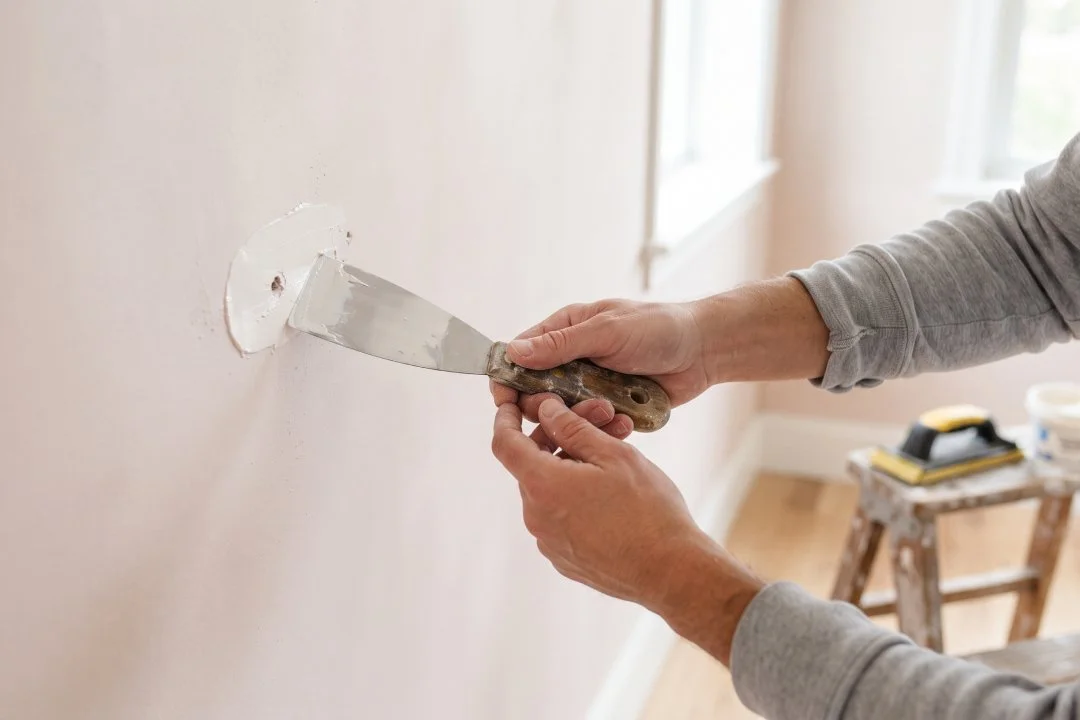
Apply filler to small holes.
Allow it to dry completely.
Sand until smooth.
Apply a suitable primer before painting or wallpapering.
If large sections of plaster have come away or the wall feels loose, it is worth asking a professional plasterer to inspect the damage before decorating.
Get Help with Wallpaper Removal on HomeRun
Sometimes wallpaper removal takes much longer than expected, especially in older properties with multiple layers of wallpaper or delicate plaster walls.
If you would rather leave the hard work to an experienced professional, HomeRun makes it easy to compare trusted decorators and wallpaper specialists near you. You can receive multiple quotes, read genuine customer reviews and choose the professional that best suits your project and budget.
Whether you need help with removing wallpaper, repairing damaged plaster or preparing walls for painting, finding the right expert can save you hours of work and help achieve a smooth, professional finish.
Is it better to steam or soak wallpaper?
Is it better to steam or soak wallpaper?
Both methods work well, but it depends on the wallpaper. Soaking is usually enough for standard wallpaper, while a wallpaper steamer is often better for thick, old or multi-layered wallpaper.
Does fabric softener remove wallpaper?
Some people mix fabric softener with warm water to help loosen wallpaper adhesive. It can work in certain situations, but dedicated wallpaper removal products are generally more effective and leave less residue behind.
Can you paint over old wallpaper instead?
Painting over wallpaper is usually not recommended. Seams, bubbles and old adhesive can show through the paint, and the wallpaper may eventually peel away. Removing the wallpaper first usually produces a much smoother and longer-lasting finish.