How to Draught-Proof Windows and Doors
Cold air coming through your windows or doors can make a room feel uncomfortable, even when the heating is on. You may notice a chilly spot near a window, feel air moving around the front door, or find that some rooms never seem to warm up properly.
The good news is that draught-proofing does not always require major work. In many cases, a few simple repairs or the right seals can make a noticeable difference.
This guide explains how to find draughts, choose the right materials and check whether your draught-proofing has actually worked.

How to Find Where Draughts Are Coming From
Before buying any seals or draught excluders, it is worth finding out exactly where the cold air is getting in.
Start by checking around the edges of your windows and doors. Run your hand slowly around the frame and look for areas where you can feel a change in temperature or a slight movement of air.
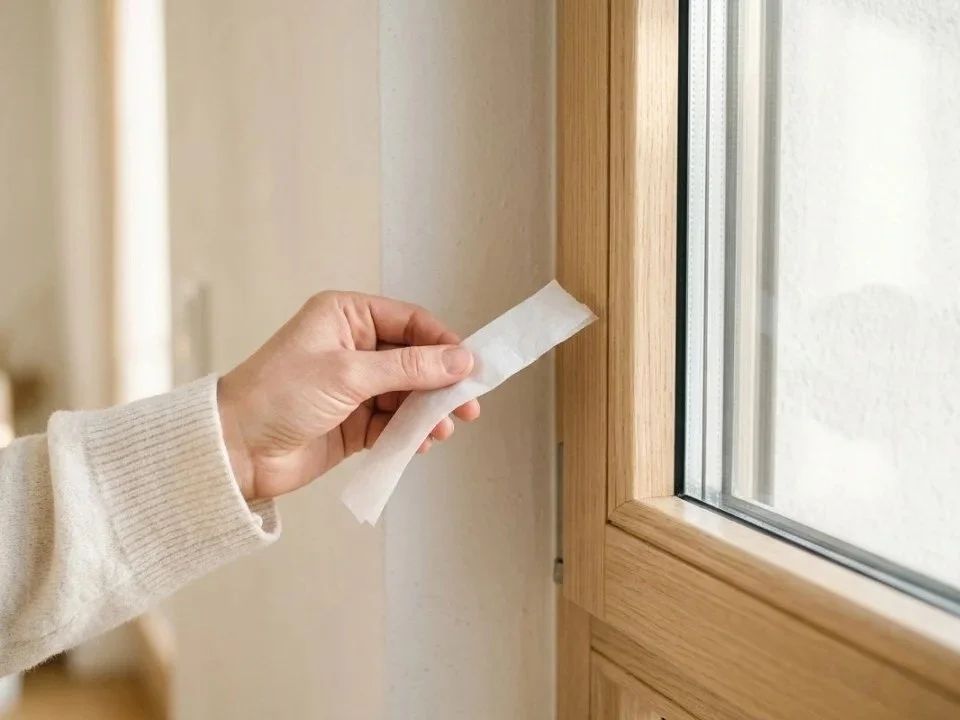
You can also use a piece of tissue or a thin strip of paper. Hold it near the edges of a closed window or door. If it moves, there may be a draught coming through the gap.
Pay particular attention to:
Gaps around window frames
The edges of opening windows
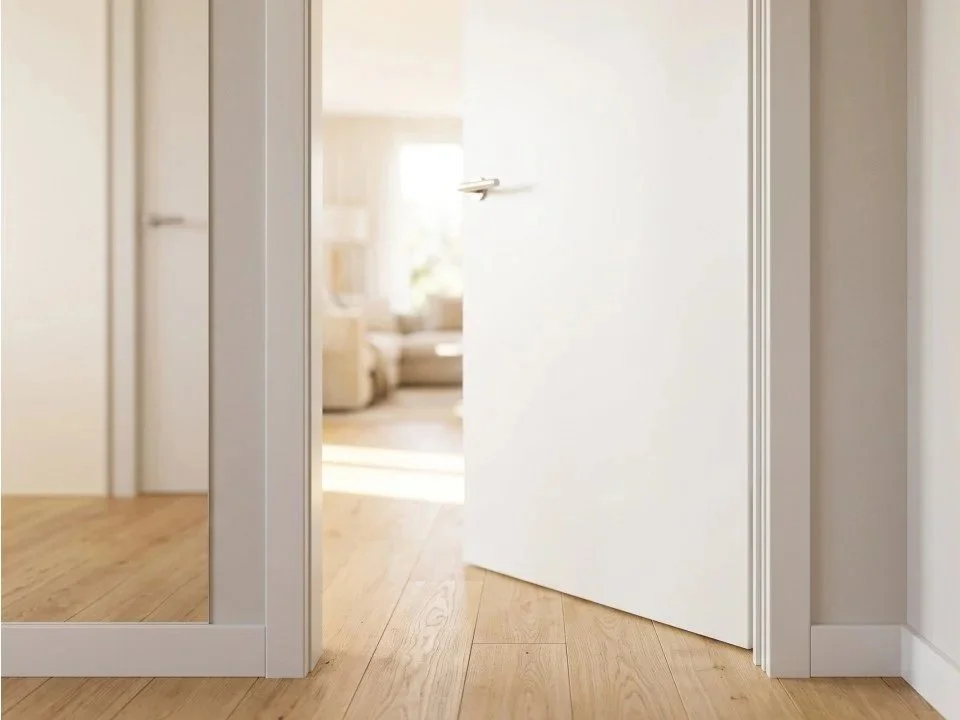
Gaps between a door and its frame
The space underneath external doors
Cracked or damaged seals
Letterboxes and other openings in external doors
Finding the exact source first will help you choose the right solution instead of simply adding seals wherever they seem necessary.
Choosing the Right Draught-Proofing Method
The best method depends on where the draught is coming from and how large the gap is. A flexible seal can work well around a window, while a larger gap underneath a door may need a different solution.
Window Seals and Strips
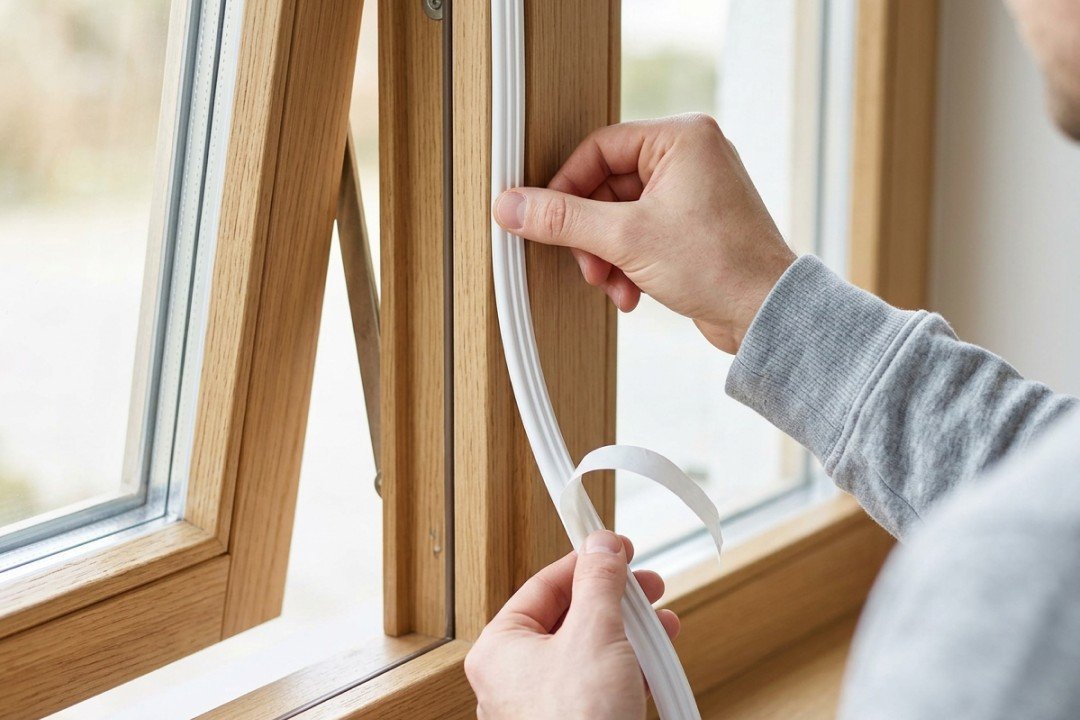
For draught proofing windows, adhesive foam, rubber or brush strips can be fitted around the opening section of the window. They help close small gaps while still allowing the window to open and close normally.
A window draught excluder can be useful when the problem is a noticeable gap around the window frame. However, the seal needs to be the correct size. If it is too thick, the window may become difficult to close, while a seal that is too thin may not close the gap properly.
Older windows may also have worn or damaged seals that need replacing rather than simply covering with another layer of material.
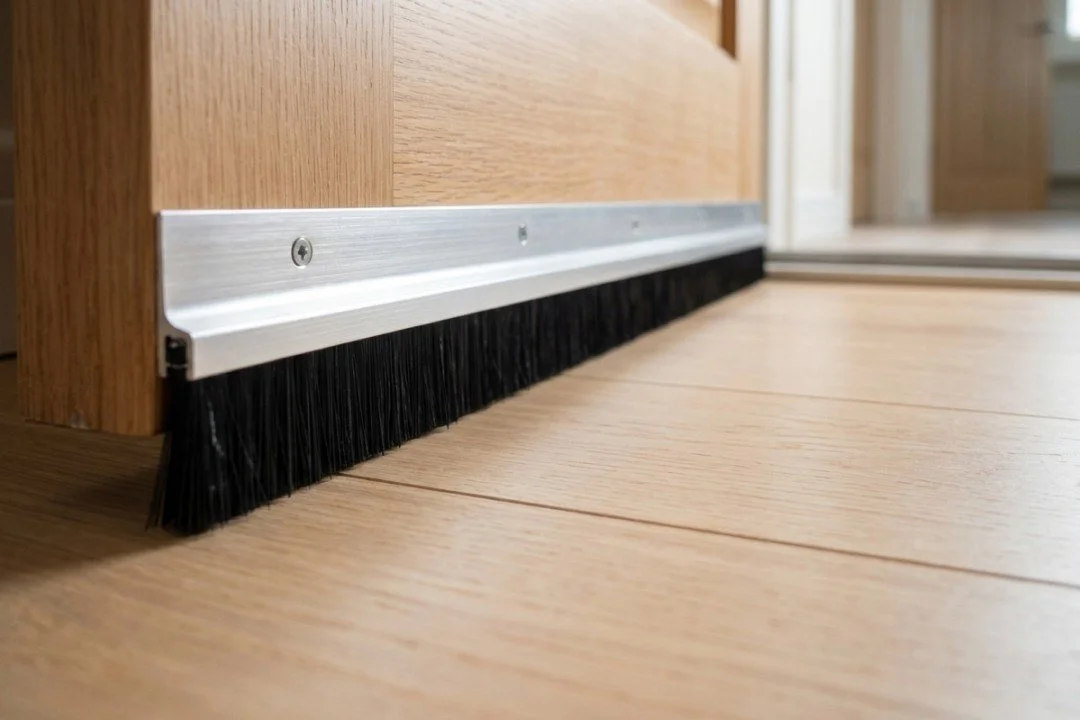
Door Seals and Bottom Excluders
Draught proofing doors often involves sealing both the sides and the bottom of the door.
For gaps around the frame, rubber, foam or brush seals can help block cold air. If the main problem is underneath the door, a door draught excluder or bottom seal may be more suitable.
For external doors, make sure the seal does not stop the door from closing properly. The right product should create a good seal without putting unnecessary pressure on the hinges or frame.
How to Measure Gaps Before Buying Seals
Measuring the gap first can save you from buying the wrong type or size of seal.
For windows, measure the length of each section where the seal will be fitted. Check the size of the gap when the window is closed, rather than measuring the frame alone.
For doors, measure the width of the door and check the gap around the sides and across the bottom. Gaps are not always the same size along the entire edge, so check several points if the problem is noticeable.
When choosing a seal, check the manufacturer's recommended gap size. A product designed for a small gap may not work well if the space is much larger.
It is also worth checking how the seal is fitted. Some products are adhesive, while others need to be screwed or clipped into position.
Where ventilation Must Be Kept Clear
Draught-proofing should reduce unwanted cold air movement, but it should not block ventilation that your home needs.
Do not seal ventilation grilles, air bricks or other purpose-built ventilation openings. These allow fresh air into the property and can be important for maintaining good airflow.
This is particularly important in rooms with fuel-burning appliances, where adequate ventilation may be required for safe operation.
If you are not sure whether an opening is there for ventilation or is simply an unwanted gap, it is better to check before sealing it.
How to Check the Result
Once the seals are fitted, close the windows and doors and check the same areas where you noticed draughts before.
You should notice less cold air coming through the gaps. The room may also feel more comfortable because less heated air is escaping.
If you can still feel a draught, check the seal itself. It may not be making full contact with the frame, or the gap may be too large for the material you have used.
You can repeat the tissue test to compare the area before and after the repair. If the tissue still moves significantly, there may be another source of the draught that needs attention.
When Windows or Doors Need Professional Repair
Draught-proofing is useful for small gaps and worn seals, but it cannot fix every window or door problem.
You may need professional help if you notice:
Damaged or rotten window frames
Cracked glass
Doors that no longer close properly
Large gaps around the frame
Warped or damaged doors
Broken locking mechanisms
Persistent draughts despite replacing the seals
In these cases, adding more sealant may only hide the problem temporarily. A professional can check whether the window or door needs adjustment, repair or replacement.

Does Draught-Proofing Replace Insulation?
No. Draught-proofing and insulation solve different problems, although they can work well together.
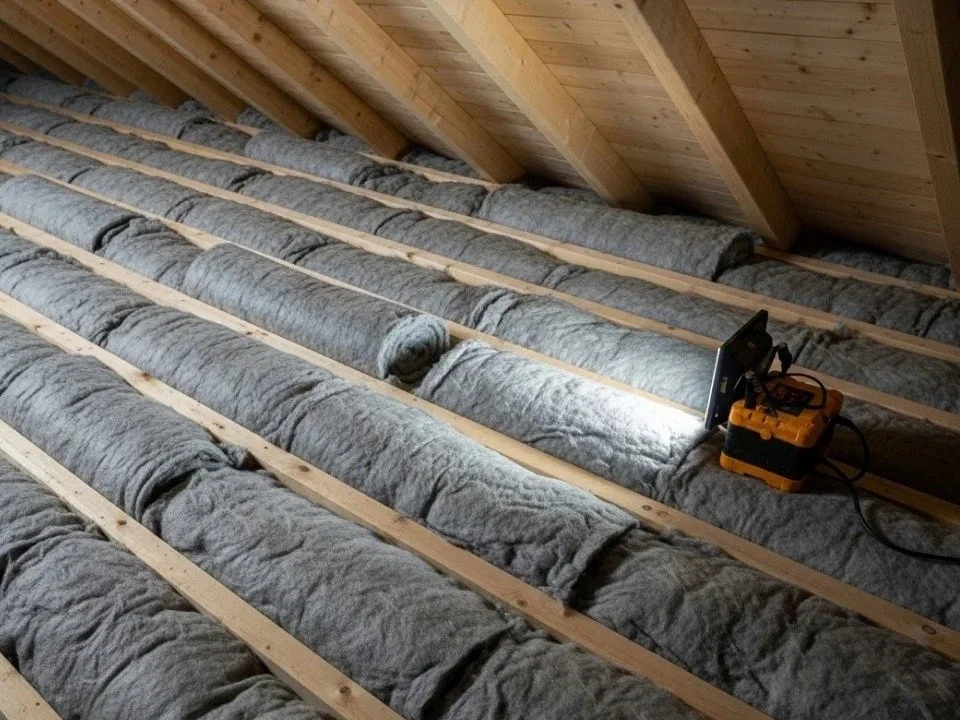
Draught-proofing reduces uncontrolled air movement through gaps around windows, doors and other openings. Insulation, on the other hand, helps slow down heat transfer through parts of the building such as walls, roofs and floors.
If your home feels cold, draught-proofing can be a useful first step, particularly around obvious gaps. However, it will not replace proper insulation where the building needs it.

Can You Draught-Proof a Rented Home?
In many rented homes, simple draught-proofing can be done without making major changes to the property. Removable or adhesive seals may be suitable if you have permission to use them and they can be removed without damaging the frame.
Before installing anything that requires drilling, cutting or permanent changes, check your tenancy agreement or ask your landlord.
If the problem is caused by damaged windows, doors or frames rather than a simple gap, it is usually better to report the issue to your landlord rather than trying to carry out a permanent repair yourself.
A few well-placed seals can make a home feel noticeably more comfortable, but the key is to find the source of the draught first. Once you know where cold air is getting in, choosing the right seal or repair becomes much easier.