How to Measure for a New Internal Door
Replacing an internal door sounds like a simple job until you start looking at the measurements. A few centimetres in the wrong place can mean a door that does not fit properly, so it is worth taking your time before ordering a replacement.
The good news is that you do not need complicated equipment to get accurate internal door measurements. With a tape measure, a pencil and a few minutes, you can get the information you need.
In this guide, we will explain how to measure for an internal door, what to measure and what to look out for before choosing a replacement internal door.

What parts of the doorway should you measure?
Before you start, it helps to know exactly what you are measuring. For most replacement doors, you will need to check:
The width of the door opening
The height of the door opening
The thickness of the existing door
The size and condition of the door frame
Which way the door opens
Do not rely on just one measurement. Walls and frames are not always perfectly straight, especially in older homes. Taking measurements in more than one place gives you a better idea of the actual size.
How to measure the width of a door opening
To measure the width, use a tape measure to measure from one side of the door opening to the other.
Take three measurements: near the top, in the middle and near the bottom. Write down all three rather than assuming they will be identical.
If the measurements are slightly different, use the smallest one when checking whether a door will fit. This gives you a safer measurement and leaves room for any adjustments that may be needed.
Make sure the tape measure is straight and level when taking each measurement. Even a small angle can affect the result.
How to measure the height of a door opening
For the height, measure from the floor to the top of the door opening.
Again, take the measurement in at least three places: on the left, in the centre and on the right. Note down each measurement and use the smallest one when working out the available space.
If the floor is uneven, this can make the measurements slightly different. This is particularly common in older properties, where floors and frames may have moved over time.
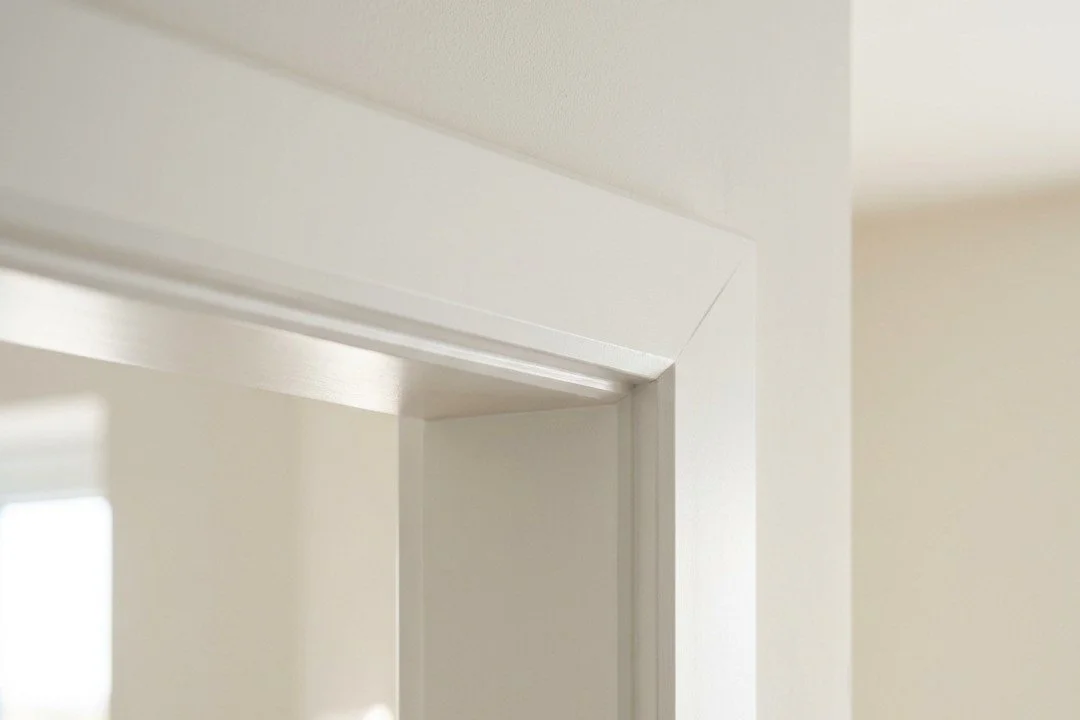
If you are keeping the existing frame, check its condition as well. A damaged or uneven frame may need attention before a new door can be fitted properly.
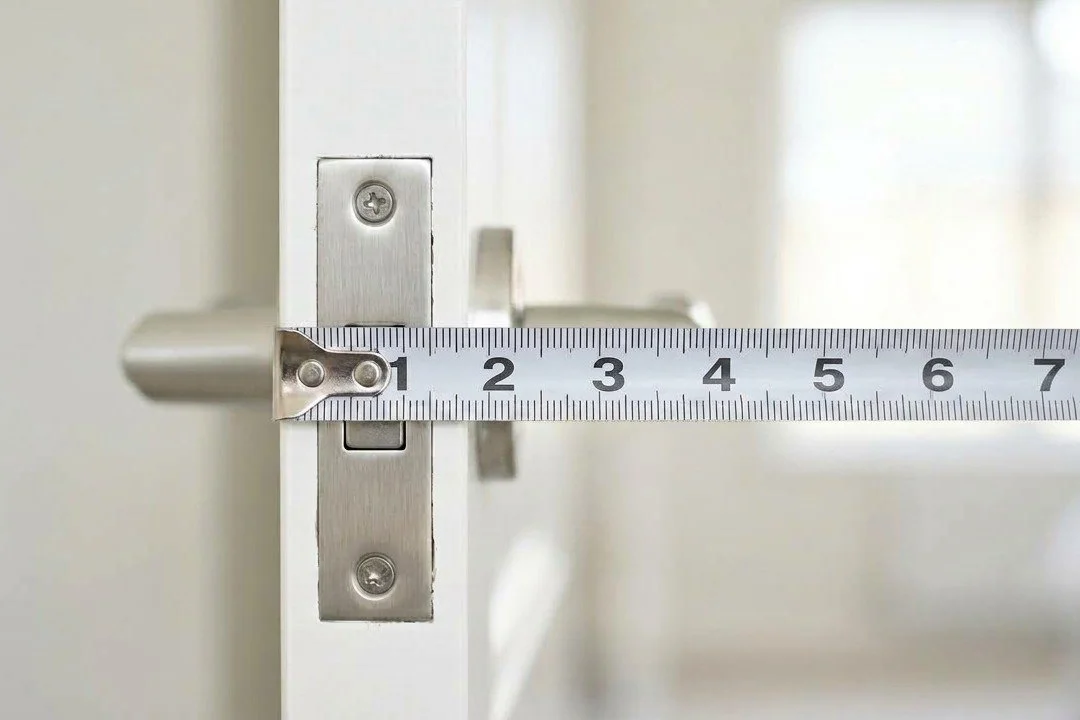
How to measure door thickness
Door thickness is easy to overlook, but it is an important part of your internal door measurements.
Measure across the edge of the existing door, rather than measuring the flat surface. If the door has a rebate or another shaped edge, make sure you understand how this affects the measurement.
The thickness can affect whether the existing hinges, handles and latch will work with a new door. If you are replacing the complete door set rather than just the door leaf, you will also need to check that the new frame is suitable.
Should you measure the door or the frame?
If you are replacing just the door, measuring the existing door can give you a useful starting point. However, it is also important to measure the opening and check the frame.
The old door may have been trimmed or altered over time, so its measurements do not always tell you the exact size of the opening.
For a replacement internal door, check both where possible. This gives you a clearer picture of the available space and helps you avoid ordering a door that is too large.
How to check which way the door should open
Before removing the old door, stand on the side where you normally pull it towards you.
Look at which side the hinges are on. This will help you determine whether you need a left-handed or right-handed door, depending on the door style and hardware you are buying.
It is also worth checking how much space there is around the doorway. A door may technically fit the opening but still clash with a wall, radiator, furniture or another door when opened.
Common door measuring mistakes
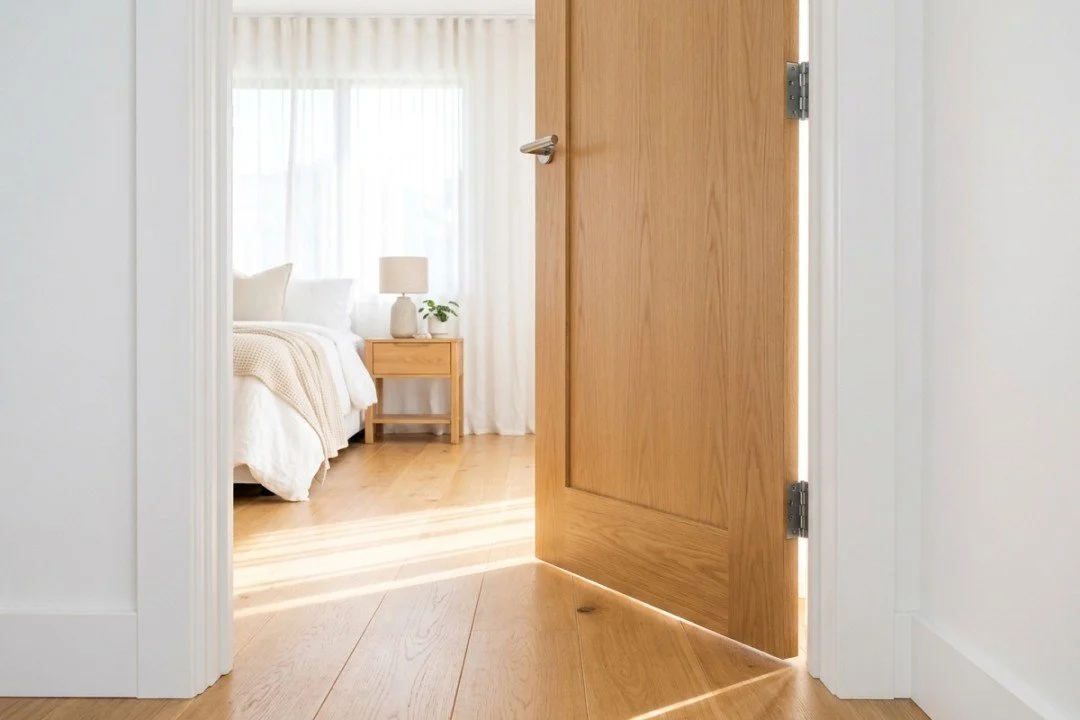
Measuring for a door is not difficult, but there are a few mistakes that can cause problems later.
Only measuring once: Walls and frames can be slightly uneven, so take measurements at different points.
Measuring the old door only: The existing door may have been trimmed or changed. Measure the opening as well.
Forgetting the thickness: A door can have the right height and width but still be unsuitable if the thickness is wrong.
Ignoring the frame: Check whether the existing frame is straight, secure and in good condition.
Rounding measurements: Write down the exact measurements you take. It is better to work from accurate figures than guess.
Forgetting about clearance: A new door needs enough space to open and close without catching on the floor or frame.
Are internal doors standard sizes?
Many internal doors are available in standard sizes, but there is no single size that will fit every home.
Door sizes can vary depending on the property, the age of the building and the type of door. Older homes can have openings that differ from modern standard sizes, so measuring your own doorway is still important.
If you are buying a replacement door, always compare your measurements with the manufacturer's door size guide before ordering.
How much smaller should a door be than the frame?
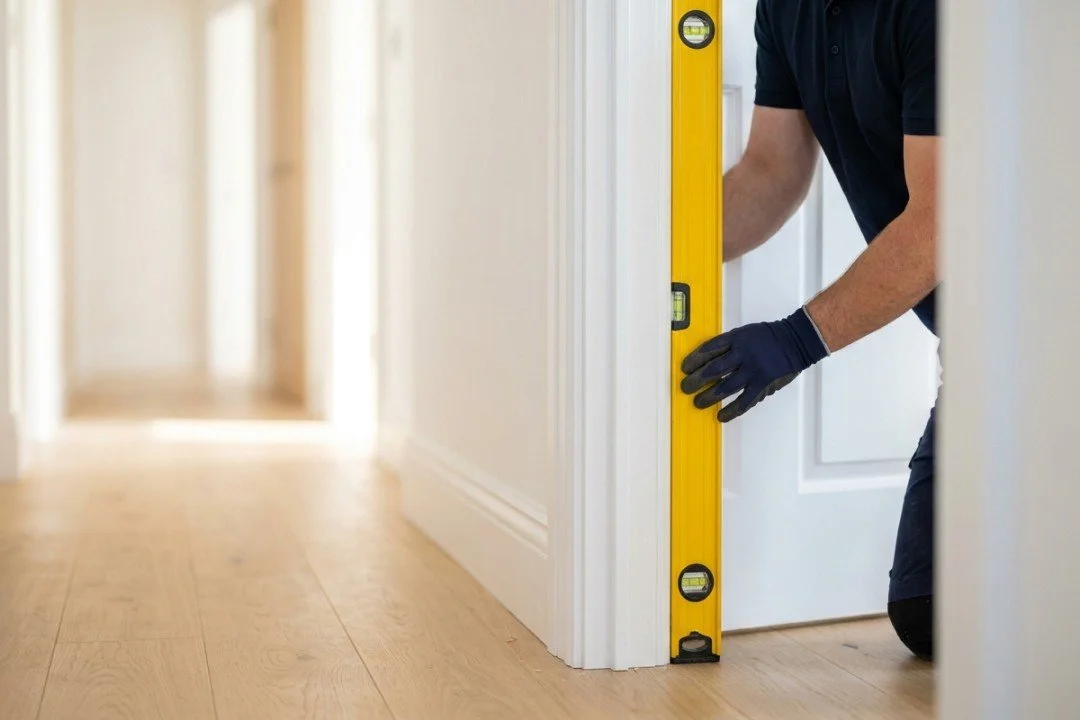
A door normally needs some clearance around its edges so that it can open and close without catching on the frame. However, the exact amount depends on the type of door, the frame and the manufacturer's recommendations.
Do not simply subtract a fixed amount from your opening measurement and assume it will work. Check the fitting instructions for the specific door you are buying.
If you are unsure, a professional door fitter can check the opening and advise you on the correct size before the door is ordered.
Should I measure the old door or the opening?
Ideally, measure both.
The old door tells you what size has previously been used, while the opening gives you a better idea of the actual space available. Comparing the two can also highlight problems such as an uneven frame or a door that has previously been trimmed.
Taking a few extra measurements before ordering can save you from buying the wrong replacement internal door and having to start again.
If you are still unsure about your measurements, getting help from a professional can make the process much easier. A door fitter can check the opening, confirm the measurements and install the new door for you.