How to Dispose of Old Furniture
Getting rid of an old wardrobe, sofa or dining table is not always as simple as putting it outside and hoping someone takes it. Furniture can be bulky, heavy and difficult to transport, and throwing it away is rarely the best option.
If you are wondering how to dispose of old furniture, there are several options to consider. You may be able to donate it, recycle parts of it, arrange a council collection or use a professional removal service.
The right option will depend on the condition of your furniture, where you live and how quickly you need it gone. Here is what you need to know before you start moving that old sofa towards the front door.
How to Measure a Room for Laminate Flooring
Kitchen Fitting: What to Expect and How to Prepare
How to Mount a TV on the Wall: Plasterboard and Brick Explained

Can old furniture be recycled?
Yes, many types of furniture can be recycled, although it depends on the materials and condition.
Wooden furniture is often one of the easiest types to recycle. Metal frames, glass, certain plastics and some upholstery materials can also be separated and processed. Even when the whole item cannot be recycled, individual parts may be reusable.
Before deciding to throw something away, check whether it can be repaired, reused, donated or taken apart for recycling. This can reduce the amount of waste going to landfill and give some of the materials a second life.
If you are looking to recycle old furniture, your local recycling centre is a good place to start. Some centres have specific areas for bulky household items, so check the rules before making the journey.
Where can you donate unwanted furniture?
If your furniture is still in reasonable condition, donating it can be a much better option than throwing it away.
Charities, community organisations and furniture reuse schemes may accept items such as:
Sofas and armchairs
Beds and mattresses
Tables and chairs
Wardrobes and chests of drawers
Shelving units
Desks
Some charities also offer collection services for larger pieces, which can be particularly useful if you do not have a suitable vehicle.
Before arranging a collection, check whether the organisation accepts your particular item. Furniture may need to be clean, safe and in a suitable condition for someone else to use.
You can also give furniture away through local community groups or online marketplaces. A piece that no longer works for you may be exactly what someone else is looking for.
Can your local council collect old furniture?
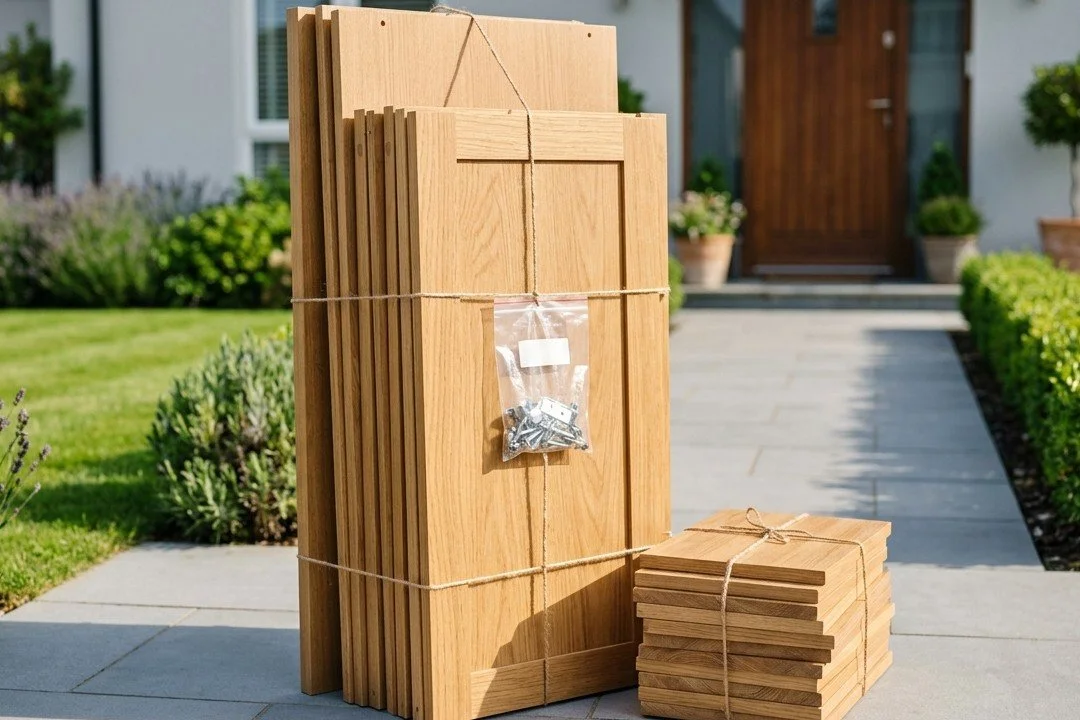
Your local council may offer a bulky waste collection service for large household items. This is one of the most straightforward options for furniture disposal UK households can consider.
The service varies between councils. Some charge a fee, while others may offer free collections for certain items. There may also be limits on the number or type of items they will collect.
You will usually need to book the collection in advance and follow instructions about where to leave the furniture. Some councils may ask you to place the item outside your property or at a designated collection point.
It is worth checking your council website before moving anything outdoors. Rules, prices and collection times can differ considerably from one area to another.
How to take furniture to a recycling centre
Taking your old furniture to a recycling centre yourself can be a good option if you have access to a suitable vehicle and someone to help you move heavy items.
First, check whether your local recycling centre accepts the type of furniture you want to dispose of. Some sites have restrictions on certain materials or require residents to book a slot.
If possible, dismantle larger furniture before transporting it. Removing legs, shelves or doors can make bulky items easier to handle and may give you more space in the vehicle.
Always think about safety when loading furniture. Secure everything properly so it cannot move around during the journey, and do not attempt to lift particularly heavy items on your own.
If you do not have a suitable vehicle or cannot safely move the furniture, another option may be more practical.
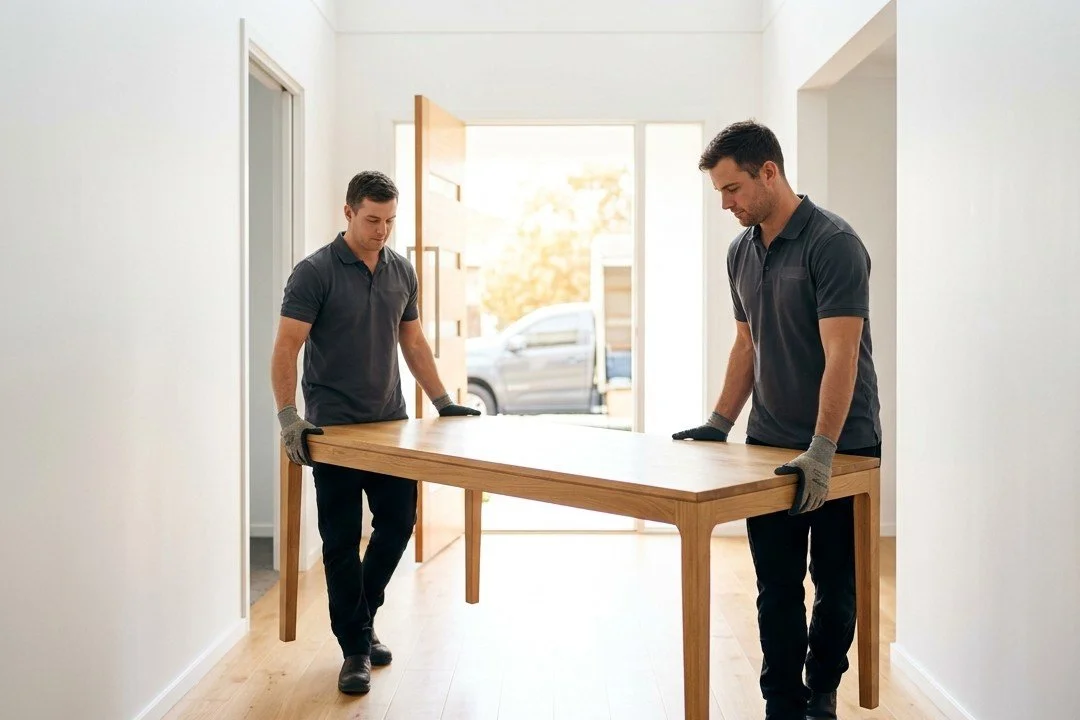
What to do with damaged furniture
Not all unwanted furniture can be donated or reused. If an item is badly broken, stained, damaged by water or otherwise unsafe, recycling or professional disposal may be the better choice.
However, damaged does not always mean unusable. A wobbly table might only need a repair, while an old wooden cabinet could potentially be sanded and refurbished.
For furniture that is beyond repair, check which materials can be recycled before sending everything to general waste. Removing recyclable components can help reduce the amount that ends up in landfill.
If the furniture contains materials that require special handling, such as certain types of upholstery or treated wood, follow the guidance provided by your local authority or waste facility.
How to prepare furniture for collection
Once you have arranged a collection, a little preparation can make the process much easier.
Remove personal belongings from drawers, cupboards and underneath cushions. If possible, take off removable shelves, legs or other loose parts.
For upholstered furniture, give it a basic clean and make sure it is dry. If you are donating the item, check the organisation requirements carefully, as some charities cannot accept furniture with certain types of stains or damage.
Keep screws and small parts together if you dismantle anything. A small labelled bag can save a lot of frustration later if the furniture needs to be reassembled.
Finally, make sure there is a clear route from the furniture to the collection point. Moving a large wardrobe through a narrow hallway is difficult enough without having to work around boxes and other household items.
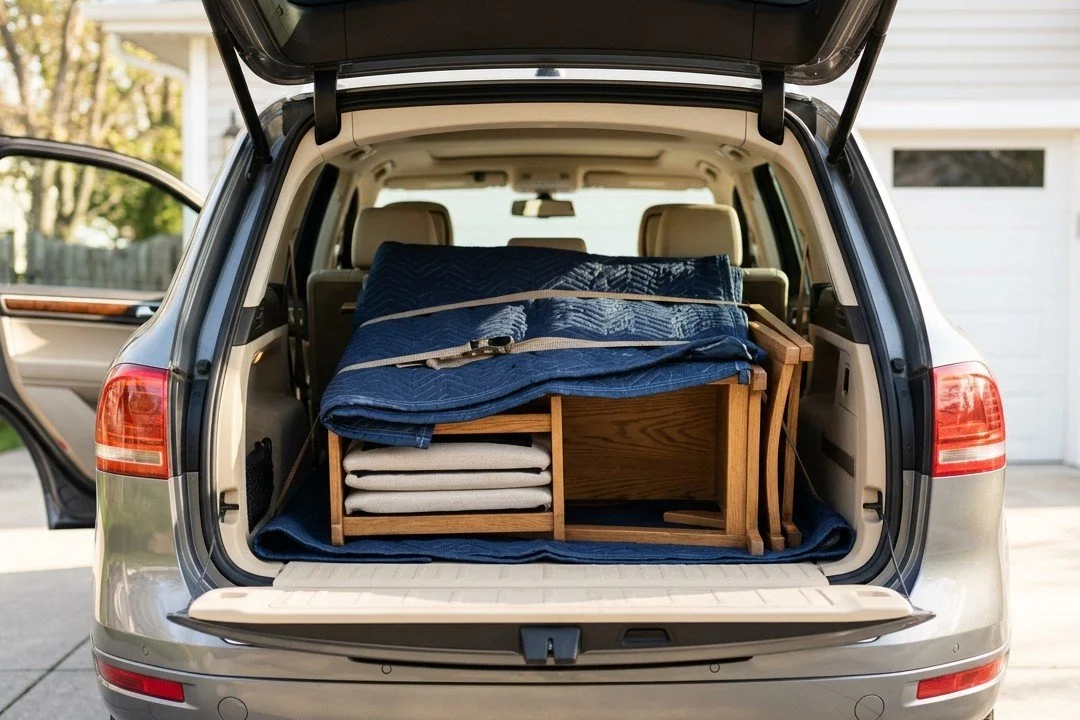
When to use a furniture removal service
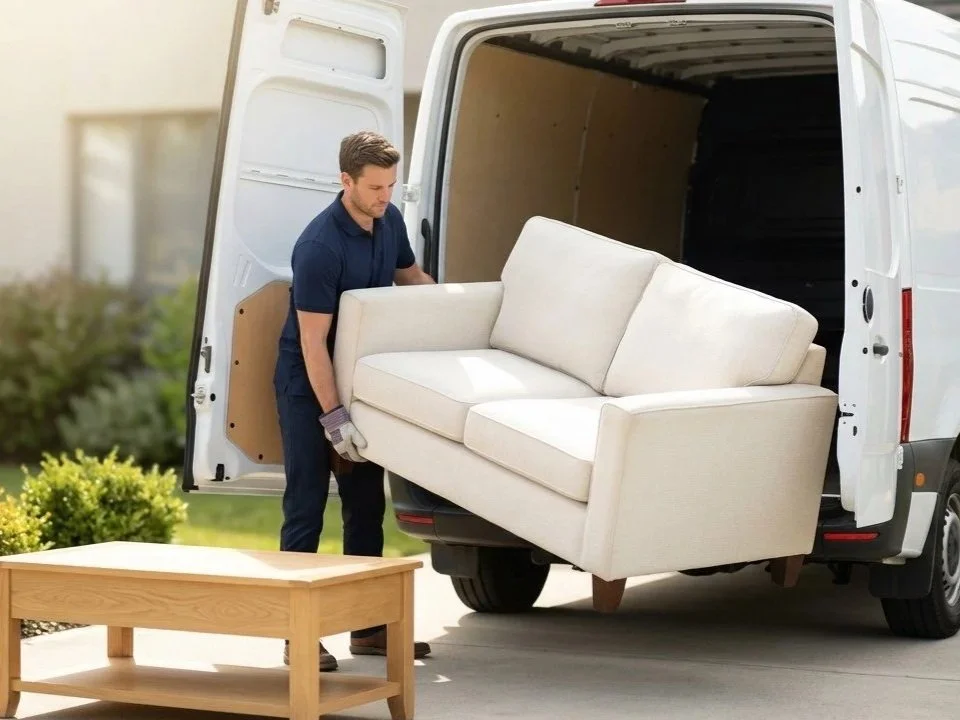
Sometimes the easiest way to get rid of old furniture is to ask someone else to do the heavy lifting.
A professional furniture removal service can be particularly useful if you have several large items, are moving house or do not have access to a suitable vehicle. It can also help if you live in a flat, have narrow stairs or simply cannot safely carry heavy furniture yourself.
A removal service may be able to collect the furniture directly from inside your home and take it to an appropriate disposal, recycling or reuse facility.
When choosing a service, check what happens to the furniture after collection. A responsible provider should be able to explain whether items are donated, reused, recycled or disposed of as waste.
For larger clear-outs, professional unwanted furniture removal can save considerable time and effort.
Can I leave old furniture outside for collection?
You should not simply leave old furniture on the pavement or outside your property without checking the local rules first.
If your council has arranged a bulky waste collection, they will usually tell you exactly where and when the furniture should be placed. Leaving items outside too early can create an obstruction, attract unwanted attention or result in the furniture being treated as dumped waste.
The same applies if you are giving furniture away. Agree on a collection time before putting the item outside.
If you are unsure, check with your local council or collection provider before leaving anything outdoors.
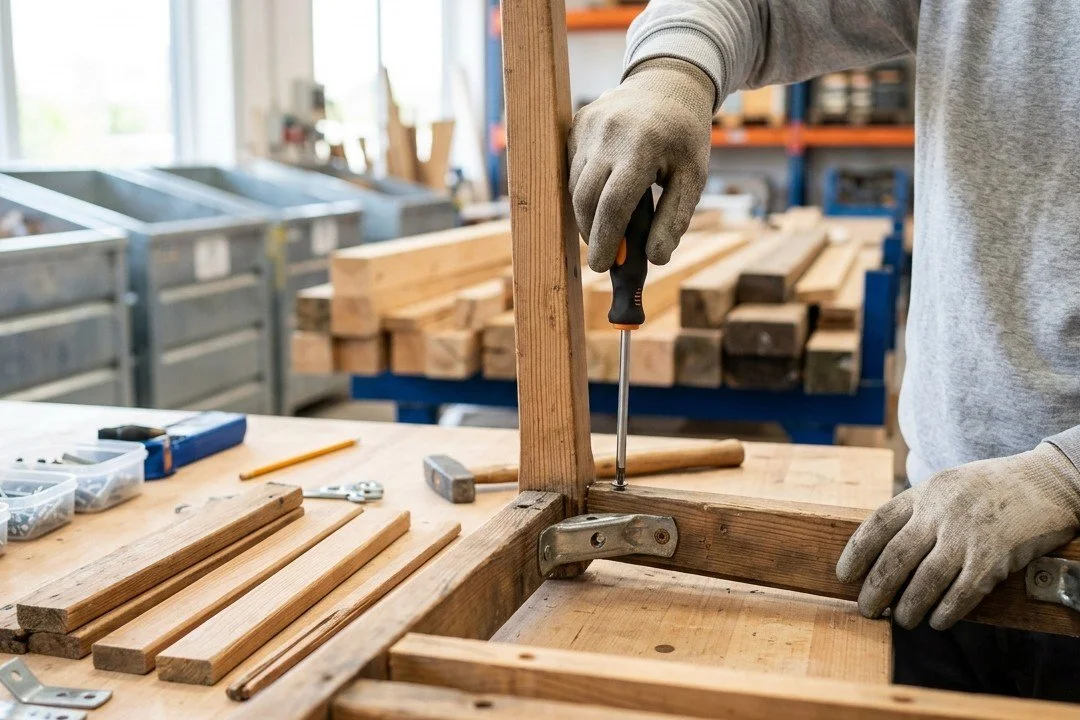
Can sofas be recycled?
Sofas can be recycled, but the process is more complicated than recycling a simple wooden item.
A sofa usually contains a mixture of materials, including fabric, foam, wood, metal and sometimes plastic. These materials need to be separated before they can be processed or reused.
If your sofa is still in good condition, donating or reusing it is usually preferable to throwing it away. If it is damaged beyond reuse, check whether your local recycling centre or bulky waste service accepts sofas.
It is also important to remember that sofas can be extremely heavy and awkward to move. If you cannot safely transport one yourself, arranging a collection may be the simplest solution.
How do I get rid of furniture that cannot be reused?
When furniture is too damaged to donate or reuse, you still have several options.
Start by checking your local council's bulky waste service and recycling centre. Depending on the item, you may also be able to arrange collection through a specialist waste or furniture removal company.
If you are using a private removal service, ask where the furniture will go before booking. A company that sorts items for recycling and reuse can be a better choice than one that sends everything straight to landfill.
The most suitable option will depend on the size and condition of the furniture, how much you have to dispose of and whether you have the means to transport it yourself.
A better way to clear out old furniture
Getting rid of old furniture does not necessarily mean throwing it away. Before putting something in the bin, consider whether it could be repaired, donated, reused or recycled.
If it cannot be reused, make sure you choose a disposal method that follows local rules and handles the furniture responsibly. And if moving heavy or bulky items is the main problem, a professional collection service can take care of the hard part for you.