New Home Snagging Checklist: What to Check After Moving In
Moving into a new home is exciting, but it is also one of those moments where small issues can easily go unnoticed until they become expensive problems. A solid new home snagging checklist helps you spot defects early, stay organised, and make sure your new space is truly ready for living.
This guide walks through a practical snagging checklist, covering everything from structural details to plumbing and electrics, so you know exactly what to check after moving in.
How to Create a Home Repair To-Do List Before Hiring a Handyman

What Is a Snagging Checklist?
A snagging checklist (also called a new build snagging checklist) is a detailed list of items used to identify defects or unfinished work in a property. These issues are often referred to as new home defects or “snags”.
A typical house snagging list is used either just before or shortly after moving in, and it helps ensure that builders or developers correct problems before they become your responsibility.
In simple terms, a home inspection checklist is your way of making sure everything in the property is completed to a proper standard.
What Should You Check When Moving Into a New Home?
When using a new house checklist or moving in checklist, it is important to be systematic. Go room by room and avoid rushing.
Key areas to focus on include:
Walls, ceilings, and paint finishes
Floors and skirting boards
Doors, locks, and handles
Windows and seals
Plumbing fixtures and drainage
Heating systems and thermostats
Electrical sockets, switches, and lighting
Taking your time here helps you identify things to check when moving house before settling in fully.
Common New Home Defects to Look For
Even brand-new properties can have issues. Some of the most common new home defects include:
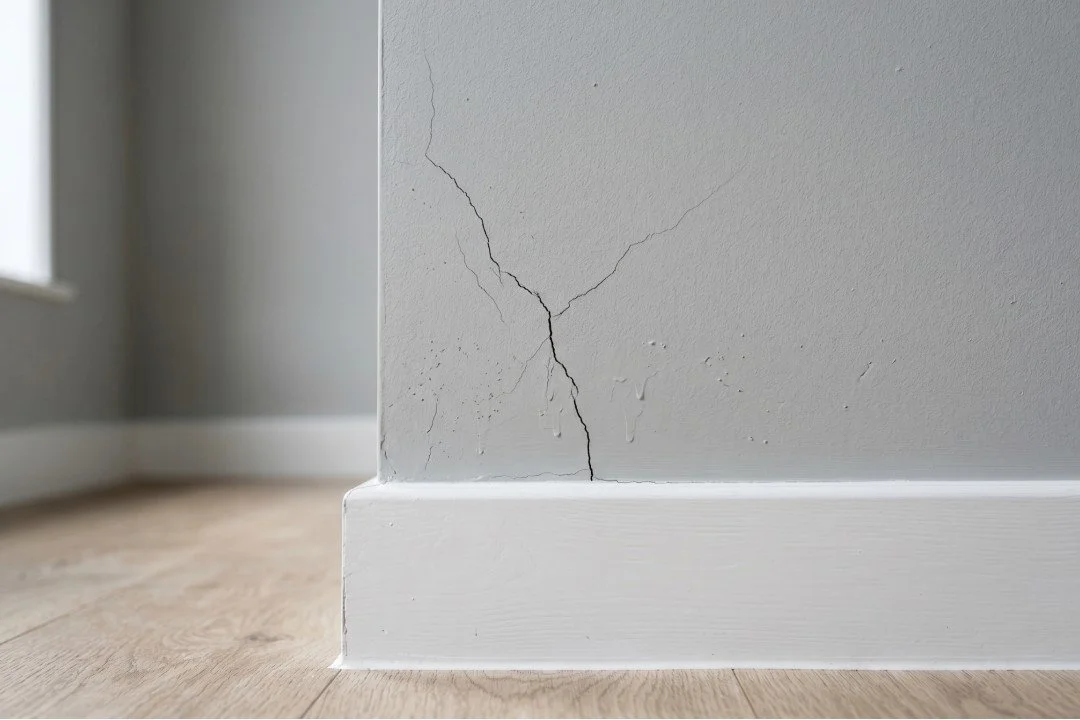
Cracked plaster or uneven paint finishes
Poorly fitted doors or windows
Scratched flooring or uneven tiles
Leaking taps or poorly sealed sinks
Faulty light switches or sockets
Heating systems not working properly
Gaps in insulation or poor sealing around windows
These are exactly the types of issues a good new home snagging checklist is designed to catch early.
How to Check Walls, Floors, Doors and Windows
Start with the visible finishes, as these are often where snags are easiest to spot.
For walls, look for cracks, dents, uneven paint, or signs of damp. Run your hand lightly along surfaces to feel for imperfections.
For floors, check for scratches, gaps between flooring panels, or uneven tiles. Walk around barefoot where possible to feel inconsistencies.
For doors, test every one. They should open and close smoothly without sticking. Check handles, locks, and alignment.
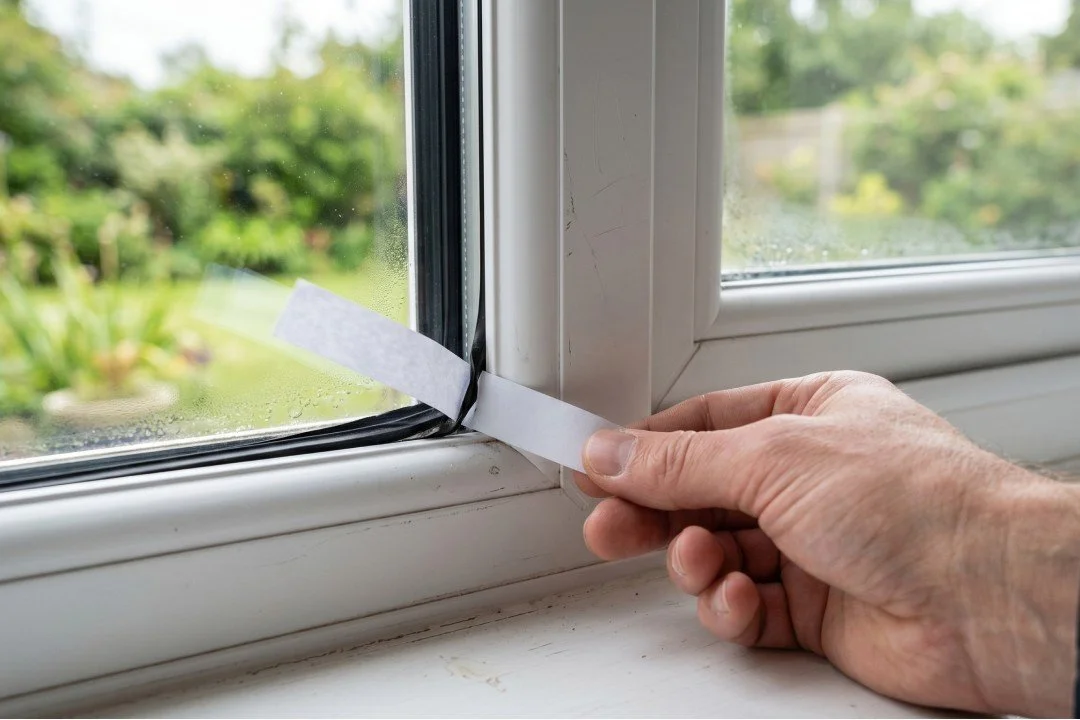
For windows, ensure they open fully, lock securely, and seal properly. Look for condensation between panes or draughts around edges.
This part of your home inspection checklist is all about detail and patience.
How to Check Plumbing, Heating and Electrics
These systems are essential to everyday comfort, so they should be tested thoroughly.
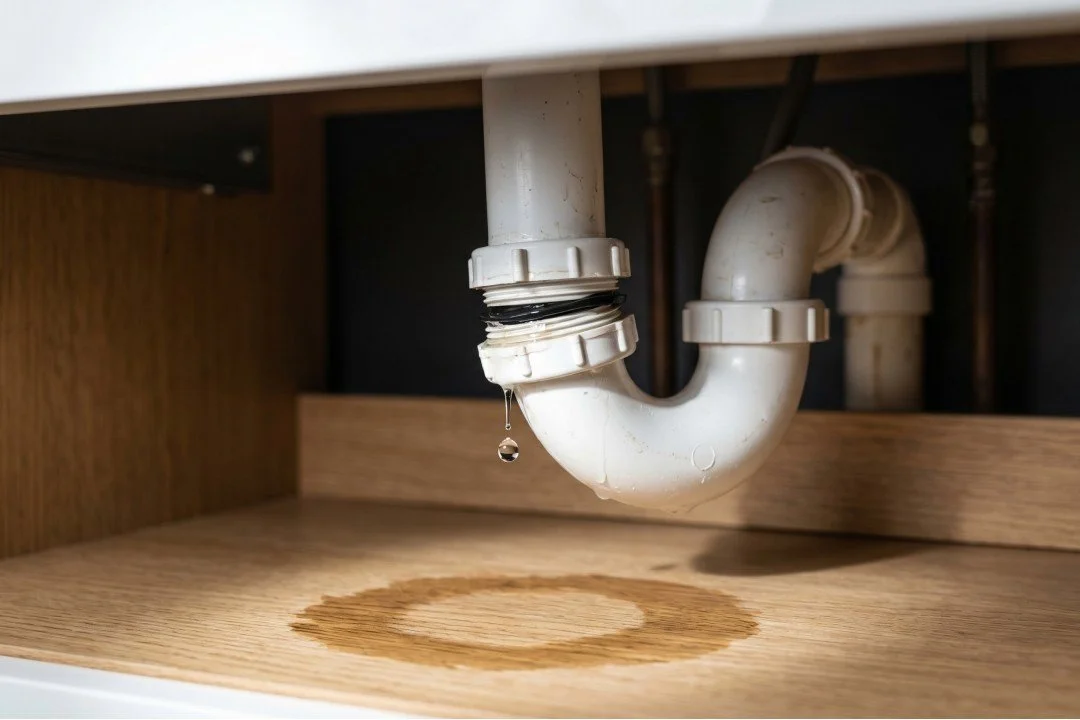
For plumbing, turn on all taps and showers. Check water pressure, temperature consistency, and drainage speed. Look under sinks for any leaks.
For heating, test radiators and thermostats. Make sure every room heats evenly and responds correctly to adjustments.
For electrics, test every socket and light switch. Plug in a small appliance to confirm power. Check that fuse boards are clearly labelled and accessible.
These steps help ensure your new home repairs are addressed early rather than becoming ongoing frustrations.
Should You Fix Snags Yourself or Hire a Professional?
Some minor issues, such as small paint touch-ups or loose screws, can be handled yourself if you are comfortable doing so.
However, more serious problems like electrical faults, plumbing leaks, or structural cracks should always be handled by qualified professionals.
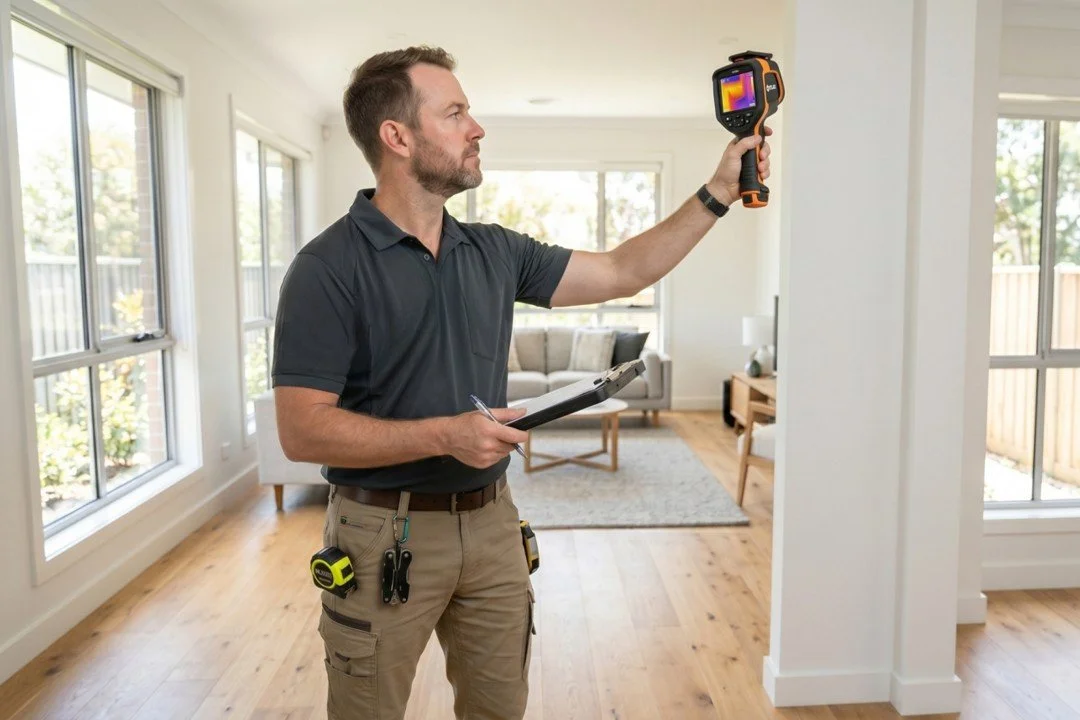
If your snagging checklist reveals multiple or complex issues, it may be worth hiring a professional snagging inspector. They are trained to identify problems that are easy to miss.
The goal is not just convenience, but ensuring your home is safe, efficient, and properly finished.
Find Help for New Home Repairs on HomeRun
If your new build snagging checklist reveals more issues than expected, getting reliable help quickly makes all the difference.
You can find trusted professionals for new home repairs through Homerun, which connects homeowners with experienced tradespeople who can resolve snags efficiently and professionally.
Whether it is plumbing, electrics, or general repairs, having the right support ensures your home feels finished and comfortable much sooner.
A well-prepared new home snagging checklist is one of the most valuable tools you can use after moving in. It helps you take control, avoid future costs, and ensure your new home is everything it should be from day one.