What Repairs Should Tenants Report to Their Landlord?
Renting a home comes with responsibilities for both tenants and landlords. While tenants are expected to look after the property and report issues when they arise, landlords have a legal duty to ensure the home remains safe and habitable. Understanding the difference between tenant repair responsibilities and landlord repairs can help avoid disputes and ensure problems are fixed before they become more serious.
Many renters are unsure about which rental property repairs should be reported and which issues they should deal with themselves. In this guide, we will explain the most common repairs tenants should report, what counts as an emergency, and how to communicate repair issues effectively.
New Home Snagging Checklist: What to Check After Moving In
How to Create a Home Repair To-Do List Before Hiring a Handyman

What Repairs Should Tenants Report to Their Landlord?
As a general rule, tenants should report any issue that affects the safety, structure, or functionality of the property. Even minor problems can become larger and more expensive if left unattended.
Some of the most common repairs tenants should report include:
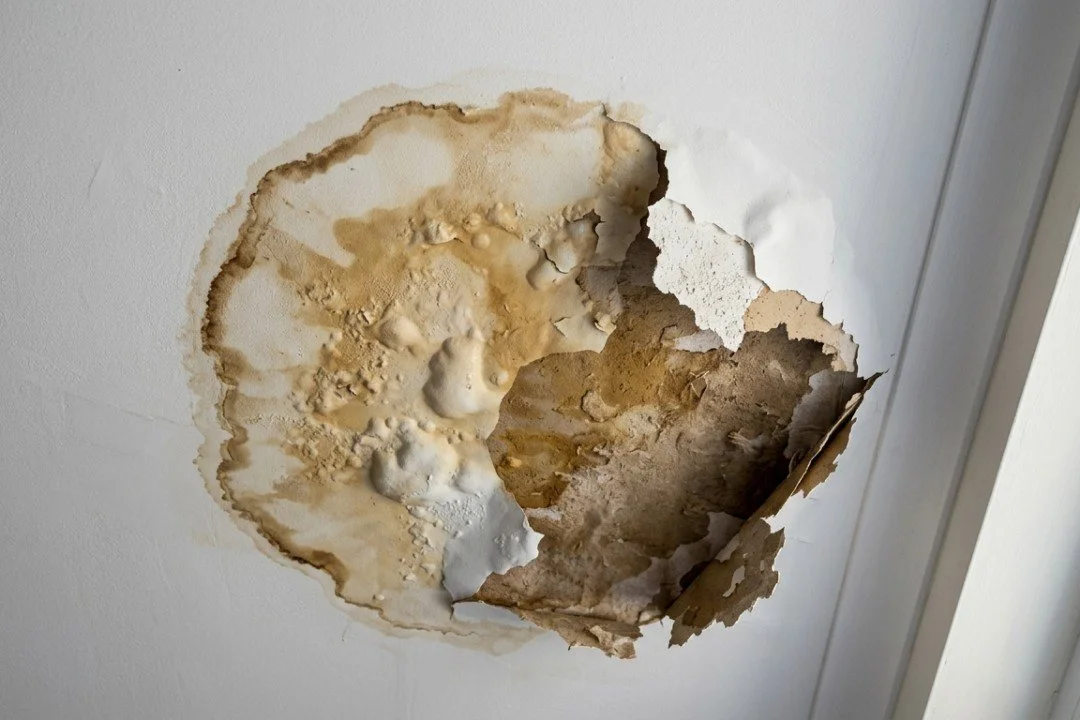
Leaking pipes or water damage
Broken boilers or heating systems
Faulty electrical wiring or sockets
Damaged roofs or gutters
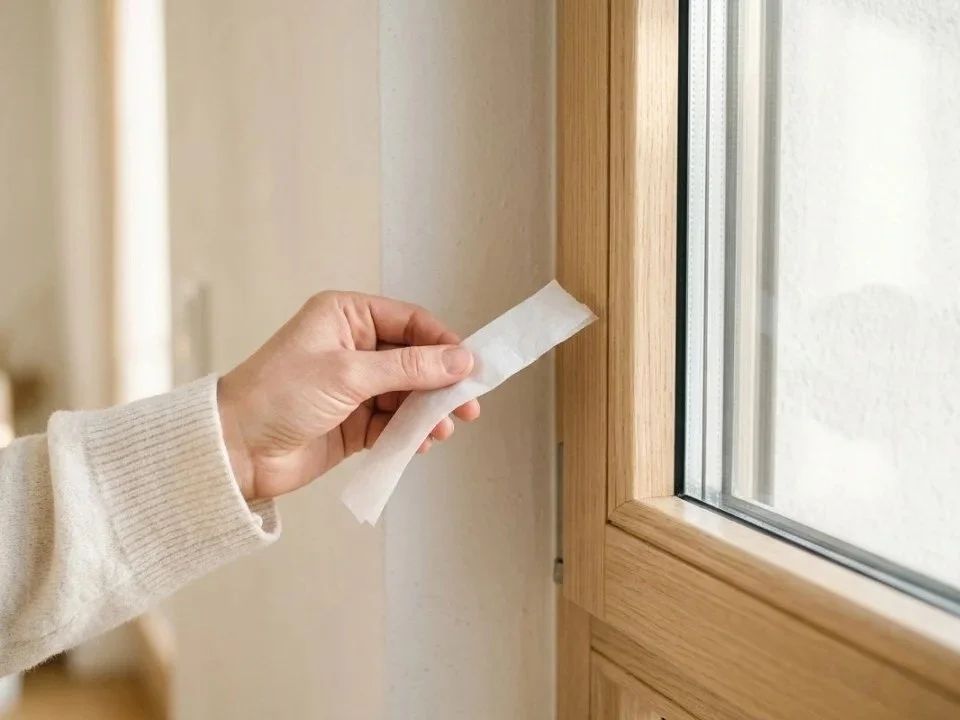
Broken windows caused by wear and tear
Damp, mould, or condensation issues
Faulty locks on doors and windows
Problems with plumbing or drainage
Structural cracks or damage to walls and ceilings
Pest infestations that are not caused by tenant behaviour
Reporting issues quickly allows landlords to arrange repairs before they worsen. Delaying repairs can sometimes lead to additional damage and may even affect a tenant's rights if the issue becomes more serious over time.
Which Repairs Are Usually the Landlord’s Responsibility?
In most cases, landlord maintenance responsibilities cover repairs that affect the structure, safety, and essential services within a property.
Typical landlord repairs include:
Maintaining the roof, walls, foundations, and external structure
Repairing plumbing systems, water pipes, and drains
Fixing boilers, radiators, and heating systems
Ensuring gas appliances are safe and working correctly
Repairing electrical installations and wiring
Addressing damp and mould caused by structural issues
Repairing damaged doors, windows, and locks through normal wear and tear
Maintaining communal areas in blocks of flats
These obligations are designed to protect tenants and ensure homes remain safe and fit for occupation. Understanding tenant rights repairs UK can help renters know when a landlord is legally required to take action.
If a repair falls within the landlord's responsibilities, tenants should always report repairs to landlord as soon as possible and keep a record of all communications.
Which Repairs Are Usually the Tenant’s Responsibility?
While landlords handle major repairs, tenants are expected to take reasonable care of the property during their tenancy.
Common tenant repair responsibilities include:
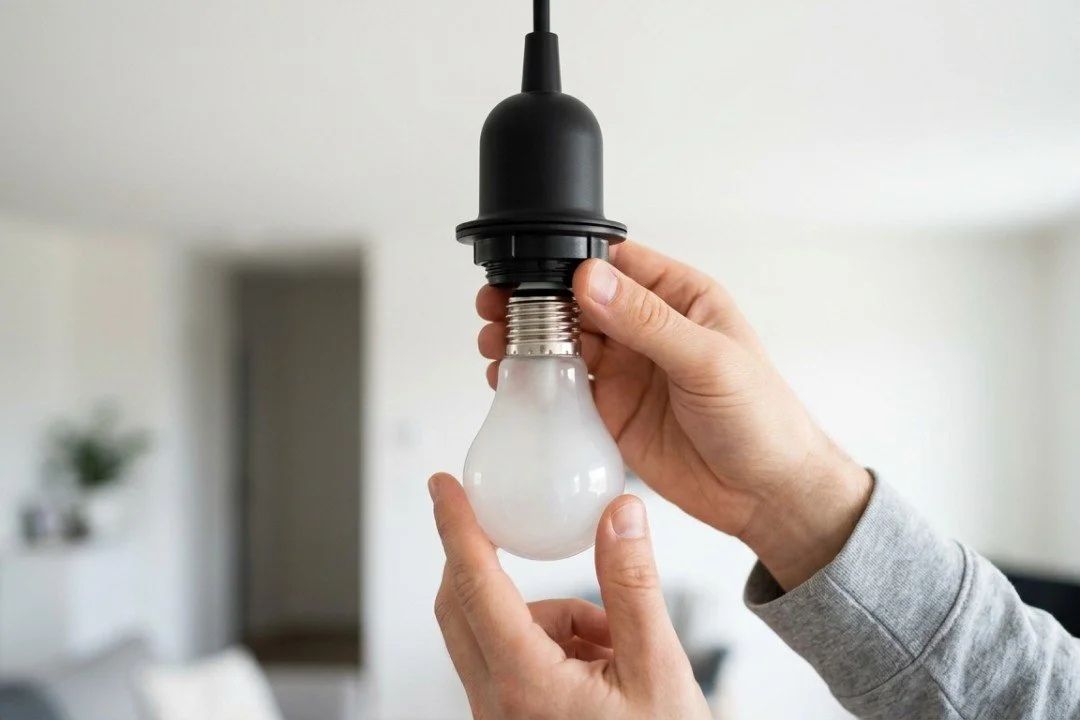
Replacing light bulbs
Changing batteries in smoke alarms where required by the tenancy agreement
Keeping the property clean and well ventilated
Unblocking sinks or drains caused by misuse
Maintaining gardens if this is specified in the tenancy agreement
Repairing damage caused by the tenant, household members, or visitors
For example, if a tenant accidentally breaks a window or damages a door, they will usually be responsible for the repair costs. Likewise, neglecting routine maintenance that leads to damage may also become the tenant's responsibility.
Knowing the difference between rented house repairs that fall under tenant obligations and those that belong to the landlord can prevent misunderstandings later.
What Counts as an Urgent Repair in a Rented Home?
Some problems require immediate attention because they pose a risk to health, safety, or the security of the property. These are often referred to as urgent repairs in rented property.
Examples include:
Complete loss of heating during winter
No access to hot water
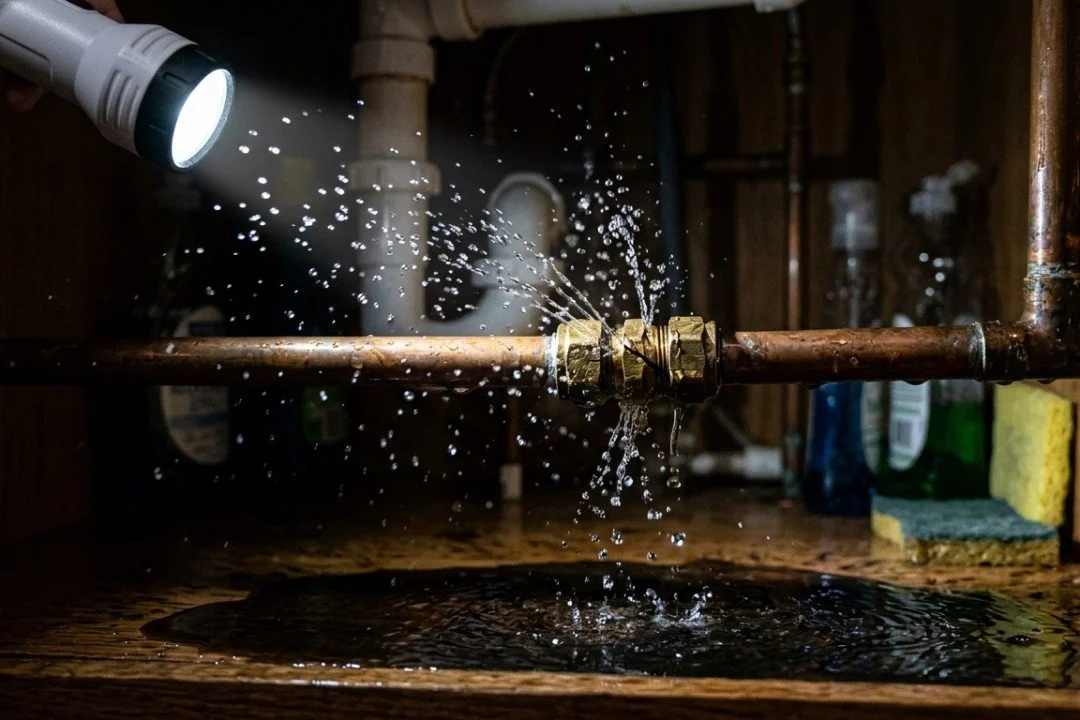
Serious water leaks or flooding
Electrical faults creating a fire risk
Gas leaks
Broken external doors or locks affecting security
Dangerous structural damage
Severe roof leaks
Blocked toilets where no alternative toilet is available
These situations may be considered emergency repairs rental property issues and should be reported immediately. Landlords are generally expected to respond much more quickly to emergencies than to routine maintenance requests.
If there is an immediate danger to life or property, tenants should contact the relevant emergency services or utility provider before informing the landlord.
How Should Tenants Report Repairs?
Knowing how to properly report repairs to landlord can help ensure issues are dealt with efficiently.
A good approach includes:
Reporting the issue as soon as it is noticed.
Providing a clear description of the problem.
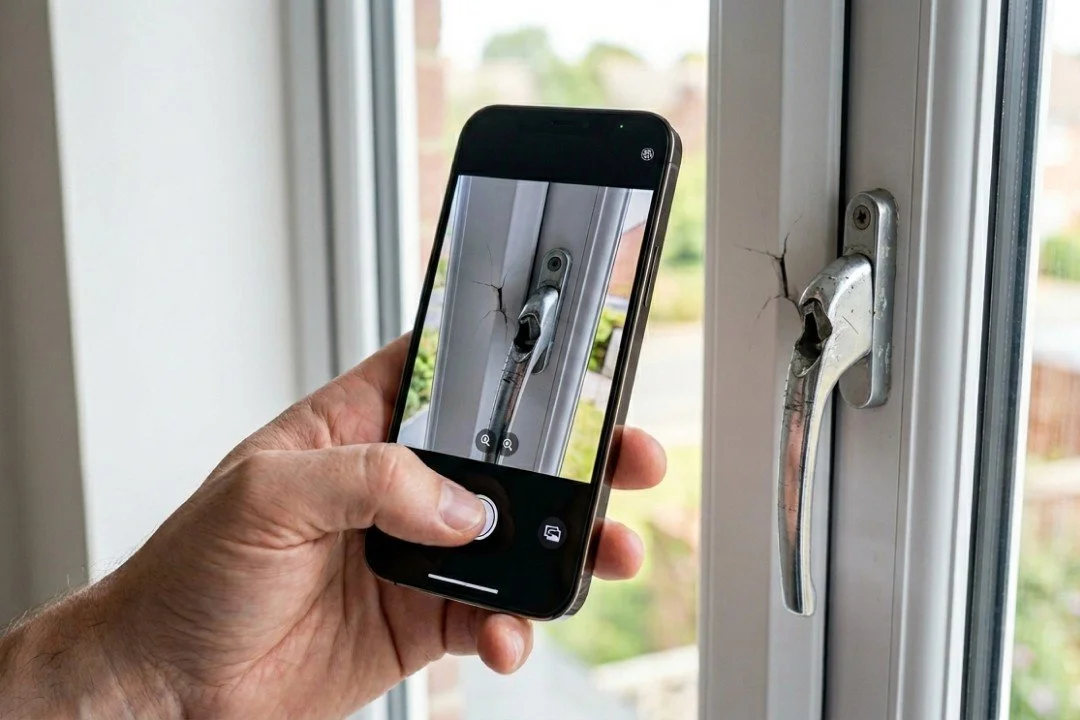
Including photographs or videos where possible.
Stating when the problem first occurred.
Keeping copies of emails, messages, and correspondence.
Following up if no response is received within a reasonable timeframe.
Written communication is often best because it creates a record that can be referred to later if necessary. This can be particularly important when dealing with larger rental property repairs or disputes regarding repair responsibilities.
Can Tenants Arrange Small Repairs Themselves?
In some situations, tenants may choose to handle minor repairs themselves. Tasks such as replacing light bulbs, tightening loose cupboard handles, or carrying out basic maintenance are often straightforward and inexpensive.
However, tenants should avoid arranging major repairs without first consulting their landlord. Unauthorised work on plumbing, electrical systems, heating systems, or structural elements could create additional problems and may affect liability for future repairs.
If a small repair is required urgently and the landlord cannot be contacted, tenants should check their tenancy agreement before proceeding. Keeping receipts and documenting the issue can also be helpful.
When in doubt, it is always safest to notify the landlord first and seek permission before organising any repair work.
Find Help for Small Home Repairs on HomeRun
Whether you are dealing with a dripping tap, damaged furniture, loose fixtures, or other minor maintenance tasks, finding a reliable professional can save time and reduce stress.
While landlords are responsible for many major rented house repairs, there are occasions when tenants may need assistance with smaller maintenance jobs that fall under their own responsibilities. HomeRun makes it easy to connect with trusted local tradespeople who can help with a wide range of household repair and maintenance tasks.
By understanding the difference between tenant repair responsibilities and landlord maintenance responsibilities, tenants can ensure problems are reported correctly, repairs are completed promptly, and rental homes remain safe and comfortable places to live.